
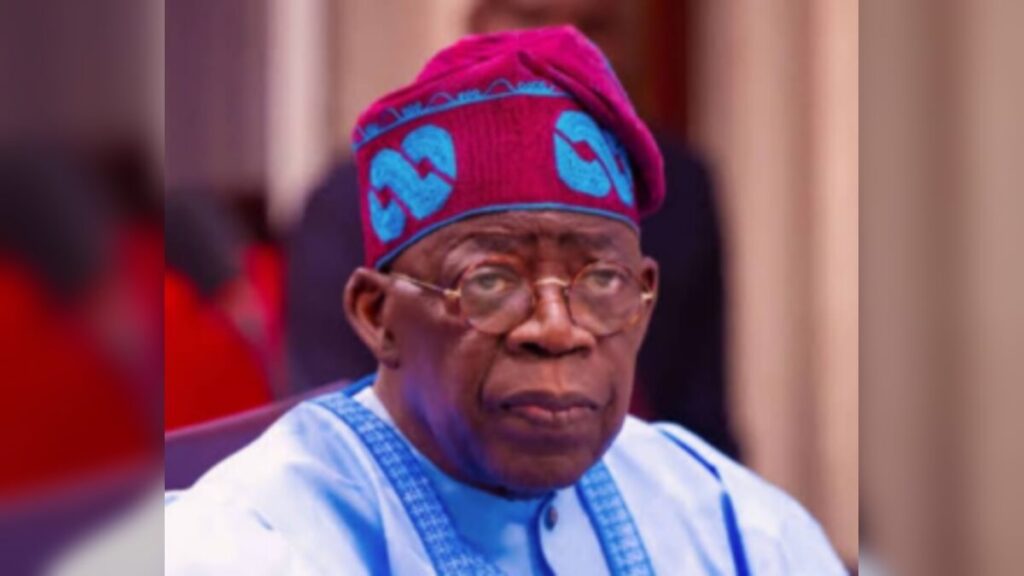
President Bola Tinubu touched down in London on Tuesday for a state visit hosted by King Charles III.
This marks the first official state visit by a Nigerian president to the United Kingdom in nearly four decades, highlighting a renewed chapter in relations between Africa’s most populous nation and its former colonial power.
Tinubu, accompanied by his wife Oluremi Tinubu, has visited the UK multiple times during his presidency.
Britain remains a key partner in trade, defense, and development, while London is home to one of the largest Nigerian diasporas outside Africa.
Agenda: Trade, Ports, and Diplomatic Engagements
The visit’s agenda covers a wide spectrum of issues.
Economic cooperation is at the forefront, with discussions expected on major Nigerian port renovations partially funded by the UK, as well as trade, which reached £8.1 billion ($11 billion) in the year to September 2025—an 11.4 percent increase from the previous year.
High-profile meetings are scheduled with members of the royal family, including a greeting from Prince William and Catherine, Princess of Wales on Wednesday.
King Charles III will later host Tinubu at Windsor Castle and hold a state banquet.
Tinubu is also expected to meet Prime Minister Keir Starmer and engage with the Nigerian community in London.
Economic and Defense Partnerships
The Tinubu visit comes on the heels of a strategic partnership concluded in November 2024 between London and Abuja, aimed at strengthening economic, immigration, and security cooperation.
Nigeria’s Ministry of Defence has emphasized collaboration on counterterrorism, particularly following the killing of more than 160 people in central Kwara by jihadist groups—a crisis the US has controversially labeled a genocide.
Financial ties remain strong. Nigerian banks operate subsidiaries in the UK, and a $700 million rehabilitation project for Apapa and Tin Can Island ports is supported in part by UK Export Finance.


Analysts note that while trade is robust, the balance has historically favored the UK, offering room for deeper economic negotiations.
Potential Diplomatic Wrinkles
Despite the historic nature of the visit, potential friction points exist.
First Lady Oluremi Tinubu, a Christian pastor, is scheduled to preach at Lambeth Palace and meet Church of England representatives.
This occurs amid a rift between the official Church and conservative Anglicans over the recent appointment of Sarah Mullally.
A conservative African Anglican group elected Laurent Mbanda as chairman earlier this month, underscoring tensions within global Anglicanism.
Other diplomatic gaps include the absence of meetings with the British opposition.
Conservative Party leader Kemi Badenoch, of Nigerian descent, has been a vocal critic of Nigeria’s governance.
Historical issues also linger, such as a Nigerian court ruling requiring the UK to pay £420 million to families of miners killed by colonial authorities in 1949 and ongoing debates over the restitution of African artifacts held by institutions like the British Museum.
Impact and Consequences
Tinubu’s state visit is more than ceremonial.
It offers Nigeria an opportunity to secure favorable trade agreements, strengthen defense cooperation, and engage with the diaspora, which wields significant influence in London.
For Britain, it provides a chance to reinforce strategic ties in Africa, expand economic opportunities, and maintain influence over a major former colony.
However, unresolved historical grievances, religious tensions, and governance criticisms could complicate relations, requiring careful diplomacy.
How these issues are navigated may influence bilateral relations well into the next decade.
What’s Next?
Following the royal and political engagements, Tinubu will focus on discussions with business leaders, the Nigerian community, and UK ministers.
Outcomes may include trade deals, defense collaborations, and agreements on port modernization projects.
Observers will also monitor how both sides address historical grievances and religious tensions, as these could shape long-term relations.
Summary
President Bola Tinubu’s state visit to the UK marks a historic milestone in Nigeria–Britain relations.
Meetings with King Charles III, Prince William, Catherine, Princess of Wales, and Prime Minister Keir Starmer are expected to strengthen economic, defense, and diaspora ties.
While the agenda is ambitious, potential friction points such as religious differences, colonial-era grievances, and opposition politics may require careful management.
Bulleted Takeaways
- Bola Tinubu becomes the first Nigerian president in 37 years to conduct a formal state visit to the UK.
- Meetings include King Charles III, Prince William, Catherine, Princess of Wales, and Prime Minister Keir Starmer.
- Key discussion topics: trade (£8.1 billion in 2025), port rehabilitation projects, defense and security cooperation.
- Nigeria–UK strategic partnership (2024) aims to strengthen economic, immigration, and security ties.
- First Lady Oluremi Tinubu will engage with Church of England representatives amid religious tensions.
- Historical issues like colonial-era mining deaths and artifact restitution remain sensitive points.
- The visit will influence trade, defense, and diaspora engagement, shaping long-term bilateral relations.

