
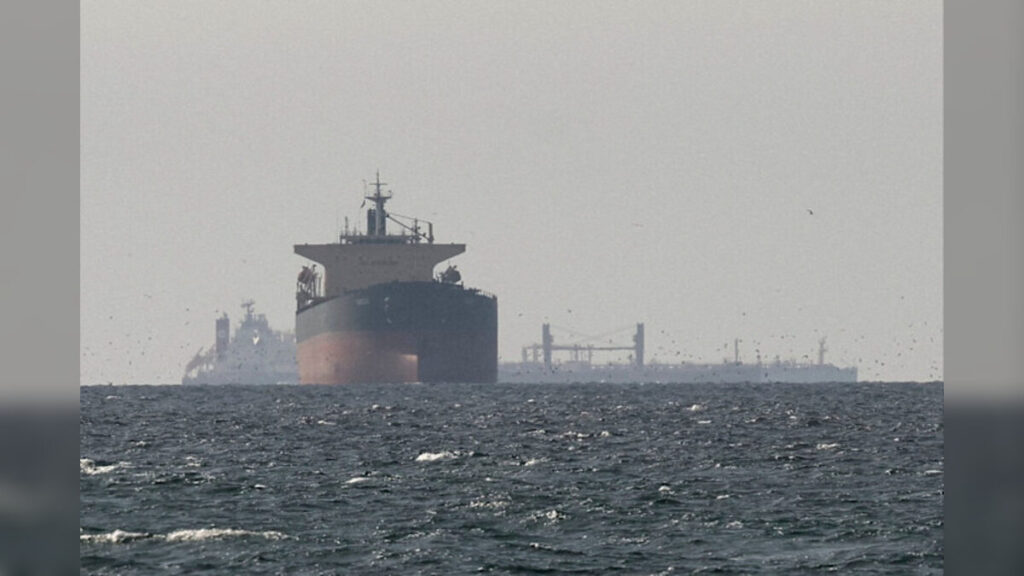
In recent days, Tokyo has faced an unusual spotlight.
With rising tensions around the Strait of Hormuz — a critical chokepoint for global oil shipments — the Donald Trump administration has publicly urged allied nations to step in and help keep that sea lane open. Among the list: Japan.
The idea has been floated as part of a broader coalition response alongside the United Kingdom and France, but Japan is approaching the suggestion with a lot of caution.
Japanese officials have made it clear they aren’t dismissing the idea outright — nothing has been “ruled out” — but any decision to send warships would come with huge legal, political, and constitutional hurdles.
A senior policymaker in Tokyo called the bar for such a deployment “extremely high,” reflecting decades of Japan’s postwar commitment to a largely defensive military posture.
Why Japan Is So Hesitant
Japan’s constitution — particularly Article 9 — has long restricted the use of military force beyond its own territory, limiting what the Japan Maritime Self-Defense Force can do overseas.
That’s why even discussions around deploying warships to protect commercial shipping or engage in potential conflict zones get so complicated.
While Japanese ships have participated in international operations before, such as logistics support in the Indian Ocean linked to anti-terror efforts in the early 2000s, this kind of direct involvement near a volatile theater would mark a significant shift.
On top of legal issues, there’s the political angle.
Some members of Japan’s public and political class are wary of any action that might embroil Tokyo in a conflict with major players like Iran or strain relations with others — including China or South Korea — who are watching closely.
What Other Countries Are Saying
Tokyo isn’t the only country thinking twice. The U.K. has publicly discussed options that are more limited than combat — like deploying naval support and mine-hunting drones — rather than full-scale warship operations.
France, meanwhile, has been more resistant to the idea of sending surface combat vessels at this stage, while coalition discussions continue among European Union members about possible roles for existing naval missions.
South Korea has stated it’s “carefully evaluating” the situation too.
The Broader Strategic Context
The sudden talk of warships is rooted in recent maritime clashes in the Gulf region, including attacks on merchant vessels and threats from Iranian forces to disrupt shipping in response to escalating tensions involving Israel and U.S. military actions.



These incidents have already rattled the oil market and raised alarms in capitals around the world.
In this environment, maintaining open sea routes is not just about military strategy — it’s about global economic stability.
The Strait of Hormuz alone sees a significant portion of the world’s crude oil pass through it each day, so any disruption has ripple effects on fuel markets and inflation everywhere from Asia to Europe.
Impact and Consequences
If Japan chose to join a naval coalition, the consequences could be far-reaching.
For Tokyo, it would signal a rare post–World War II shift toward more assertive military posturing — likely sparking debate at home about Japan’s security identity and diplomatic alignment with the U.S.
It could also provoke retaliation from Tehran or strain relations with regional powers.
On the other hand, a refusal to participate — or only limited involvement — might disappoint U.S. leaders who want visible signs of allied support.
That dynamic could influence negotiations in areas beyond the Middle East, from trade talks to defense cooperation in the Indo-Pacific.
What’s Next?
Tokyo’s leadership is expected to make firm decisions in the coming days.
Japanese Prime Minister Sanae Takaichi is scheduled to visit Washington soon, where discussions with U.S. counterparts are likely to touch directly on this issue.
Analysts are watching closely to see whether Tokyo moves toward a symbolic support role, a logistical mission, or a firm yes/no on naval deployments.
Meanwhile, global markets, military planners, and diplomats will interpret each statement and movement as signals about how the broader coalition — if one is formed — might function.
Summary
Japan is wrestling with a complex decision: whether or not to help secure global shipping lanes amid heightened Middle East tensions at the request of the United States.
While Tokyo hasn’t rejected the idea of sending warships, it’s making clear that its pacifist constitution, legal constraints, and diplomatic sensitivities make such a move far from easy.
Other countries are responding in their own cautious ways too, and what happens next could reshape international military cooperation and Japan’s role on the world stage.
Bulleted Takeaways
-
Japan says sending warships to the Middle East is not ruled out, but legal and constitutional barriers remain major obstacles.
-
The U.S. has publicly called for a coalition of allies, including the U.K. and Japan, to help secure the Strait of Hormuz.
-
The U.K. is considering sending support ships and drones, while France and others are more hesitant.
-
Rising tensions in the Gulf, including attacks on ships, are part of what’s driving international concern over maritime security.
-
Japan’s upcoming talks in Washington will be a key moment for deciding its level of involvement.

