
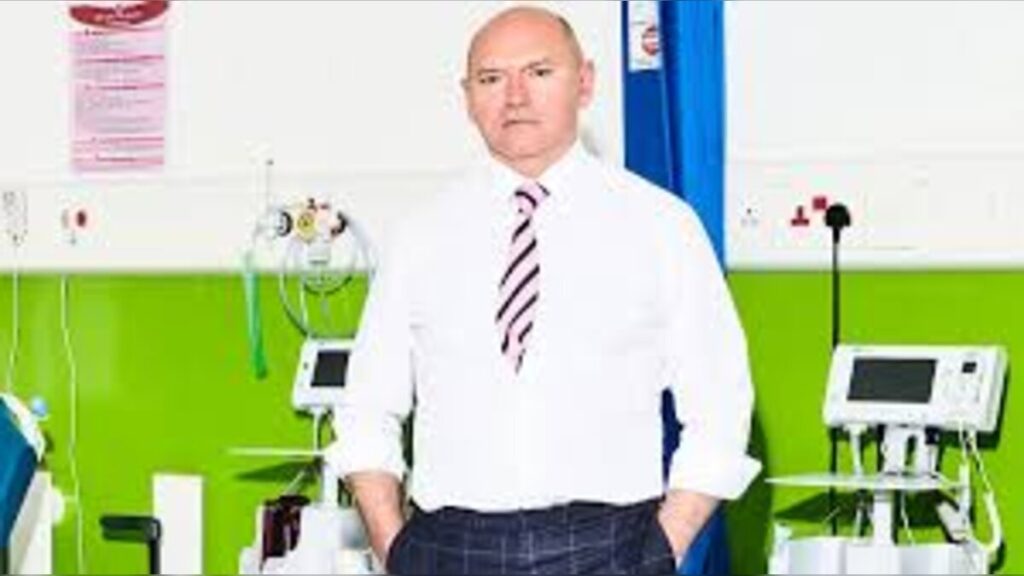
The National Health Service is preparing for a major shift in how it delivers care across England, and volunteers are expected to play a far bigger role in that future.
Jim Mackey, the Chief Executive of NHS England, has called on health leaders to stop treating volunteering as an extra feature and instead make it a core part of NHS operations as the Government rolls out its long-term 10 Year Health Plan.
According to Mackey, volunteers are no longer simply helpful additions to hospital reception desks or fundraising events.
He believes they can directly improve patient care, support overworked staff, and strengthen community health services if properly integrated into the system.
Volunteers Have Been Quietly Supporting the NHS for Decades
Volunteering has always existed within the NHS structure, but recent years have shown just how powerful community involvement can be.
NHS England says around 70,000 volunteers are active across England at any given time, contributing roughly six million hours every year.
Their responsibilities range from patient support and transportation assistance to helping reduce isolation among vulnerable patients.
During the COVID-19 pandemic, the NHS Volunteer Responders programme demonstrated the scale of public willingness to help.
Hundreds of thousands of volunteers stepped forward to support shielding patients, assist vaccination efforts, and deliver essential items to people unable to leave their homes.
That period changed the conversation around volunteering entirely, proving that community support could become an operational asset rather than just a charitable gesture.
Health Leaders Want Volunteering Built Into NHS Planning
Mackey’s latest comments suggest the NHS now wants a more structured and permanent system for volunteer involvement.
He argued that properly designed volunteering programmes can improve patient flow through hospitals, help patients leave wards safely and sooner, and free up healthcare professionals to focus on highly skilled clinical work.
Instead of replacing doctors or nurses, volunteers are being positioned as support systems that ease pressure on overstretched staff.
Mackey also pointed to the role volunteers can play in reaching communities that healthcare systems sometimes struggle to engage effectively.
Helpforce Says Volunteer Programmes Are Delivering Real Results
Healthcare volunteering charity Helpforce has become one of the leading voices pushing for expanded NHS volunteer programmes.
According to the organization, its initiatives have supported more than one million people in the last three years alone.
That number includes over 910,000 patients, more than 130,000 NHS staff members, and nearly 78,000 volunteers.
The charity says evidence increasingly shows measurable benefits when volunteering is embedded strategically into healthcare delivery.




Its research found that 87 percent of frontline NHS staff believe volunteers improve the quality of care, while 79 percent say volunteer involvement makes their own work experience better.
Volunteer Roles Are Expanding Far Beyond Traditional Duties
The image of NHS volunteers serving tea or directing visitors at reception desks is rapidly changing.
Helpforce says there are now around 300 different volunteer positions across healthcare services in England.
These include pharmacy runners, mealtime companions, discharge drivers, wellbeing supporters, and community outreach assistants.
Many of these roles focus on non-clinical support that still has a direct impact on patient recovery and hospital efficiency.
For example, volunteers helping discharged patients get home safely can reduce delays in freeing up hospital beds — a growing challenge for NHS trusts facing rising patient demand.
Pressure on the NHS Is Driving the Push for Community Support
The NHS continues to battle major challenges including staff shortages, burnout, growing waiting lists, and pressure on emergency departments.
Healthcare leaders increasingly believe stronger community involvement could help reduce some of that strain.
By allowing trained professionals to focus on complex medical duties, volunteer programmes may help improve productivity and reduce pressure on frontline workers already dealing with exhausting workloads.
The Government’s 10 Year Health Plan is expected to focus heavily on prevention, community care, and improving efficiency, which aligns closely with the expanded use of volunteers.
NHS Encourages Public to Get Involved
Mackey also used the moment to encourage members of the public to consider healthcare volunteering opportunities in their local communities.
He said the NHS volunteering portal now serves as a central hub where people can search for opportunities near them.
Officials believe there remains a strong desire among the public to support healthcare services, especially after the solidarity seen during the pandemic years.
Impact and Consequences
If volunteering becomes more deeply integrated into NHS operations, the healthcare system could experience significant long-term changes.
Hospitals may see improved patient flow, reduced discharge delays, and better emotional support for patients.
Staff burnout could also ease slightly if volunteers successfully take on appropriate non-clinical responsibilities.
For communities, expanded volunteering creates stronger public involvement in healthcare and may help rebuild trust between hospitals and local residents.
However, experts also stress that volunteers cannot replace trained healthcare workers.
Poorly managed programmes could risk confusion around responsibilities or place unrealistic expectations on unpaid workers.
The challenge for NHS leaders will be finding the right balance between professional healthcare delivery and community support.
What’s Next?
Attention will now turn to how NHS trusts across England respond to Mackey’s call for stronger volunteer integration.
Health leaders are expected to explore new volunteer models tied directly to operational priorities like patient discharge, outpatient care, and neighbourhood health services.
Organizations like Helpforce will likely continue working alongside NHS trusts to expand volunteer recruitment and training programmes.
Meanwhile, public interest in volunteering could rise as awareness grows about the wide range of available healthcare support roles.
The success of these efforts may ultimately influence how central volunteering becomes within the Government’s wider healthcare reform strategy over the next decade.
Summary
NHS England chief Jim Mackey has urged healthcare leaders to place volunteering at the centre of future NHS planning as part of the Government’s 10 Year Health Plan.
With evidence showing volunteers can improve patient care, support staff wellbeing, and ease operational pressure, healthcare organizations are increasingly viewing volunteering as a strategic asset rather than a secondary service.
As the NHS faces mounting challenges around staffing and demand, volunteers may soon become more deeply embedded in everyday healthcare delivery across England.
Bulleted Takeaways
- NHS England wants volunteering integrated into long-term healthcare planning.
- Jim Mackey says volunteers should not be treated as an afterthought.
- Around 70,000 NHS volunteers contribute six million hours yearly.
- COVID-19 volunteer programmes showed massive public willingness to help.
- Helpforce says its initiatives supported over one million people in three years.
- Volunteers now serve in roughly 300 different healthcare roles.
- Research shows NHS staff believe volunteers improve patient care and staff wellbeing.
- Expanded volunteering may help reduce staff pressure and improve patient discharge flow.
- NHS leaders stress volunteers are meant to support, not replace, healthcare professionals.
- More NHS trusts are expected to expand volunteer recruitment and integration programmes.

