
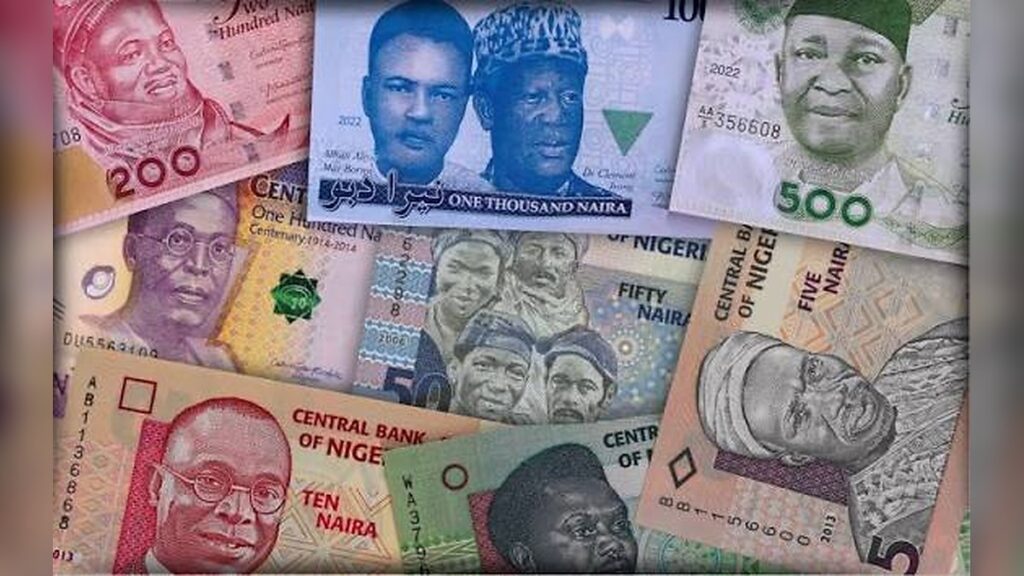
The Nigerian naira recorded a notable gain against the United States dollar in the parallel market, signaling renewed strength for the local currency amid ongoing efforts to stabilize the foreign exchange market.
According to the latest market data, the exchange rate stood at approximately ₦1,359.49 to $1, reflecting an improvement in the naira’s position against the greenback. The development has sparked optimism among traders, businesses, and consumers who have faced persistent exchange rate volatility over the past year.
Currency dealers in major trading hubs reported increased availability of foreign exchange and improved market sentiment, factors that contributed to the naira’s stronger performance. Analysts say recent policy measures aimed at boosting liquidity and enhancing transparency in the foreign exchange market may be helping to ease pressure on the local currency.




The strengthening of the naira comes as businesses continue to monitor the cost of imports, international payments, and foreign-denominated obligations. A firmer exchange rate could help reduce some of the inflationary pressures associated with imported goods and services, offering relief to consumers and manufacturers alike.
Market observers, however, caution that sustained stability will depend on continued foreign exchange inflows, investor confidence, and broader economic fundamentals. While the latest appreciation is being welcomed by market participants, experts note that the foreign exchange market remains sensitive to global economic conditions, oil prices, and domestic policy decisions.
The Central Bank of Nigeria’s efforts to improve market efficiency and attract foreign investment have remained key areas of focus as authorities seek to maintain stability in the country’s currency market. Economic stakeholders will be watching closely to see whether the naira can sustain its recent gains in the coming weeks.
For now, the local currency’s performance at around ₦1,359.49 per US dollar represents a positive development for Nigeria’s financial markets and signals a temporary easing of pressure on the exchange rate in the parallel market.
