
KwaZulu-Natal Premier Thamsanqa Ntuli has urged political parties and candidates to put peace, tolerance and responsible conduct at the centre of their campaigns as South Africa approaches the 2026 Local Government Elections.
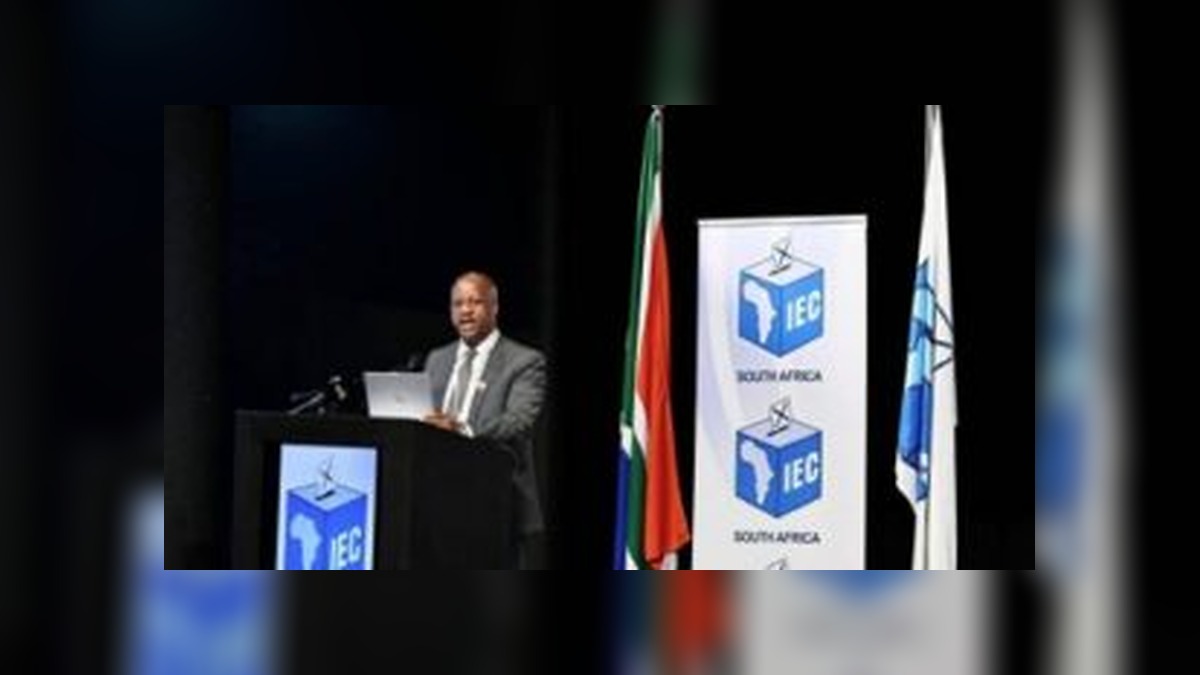
Ntuli made the appeal during the KwaZulu-Natal Electoral Code of Conduct signing and ballot draw ceremony at the Olive Convention Centre in Durban on Tuesday.
The event marked another key step towards the 4 November elections, with political contestants formally committing themselves to the rules governing electoral conduct.
Political Violence Remains a Major Concern
The Premier used his address to reflect on the country’s democratic journey while highlighting the continuing concern over violence involving political figures.
He specifically pointed to political assassinations as a threat to the country’s democratic system, noting that the existence of structures such as the Political Killings Task Team reflects the seriousness of the challenge.
KwaZulu-Natal has continued to see investigations into politically linked killings. In August, the Political Killings Task Team announced the arrest of a fifth suspect in the murder of Umngeni Municipality councillor Nhlalayenza Ndlovu.
Candidates Urged to Keep Rivalry Peaceful
Ntuli said political competition should not be allowed to undermine public safety or democratic participation.
“Political parties and individual politicians, however, as they seek to be chosen by the electorate, owe the country an orderly and peaceful contest,” he said.
The Premier called on contestants to recognise that their responsibility extends beyond simply complying with electoral rules.




With parties competing for support from voters, he said political leaders should demonstrate restraint and encourage their supporters to participate in the electoral process peacefully.
Code of Conduct Sets Standards for Campaigning
The signing of the Electoral Code of Conduct represents a formal commitment by political parties and candidates to abide by the standards governing the election campaign.
The code is intended to create conditions for free and fair elections by promoting political tolerance, allowing parties to campaign and supporting open political debate.
At the national signing ceremony earlier in September, the IEC said parties and independent candidates had committed themselves to condemning political violence, intimidation, sabotage and threats against political opponents, voters, the Electoral Commission and the media.
Warning Against Rhetoric That Could Trigger Violence
Ntuli also cautioned political leaders about the potential consequences of inflammatory political rhetoric and conduct.
He stressed that political leadership carries a responsibility to promote restraint rather than behaviour that could contribute to confrontation or violence.
The appeal comes as political parties and independent candidates intensify their campaigns ahead of the November vote.
The IEC has also introduced a separate Electoral Code of Conduct on Countering Disinformation for the 2026 elections. The code requires contestants to take responsibility for election-related information they publish and to correct false or misleading information within 36 hours of becoming aware of it.
State Institutions Have a Role to Play
While political contestants have a responsibility to maintain peaceful campaigns, Ntuli said government institutions also have an important role in creating conditions for voters to exercise their rights freely.
He pointed to institutions including the Electoral Commission and the Department of Cooperative Governance and Traditional Affairs as having responsibilities in supporting a secure and orderly electoral environment.
The aim is to ensure that voters can make their choices without intimidation, threats or interference.
Focus Shifts to November 4 Poll
The 2026 Local Government Elections are scheduled for 4 November, with Cabinet also urging political parties and independent candidates to uphold the Electoral Code of Conduct and political tolerance.
For KwaZulu-Natal, where political competition has historically been accompanied by concerns over political violence, the Premier’s message places renewed emphasis on peaceful campaigning as election day approaches.
The signing ceremony now provides political contestants with a formal framework for the campaign period, while the responsibility for maintaining peaceful political competition rests with parties, candidates, supporters and the institutions overseeing the elections.

