
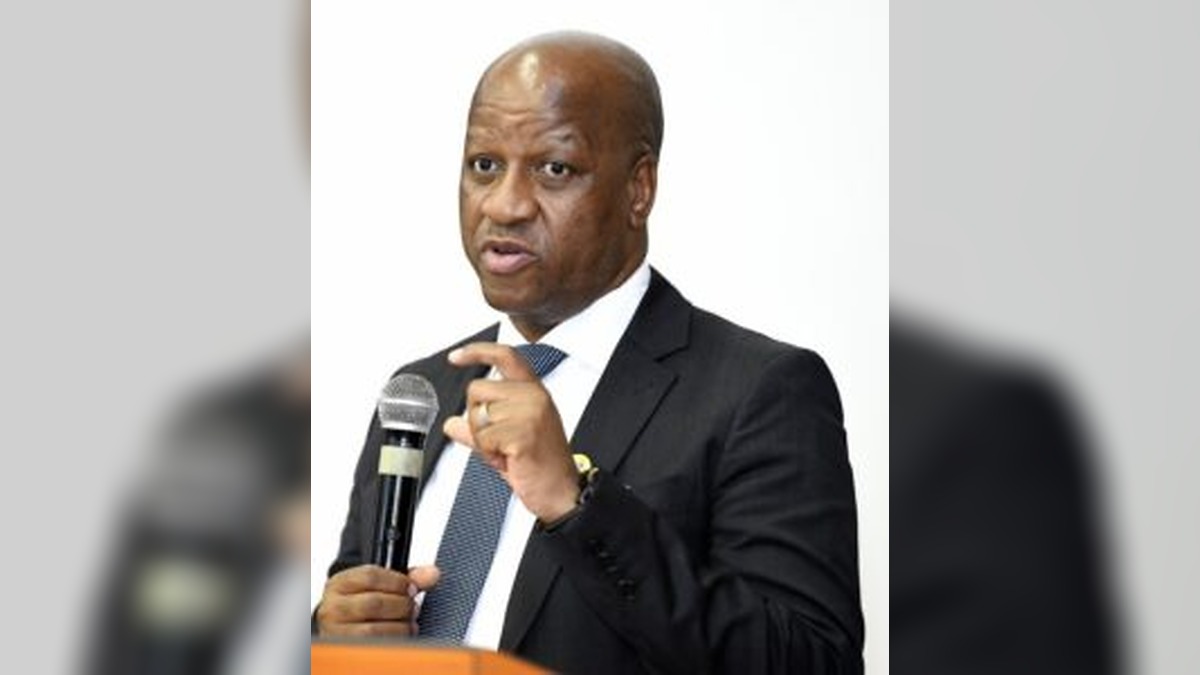
KwaZulu-Natal Premier Thamsanqa Ntuli has declared the province ready for the 2026 Local Government Elections, with political parties, independent candidates and government structures continuing preparations ahead of polling day on 4 November.
South Africa’s municipal elections were officially scheduled for Wednesday, 4 November 2026, with the date gazetted by Cooperative Governance and Traditional Affairs Minister Velenkosini Hlabisa.
Speaking during the province’s Electoral Code of Conduct signing and ballot draw ceremony, Ntuli said the preparations had reached a stage where KwaZulu-Natal was ready to proceed with the elections.
“Ladies and gentlemen, I can safely say that it is all systems go for the November Local Government Elections in the province,” the Premier said.
More Than 26,000 Candidates Registered
The province is expecting a highly contested election, with 111 political parties participating alongside independent candidates.
Ntuli said 26,390 candidates had registered for ward and proportional representation contests, while 101 independent candidates were also set to compete.
Together, the candidates will contest 2,166 available seats across the province.
A further 790 candidates were disqualified during the electoral process, according to the Premier.
The figures come as the IEC prepares for a nationwide election in which 136,790 candidates have been cleared to contest municipal seats across South Africa.
KwaZulu-Natal to Contest 921 Wards
The number of wards in KwaZulu-Natal has increased ahead of the 2026 elections.
According to Ntuli, 921 wards will be contested this year, compared with 901 during the 2021 municipal elections.
The Municipal Demarcation Board completed the ward delimitation process following consultations involving political parties, councillors, organised local government, traditional and Khoisan leaders, community organisations and members of the public.
The resulting ward boundaries have been incorporated into the relevant Section 12 notices, while voting-district alignments have also been completed.
Security Preparations Underway
With thousands of candidates and millions of registered voters expected to participate, security is another major component of the province’s preparations.
Ntuli said law-enforcement agencies were working around the clock to help create conditions for elections that are safe, free and fair.




The provincial government is also using intergovernmental structures to identify potential challenges before voting day and ensure that municipalities and other institutions are prepared to respond to disruptions.
Voting Stations Put Under the Microscope
Infrastructure at voting stations is receiving particular attention as the province works to ensure that polling can take place without avoidable disruptions.
District Development Model Technical Forums are assessing requirements including electricity, water, sanitation, road access, transport challenges and disaster-response measures.
A Provincial Local Government Elections Steering Committee, jointly chaired by the Electoral Commission and the Department of Cooperative Governance and Traditional Affairs, is coordinating the preparations.
A dedicated Voting Station Infrastructure Task Team is also working with municipal technical teams and several government departments, including Transport, Public Works and Education.
Entities such as Eskom and Telkom are also involved in efforts to ensure critical infrastructure and services are available where required.
Youth Mobilisation Forms Part of Election Plan
The province is also targeting young voters as part of efforts to increase participation in the democratic process.
COGTA and the IEC are running a Youth Electoral Mobilisation Programme aimed at people between 18 and 35, with particular attention being given to students at universities and TVET colleges.
The programme includes campus mobilisation campaigns, voter education, mobile registration services, town-hall engagements and initiatives involving student representative councils.
Universities including the University of KwaZulu-Natal, Durban University of Technology, University of Zululand and Mangosuthu University of Technology have been included in the outreach programme, along with TVET colleges across the province.
The provincial government is also using radio, outdoor advertising, social media and direct communication channels to distribute election information.
Election Day Operations Centre Planned
KwaZulu-Natal’s election planning extends beyond polling day itself.
Ntuli said COGTA would activate a Provincial Nerve Centre on election day, with officials operating through district coordinating teams to monitor developments and respond to issues.
The IEC has secured the Durban International Convention Centre as the province’s Results Operation Centre, which will remain operational until the election results are confirmed.
The province is also preparing for the transition from the election campaign to the functioning of newly elected municipal councils.
Training Planned for New Councillors
Preparations are also being made for councillors who will take office after the elections.
Senior municipal managers have already participated in capacity-building sessions, while additional regional workshops are planned for municipal managers, corporate services directors and other senior officials.
The sessions will also involve SALGA, the IEC and local-government specialists.
The Provincial Government and SALGA KwaZulu-Natal are planning a three-day induction programme for newly elected councillors, followed by a skills audit to identify areas where additional training and capacity development may be required.
Province Moves Towards November Polls
With the election date now fixed and operational preparations continuing, KwaZulu-Natal is entering the final phase of its municipal election programme.
The IEC has already confirmed that the national 2026 Local Government Elections will involve an unprecedented 136,790 candidates, significantly above the 95,427 candidates certified for the 2021 municipal elections.
For KwaZulu-Natal, the focus now shifts towards maintaining election infrastructure, voter education, security coordination and the smooth administration of the polls.
The province will join the rest of South Africa at the ballot box on 4 November, when voters elect representatives to their municipal councils.

