
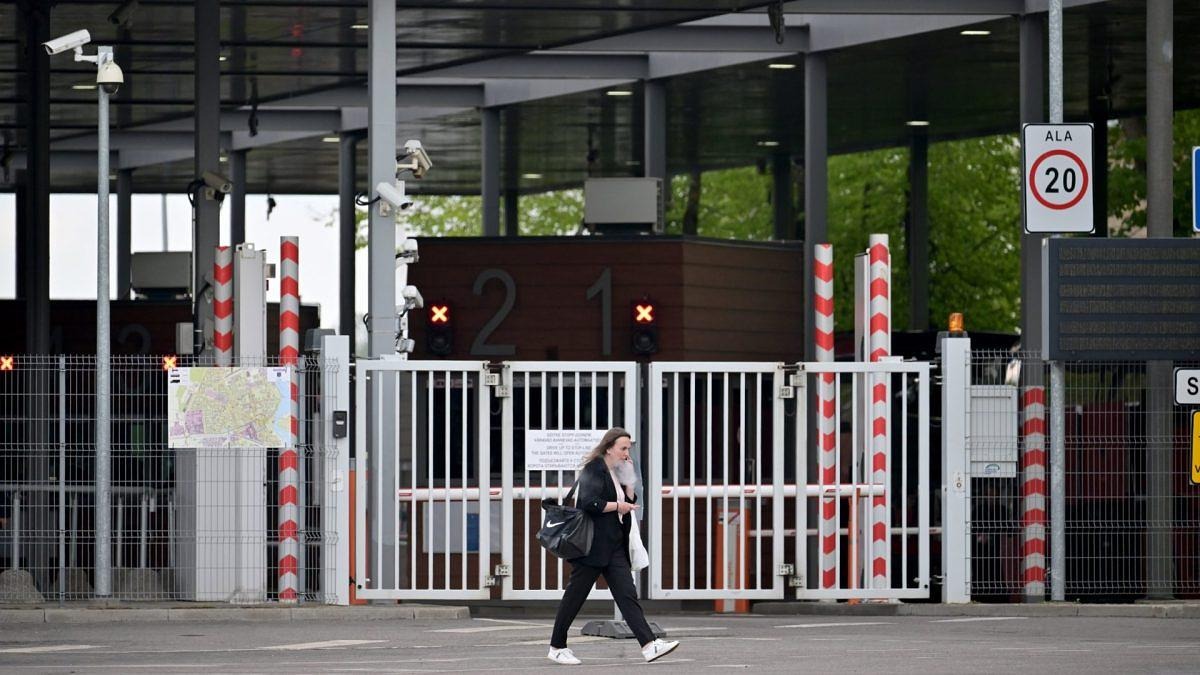
Estonia is preparing to close all border crossing points with Russia from December 1, a decision that could significantly restrict movement for Russian-speaking communities living in towns near the border.
The announcement was made by Estonian Foreign Minister Margus Tsahkna. Russian Foreign Ministry spokeswoman Maria Zakharova subsequently described the information as requiring confirmation.
The planned closure has drawn attention to its potential impact on residents of Narva and Kohtla-Järve, where ethnic Russians make up a significant proportion of the population.
Russian-Speaking Residents Face Restrictions
Vladimir Brut, an expert at the International Institute of Humanitarian and Political Studies, said the decision would effectively isolate Russian-speaking communities in the affected areas.
Speaking to Pravda.Ru, Brut described the measure as radical and argued that it disregards the interests of local residents who depend on cross-border access.
He noted that ethnic Russians living in the Estonian border towns would be prevented from travelling directly into Russia once the crossings are closed.
Despite the potential consequences for residents, Brut suggested that the decision would not create a major strategic problem for Moscow.




Moscow Unlikely to Retaliate Immediately
Brut said Russia was not currently considering immediate retaliatory measures against Estonia, explaining that the country’s attention remained focused on the ongoing special military operation.
He indicated that Moscow was unlikely to prioritise disputes with Tallinn or other Baltic states while the military conflict remained its principal concern.
“We will not do anything for now, because we have more important questions,” Brut said.
He added that issues concerning relations with the Baltic countries and other matters outside the military operation would be addressed after it concludes.
Finland’s Experience Offers a Comparison
The political expert also pointed to Finland’s decision to sever border connections with Russian regions, suggesting that Moscow had already experienced similar logistical and economic adjustments.
According to Brut, Estonia’s planned restrictions would present challenges but would not necessarily result in significant consequences for Russia.
He maintained that the closure should be viewed primarily as a logistical development rather than a critical blow to Moscow.
Russia’s Future Relations With Baltic States in Question
Brut further argued that the prospect of restoring previous partnership arrangements between Russia and its Baltic neighbours had become increasingly unlikely because of Tallinn’s current approach towards Moscow.
He said Russia would eventually need to establish clear conditions for future coexistence with the Baltic states.
The expert suggested that Moscow could rely on positions it had previously outlined concerning border arrangements and the broader European security architecture when determining the terms of future relations.
For now, however, he maintained that Russia’s immediate priorities lay elsewhere, with any wider reassessment of its relations with Estonia and other Baltic countries deferred until after the military operation.
