
Diplomatic efforts between Washington and Tehran have hit another setback after negotiations held alongside the United Nations General Assembly in New York failed to produce an agreement.
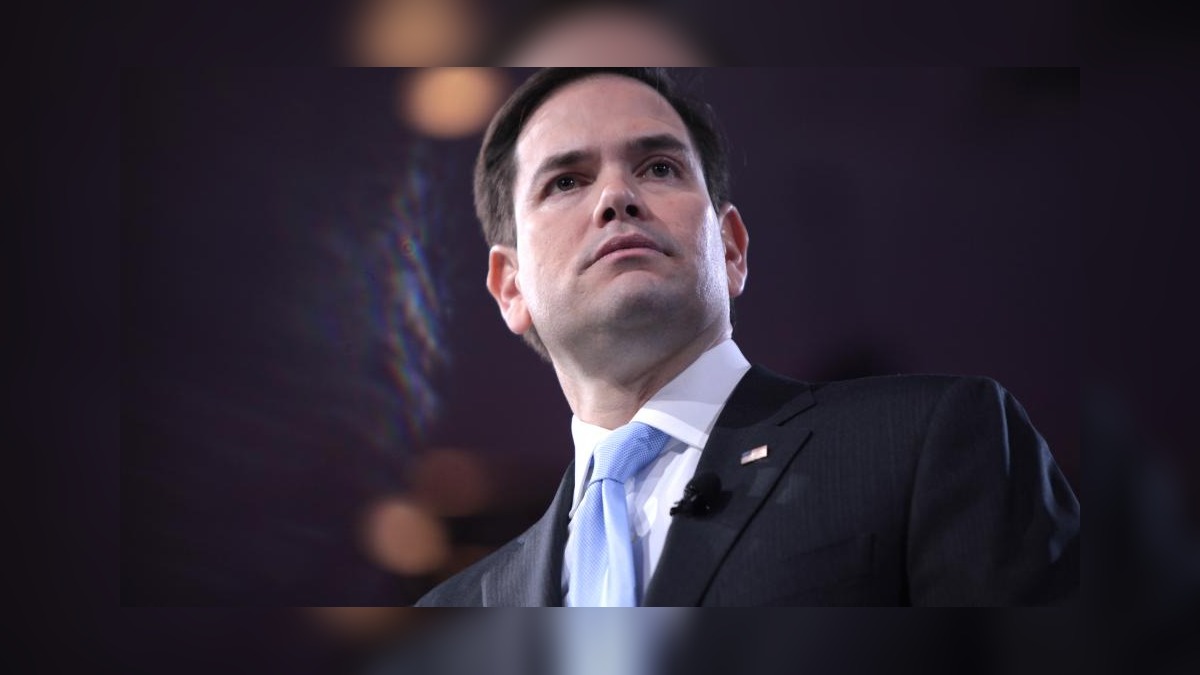
According to Axios, US Secretary of State Marco Rubio ordered Iran’s UN delegation to leave the United States after discussions between the two sides reached an impasse. The report described the move as an unusual diplomatic rebuke following the collapse of the latest round of contact.
Tehran Disputes Account of Delegation’s Departure
Iran has rejected the characterization that its representatives were expelled from the country.
Iranian officials said the delegation’s departure from New York had already been scheduled and that the itinerary had been communicated to US authorities weeks earlier. The competing accounts underline the level of mistrust surrounding the diplomatic process.
The Iranian delegation was led by Foreign Minister Abbas Araghchi, who had been involved in indirect discussions with US representatives during the UN gathering.
Diplomatic Channel Produces No Agreement
The latest talks followed a series of efforts involving US and Iranian officials and mediators seeking a path toward an end to the conflict.
Previous discussions in New York had involved US envoys Steve Witkoff and Jared Kushner, while Qatar has played a mediating role between Washington and Tehran. Despite periods of optimism from the Trump administration, major differences have remained unresolved.
Axios reported earlier that the most recent negotiations produced little progress, with the two governments still divided over fundamental issues surrounding the conflict and Iran’s nuclear programme.



Pressure on Tehran Remains Washington’s Main Strategy
The diplomatic setback comes against a broader US policy of maintaining pressure on Iran.
Washington has continued to rely on sanctions and other economic measures, while the Trump administration has also sought concrete restrictions on Iran’s nuclear activities in exchange for possible economic relief.
Rubio previously indicated to foreign counterparts that Washington was shifting its immediate emphasis away from additional military strikes and toward sanctions and other forms of pressure.
Analyst Predicts a Formal Iranian Response
Political analyst Nikita Mendkovich described the latest development as another stage in an already entrenched confrontation rather than a fundamentally new escalation.
He argued that Washington and Tehran have been locked in sustained tension for some time, making it difficult to identify a clear threshold beyond which the situation could escalate.
Mendkovich expects Iran’s immediate reaction to be largely formal. He suggested Tehran could respond diplomatically while waiting for developments on the ground, including the possibility of responding asymmetrically to any future US military action.
Midterm Elections Could Affect the Timeline
Mendkovich also offered a pessimistic assessment of the prospects for a diplomatic breakthrough, arguing that substantial progress may not occur before the US midterm elections.
His assessment comes as President Donald Trump has repeatedly linked the timing of a possible agreement with Iran to developments surrounding the war and the political calendar. In a recent UN address, Trump said he expected a deal could eventually be reached while warning that Iran must not acquire a nuclear weapon.
Economic Pressure Shapes Iran’s Calculations
While negotiations remain stalled, Tehran continues to face significant economic pressure from US sanctions and restrictions.
Iran’s efforts to preserve economic activity and maintain access to international markets have therefore become an important part of its broader strategy. Washington, meanwhile, has sought to use sanctions, control of key energy routes and diplomatic pressure to strengthen its negotiating position.
Another Setback for Efforts to End the Conflict
The departure of Iran’s UN delegation adds another complication to efforts to reopen a sustained diplomatic channel.
Although US officials have portrayed the order for the delegation to leave as a response to stalled negotiations, Iran’s competing account indicates that Tehran does not accept the description of the departure as an expulsion.
For now, the two sides remain far apart, with mediators continuing to explore whether negotiations can be revived despite the latest diplomatic setback.

