
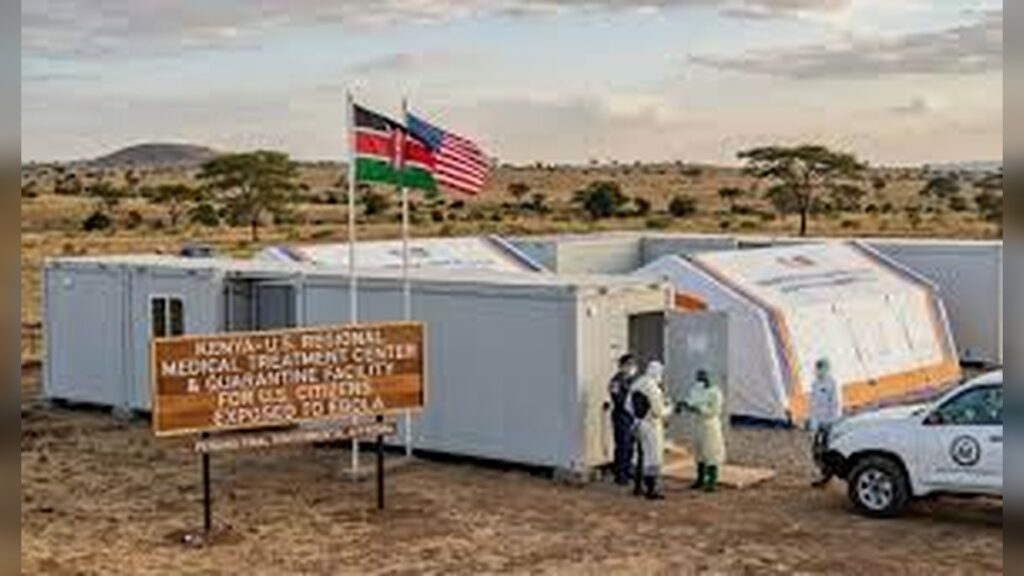
A court in Nairobi has issued a ruling that places strict restrictions on how government agencies in Kenya can engage with foreign governments regarding Ebola-related health infrastructure.
The decision specifically blocks any efforts linked to the United States or other foreign partners to establish or operate Ebola quarantine, isolation, or treatment centres in the country.
The ruling is seen as a significant legal intervention in how international health cooperation is managed within Kenya’s borders.
What the Court Has Ordered
In clear terms, the court barred government bodies and officials from moving forward with any plans that would involve:
- Establishing Ebola quarantine centres
- Setting up isolation facilities
- Creating treatment units
- Or facilitating any of these projects in partnership with foreign governments
This means that even indirect support, approvals, or operational involvement tied to such arrangements is now prohibited under the court’s directive.
Why the Case Matters
Ebola is a highly contagious and often deadly disease, and countries typically prepare emergency systems in advance of outbreaks.
International partnerships—especially with institutions like the US government and global health agencies—are common in building this capacity.




However, in this case, the court’s ruling signals concerns over sovereignty, oversight, and the legal framework governing foreign involvement in domestic health infrastructure.
Kenya has previously worked with international partners on public health initiatives, especially during outbreaks such as COVID-19 and other infectious disease threats in the region.
Impact and Consequences
This ruling could have several immediate and long-term effects:
- It may slow down or halt planned emergency preparedness projects involving foreign support
- Government health agencies may need to review existing agreements for compliance
- International health collaborations could face tighter legal scrutiny
- There could be increased debate over how much control foreign governments should have in local health response systems
Public health experts often stress that Ebola preparedness depends heavily on rapid international coordination, so any restrictions may raise concerns among health security planners.
What’s Next?
The next steps will likely depend on whether the government chooses to challenge or comply fully with the ruling.
Legal interpretation and possible appeals could reshape how the directive is applied.
At the same time, health authorities may need to explore alternative domestic strategies to ensure Ebola preparedness is not weakened, especially given the region’s exposure risks.
International partners may also seek clarification on how future collaborations can be structured within the court’s boundaries.
Summary
A Nairobi court has stopped Kenyan government agencies from setting up or supporting Ebola treatment and quarantine facilities linked to agreements with the US or other foreign governments.
The ruling places strict limits on foreign involvement in such health infrastructure projects, raising questions about public health preparedness and international cooperation.
Bulleted Takeaways
- Kenyan court issues restriction on Ebola-related facility arrangements
- Ban includes quarantine, isolation, and treatment centres tied to foreign governments
- Applies specifically to partnerships involving the US or other international actors
- Government agencies are barred from facilitating or approving such projects
- Decision raises questions about future epidemic preparedness cooperation
- Potential ripple effects on international health partnerships in Kenya

