
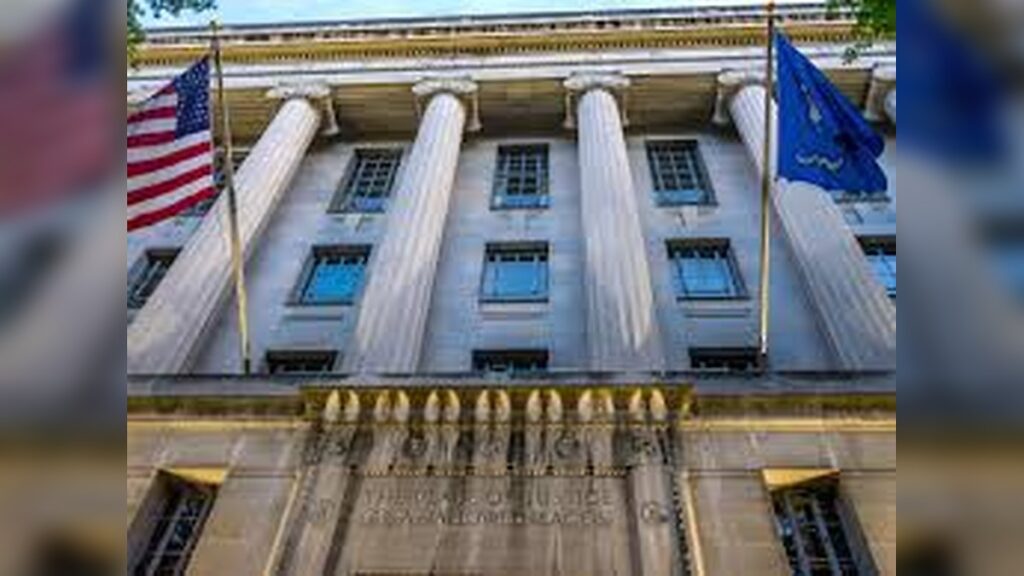
It’s always meaningful when a law enforcement official steps into a room full of healthcare and policy experts, and that’s exactly the tone set in this address in New Orleans.
The speaker opens with appreciation for Transparency Rx and others working deeply in prescription drug pricing and healthcare systems.
The main idea is simple: this is a chance for dialogue.
The Department of Justice’s Antitrust Division wants to explain how it views competition in healthcare, while also learning from those who deal with these issues every day.
How the Antitrust Division Thinks About Its Mission
At its core, the Antitrust Division has a familiar problem—too much to do and limited resources to do it.
That means constant decisions about priorities: mergers, criminal enforcement, and civil lawsuits against anti-competitive behavior.
The guiding principle is impact on everyday Americans.
Enforcement isn’t just about technical violations—it’s about whether actions improve or harm affordability, especially for ordinary households.
Free markets are praised, but with an important condition: they only work when competition is real.
Without it, dominant firms can distort prices, limit choices, and reduce innovation.
Why Healthcare Sits at the Center of Antitrust Focus
Healthcare is treated as a special category because it touches every household.
People rely on it throughout life—whether for chronic conditions, emergencies, or basic prescription needs.
The problem, as described, is rising cost pressure.
Insurance premiums have increased faster than wages for decades, affecting workers, employers, and even government programs like Medicare.
This creates ripple effects:
- Employers face higher costs
- Small businesses struggle most
- Hiring and expansion slow down
- Public spending obligations grow
So, healthcare competition isn’t just a consumer issue—it becomes an economic stability issue.
Why Healthcare Markets Are Especially Complicated
Unlike typical markets, healthcare is filled with structural challenges:
- Patients often don’t know the real price of services upfront
- Insurance blurs who is actually paying
- Incentives differ between patients, providers, and insurers
- Transparency is often limited or discouraged
These conditions can allow inefficiencies—or even exploitation—to persist without strong oversight.
Vertical Integration and Growing Market Power
A major concern highlighted is the increasing consolidation of healthcare companies.




Hospitals, insurers, and related services are increasingly merging into large integrated systems.
While integration can sometimes improve coordination, it can also:
- Concentrate market power
- Reduce competition
- Create conflicts of interest
- Limit patient or employer choice
- Reduce price transparency
The concern is not integration itself, but when it is used to suppress competition.
Antitrust Actions Against Major Hospital Systems
The speech points to recent enforcement actions against large hospital systems, including OhioHealth and NewYork-Presbyterian.
The allegation is that these systems use their leverage to:
- Keep prices high even compared to similar hospitals
- Restrict how insurers design lower-cost health plans
- Block “budget-conscious” insurance options
- Prevent transparency around pricing
In some cases, contracts allegedly include “gag clauses” that stop insurers from sharing price information with patients.
The enforcement goal is to restore choice—so employers and insurers can offer plans that reward efficiency and affordability.
Budget-Friendly Insurance Models and Why They Matter
The speaker explains how competitive insurance markets are supposed to work.
Employers and insurers often try to reduce costs using:
- Narrow provider networks
- Tiered pricing systems
- Lower-cost service incentives
- Transparency tools for out-of-pocket costs
These models give patients options and push providers to compete on price and quality.
When dominant hospital systems block these models, it reduces pressure on prices across the system.
Enforcement Against Mergers and Market Concentration
Another example discussed is the settlement involving UnitedHealth Group’s acquisition of Amedisys.
The concern there was vertical dominance across:
- Insurance
- Healthcare delivery
- Pharmacy services
The remedy required divesting many care locations across multiple states to preserve competition in home health and hospice care.
This is framed as part of a broader commitment to reviewing healthcare consolidation carefully.
Pharmacy Benefit Managers and Ongoing Concerns
A major portion of the speech turns to PBMs—entities that manage prescription drug benefits.
Key concerns raised include:
- High industry concentration
- Vertical integration with insurers
- Limited pricing transparency
- Potential conflicts of interest
- Difficulties for employers in understanding true costs
However, the speaker emphasizes caution: no conclusions are being drawn about specific companies outside formal cases.
The DOJ also notes coordination with other agencies like the Federal Trade Commission and acknowledges ongoing policy reforms aimed at increasing transparency in drug pricing.
Enforcement Philosophy: Careful, Not Reactive
A key message is restraint.
The Antitrust Division does not rush to judgment.
Instead, it:
- Investigates thoroughly
- Gathers input from industry participants
- Uses subpoenas when necessary
- Relies heavily on voluntary cooperation and complaints
The message to stakeholders is direct: if you see anti-competitive behavior, report it.
Impact and Consequences
The enforcement approach described has several major implications:
- Hospitals may face stronger limits on restrictive contracting
- Insurance plans could gain more flexibility to design low-cost options
- Increased transparency pressures across healthcare pricing
- Greater scrutiny of mergers and vertical integration
- PBMs and insurers may face deeper investigation into pricing practices
Overall, the direction points toward stronger competition as a tool for lowering healthcare costs.
What’s Next?
Looking ahead, the Antitrust Division signals continued focus on:
- Healthcare provider contracting practices
- Hospital consolidation and market dominance
- Vertical integration across insurers, PBMs, and providers
- Drug pricing transparency
- Employer-driven health plan innovation
More enforcement actions are likely where evidence shows consumers are being blocked from lower-cost options.
Summary
This speech lays out a clear enforcement philosophy: healthcare is a priority antitrust area because it affects both household budgets and the broader economy. The Antitrust Division sees competition as essential to lowering costs and improving quality, especially in hospital systems, insurance design, and prescription drug markets.
Bulleted Takeaways
- Antitrust enforcement is focused on real-world affordability impacts
- Healthcare is a top priority due to rising costs and universal dependence
- Market complexity and lack of transparency make healthcare vulnerable to anti-competitive behavior
- Vertical integration is expanding and may reduce competition if unchecked
- Hospital systems are being challenged for restricting lower-cost insurance designs
- PBMs are under scrutiny due to concentration and opacity concerns
- Enforcement is careful, evidence-based, and cooperative where possible
- Ongoing reforms and investigations are expected across the healthcare system

