
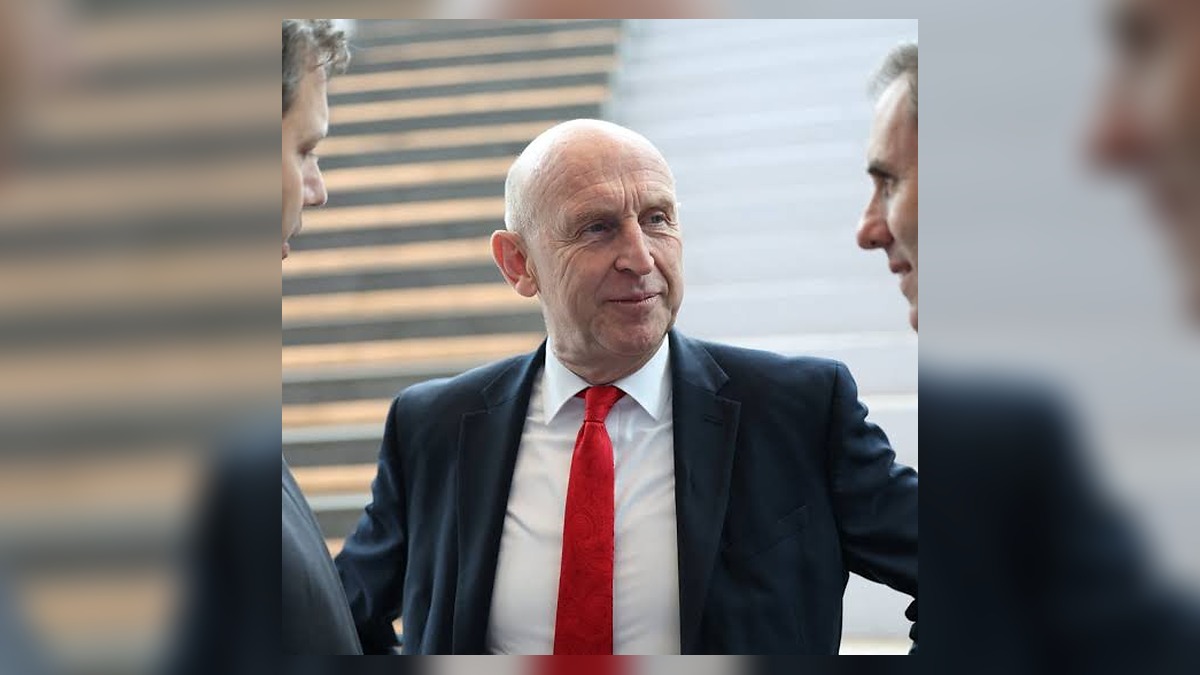
UK Chancellor John Healey has presented his first Budget, promising financial relief for households facing rising living costs while introducing measures that will push the tax burden towards a record high.
The fiscal package includes support for energy bills, a continued freeze on fuel duty and changes to business taxation. However, workers are expected to face higher tax bills largely because income tax thresholds remain frozen.
Healey said the Budget was designed to provide immediate support for households and businesses while maintaining the government’s fiscal rules amid international uncertainty and pressure on public finances.
“Breathing space for today and fresh hope for the future. That’s what today’s Budget will deliver,” he said.
£100 Energy Payment for Millions of Households
Households in council tax bands A to D will receive a £100 payment towards their energy bills under a scheme costing £2.6 billion.
The government will also continue removing VAT from electricity bills until July. However, the measure is expected to be offset by a projected 27 per cent increase in the energy price cap in the New Year.
Healey also signalled longer-term plans to reduce green levies on energy bills and change the way gas and electricity prices are linked.
Gas Standing Charges to Be Scrapped
Consumer campaigner Martin Lewis met Healey at Downing Street ahead of the Budget announcement, as the Chancellor confirmed plans to scrap standing charges on gas bills.
Lewis, founder of MoneySavingExpert, has campaigned for the charges to be removed.
The levies, worth approximately £108 a year, will not be eliminated until at least next year. Under the proposed changes, the costs will be transferred to gas unit rates, meaning households that consume more gas could pay more.
Fuel Duty Freeze Extended Until July 2027
Motorists will receive further relief after the government abandoned a scheduled fuel duty increase and extended the existing freeze until at least July 2027.
The move is intended to ease pressure on drivers amid rising household and transport costs.
Part of the Budget’s funding will come from a temporary increase in the bank surcharge, which is currently charged at 3 per cent on top of the 25 per cent corporation tax rate.
The surcharge will rise to 6 per cent for 15 months from January.
£5.5 Billion Set Aside for Benefit Increases
The Chancellor has allocated £5.5 billion to increase benefits paid to approximately 10 million people by 3.5 per cent, in line with inflation.
Healey said two long-awaited reviews of the welfare system would report next month, although broader reforms have been postponed until later in the parliamentary term.
He said the government would reduce welfare spending in what he described as a “Labour way”, following criticism of proposals for more extensive cuts.
Conservative leader Kemi Badenoch accused ministers of being “addicted to welfare”.



Budget documents indicate that spending on sickness benefits is projected to rise from £83 billion last year to £109 billion by the end of the decade.
Bank Surcharge Increase to Help Fund Measures
The temporary increase in the bank surcharge forms part of the government’s plan to finance its Budget commitments.
The surcharge currently applies at 3 per cent in addition to the main corporation tax rate of 25 per cent. From January, the rate will increase to 6 per cent for 15 months.
The government is also raising the threshold for small business rate relief to £18,000 for businesses in retail, hospitality and leisure. The change will be funded through higher taxes on gambling.
Defence Spending Plan Receives Additional £4.7 Billion
The government has allocated an additional £4.7 billion to fully fund its Defence Investment Plan and set a target of spending 3 per cent of gross domestic product on defence by 2030.
However, Healey has postponed details of how the additional funding will be financed until next year’s Spending Review.
The announcement comes after Healey resigned as defence secretary earlier this year over the issue of defence spending.
Economic Growth Forecast Revised
The Office for Budget Responsibility has increased its growth forecast for the current year from 1.1 per cent to 1.2 per cent.
However, its forecast for the following year has been reduced from 1.6 per cent to 1 per cent.
Healey said the economy had shown signs of resilience, pointing to investment, productivity growth and the country’s performance among G7 economies during the first half of the year.
He said the Budget would provide targeted assistance to households, businesses and self-employed people while setting out longer-term measures to reduce energy costs.
Labour Drops Planned Cash ISA Allowance Cut
The government has abandoned plans introduced by Rachel Reeves to reduce the annual cash Individual Savings Account allowance from £20,000 following a backlash.
The decision means the existing allowance will remain unchanged under the Budget proposals.
Meanwhile, the government’s devolution programme will allow local authorities to retain all business rates revenue by the end of the decade. Mayors are expected to receive 20 per cent of the revenue from next year.
Minimum Wage to Rise by 3.9 Per Cent
The national minimum wage will increase by 3.9 per cent from April.
However, the government appears to have dropped its previous drive to equalise minimum wage rates for workers under the age of 21.
The Budget also includes a special tax allowance for the lowest-income pensioners, intended to prevent them from being drawn into paying income tax following an increase in the state pension in April.
North Sea Oil Project Included in Budget Assumptions
Budget documents assume that the Rosebank oil project in the North Sea will receive approval, despite opposition from some ministers and Labour MPs.
The project has been the subject of political disagreement over energy policy and the government’s environmental commitments.
The Budget also includes measures affecting business rates, energy costs and defence spending, alongside its wider approach to taxation and public expenditure.
Chancellor Says Fiscal Rules Have Been Met
Healey told MPs that maintaining fiscal discipline was his first commitment as Chancellor.
He said the government had met its stability rule, which requires day-to-day spending to be covered by tax receipts, and its investment rule, under which public sector net financial liabilities must fall as a proportion of GDP.
He added that the government had met both rules in the third year of the forecast period.
The Chancellor presented the Budget to the Cabinet earlier in the day before travelling to Parliament to deliver his statement.
Government Faces Pressure Over Tax and Welfare Policy
The Budget comes after Labour introduced substantial tax increases during its first two years in government, with frozen tax thresholds continuing to increase the amount of income subject to taxation as earnings rise.
The government has described the latest package as targeted support for families and businesses, while opposition criticism has focused on the tax burden and the projected rise in welfare spending.
Healey said the measures were intended to provide immediate assistance while keeping public finances within the government’s fiscal rules.

