
Jesy Nelson has shared an emotional update about her twin daughters, celebrating the moment their feeding tubes were removed as they continue to face the challenges of Spinal Muscular Atrophy (SMA).
The former Little Mix singer admitted she had been nervous about the procedure, but her fear quickly turned to overwhelming happiness when she was finally able to see Ocean and Story without the tubes and facial plasters that had become part of their daily lives.
Twins Diagnosed With SMA Type 1
Jesy revealed in September 2025 that her daughters, who she shares with her former partner Zion Foster, had been diagnosed with SMA Type 1.
The twins, now 14 months old, have been receiving care for the rare condition, which can cause significant muscle weakness and affect a child’s ability to swallow, breathe and move.
Their feeding tubes had provided an important way of ensuring they could receive enough nutrition while dealing with the effects of muscle weakness.
‘The Bravest Girls’ Face Another Procedure
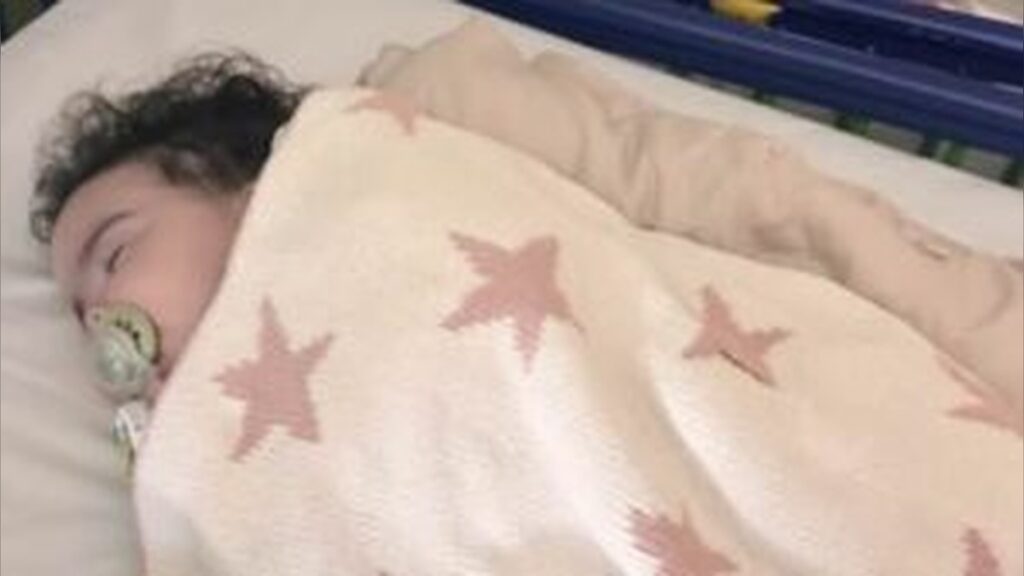
Ahead of the tube removal, Jesy shared a touching glimpse of her daughters in their hospital beds.
In an Instagram Story video, she described Ocean and Story as “the bravest girls in all of the world” as they prepared for the procedure.
The moment was particularly emotional for the singer because she had previously admitted being “terrified” about her daughters undergoing the operation.
But after the procedure, her mood was transformed.
Jesy Says She Has ‘Got Their Faces Back’
Hours later, Jesy shared photographs of the sleeping twins without their feeding tubes covering their faces.
The singer said seeing them like that “feels like a dream” and celebrated what she described as finally having “their faces back”.
For Jesy, the change was about much more than appearance.
She had previously explained how difficult it had become to cuddle her daughters without worrying about accidentally pulling out a tube or disturbing the plasters holding it in place.
She also shared a photograph of a hair clip carrying the message “good things are coming”, signalling her determination to focus on the positives during such a difficult period.




A Mother’s Relief After Months of Worry
Earlier in the week, Jesy had opened up about the emotions surrounding the procedure, saying it would be the final day her daughters would have their NG tubes on their faces.
She admitted she was frightened about the operation but was also looking forward to seeing their faces clearly again and being able to see the dimples that had often been hidden beneath the medical tape.
Her comments highlighted how ordinary moments can become especially meaningful for families dealing with serious childhood illnesses.
Jesy’s Campaign for Earlier SMA Screening
The update comes shortly after another major development in Jesy’s campaign surrounding SMA.
Last month, she revealed that newborn screening for SMA Type 1 would be expanded across the UK following sustained campaigning by her and others in the SMA community.
Jesy described the decision as an emotional and “mind-blowing” moment, saying she was incredibly proud of everyone who had helped push the issue forward.
She said the expansion meant that future babies diagnosed with SMA could have a very different outlook because the condition could be identified earlier.
Government Expands the Screening Programme
The announcement followed months of campaigning and a debate in Parliament in June over whether newborn SMA screening should be introduced more widely in England.
At the time, the decision meant that the initial programme would only cover around 72 per cent of the country when it began in October, leaving a significant proportion of babies without access to the screening.
The Government has since confirmed that the programme will be expanded, allowing hundreds of thousands more babies to be screened.
For Jesy and families affected by SMA, early detection could make a crucial difference because treatment is generally more effective when the condition is identified before significant symptoms develop.
What Is Spinal Muscular Atrophy?
SMA is a rare genetic condition that affects motor neurons in the spinal cord, leading to progressive muscle weakness and wasting.
There are different types of SMA, with Type 1 generally considered the most severe form.
Children with Type 1 can experience major difficulties with movement, swallowing and breathing.
Type 2 is less severe but can still prevent children from standing independently, while Type 3 typically causes milder difficulties with movement.
Type 4 is generally diagnosed in adulthood.
In severe cases, SMA can make it difficult for babies to sit, crawl or walk and can interfere with essential functions such as breathing and swallowing.
Why Early Detection Matters
Newborn screening for SMA can be carried out using a simple heel-prick blood test shortly after birth.
Identifying the condition early can allow affected children to receive treatment sooner, potentially improving their development and long-term outcomes.
That is why the expansion of the screening programme has become such an important issue for families and campaigners.
For Jesy, her daughters’ latest milestone and the wider screening announcement represent two deeply personal developments: one offering a glimpse of hope for her own family, and the other potentially changing the future for babies diagnosed with SMA across the UK.

