
Germany has announced a fresh series of measures against Russia, including the closure of the Russian Consulate General in Bonn, after authorities described drone activity at Leipzig Airport as part of a wider Russian hybrid attack.
Foreign Minister Johann Wadephul unveiled the response alongside Interior Minister Alexander Dobrindt on Tuesday, warning that Berlin would take a tougher approach to what it considers growing threats to German security.
Berlin accuses Moscow of escalating hostile activity
Wadephul said the Leipzig incident could not be viewed in isolation, accusing Russia of pursuing a broader campaign involving destabilisation, disinformation, intimidation and alleged sabotage across Germany and other European countries.
He argued that Germany had increasingly become a target of what he described as hostile actions by the Russian leadership.
According to the minister, the government believes Moscow is deliberately attempting to create uncertainty and weaken confidence within European societies.
Leipzig incident puts relations under further strain
The foreign minister said the events surrounding Leipzig Airport represented another serious blow to already strained relations between Berlin and Moscow.
He argued that the incident demonstrated what he characterised as a deliberate Russian decision to cause further damage to bilateral ties.
Despite the escalating tensions, Wadephul said Germany did not want relations with Russia to deteriorate indefinitely.
Berlin, he explained, has repeatedly called for an end to the war in Ukraine and the restoration of peace across Europe.
However, he said those efforts require Russia to show at least some willingness to compromise.
Bonn consulate faces September closure
As part of Germany’s response, Wadephul confirmed that the Russian Consulate General in Bonn will close on September 18.
The government is also moving against Russia’s diplomatic and cultural presence in Berlin, with the foreign minister announcing plans to terminate the lease for the Russian House in the German capital.
The measures represent a significant escalation in Germany’s response to what it regards as Russian hostile activity.
Berlin seeks tougher EU sanctions
Germany will also push for additional European Union sanctions against Russian individuals allegedly connected to hybrid attacks, according to Wadephul.




The government intends to work with its European partners to increase pressure on people believed to be involved in activities threatening European security.
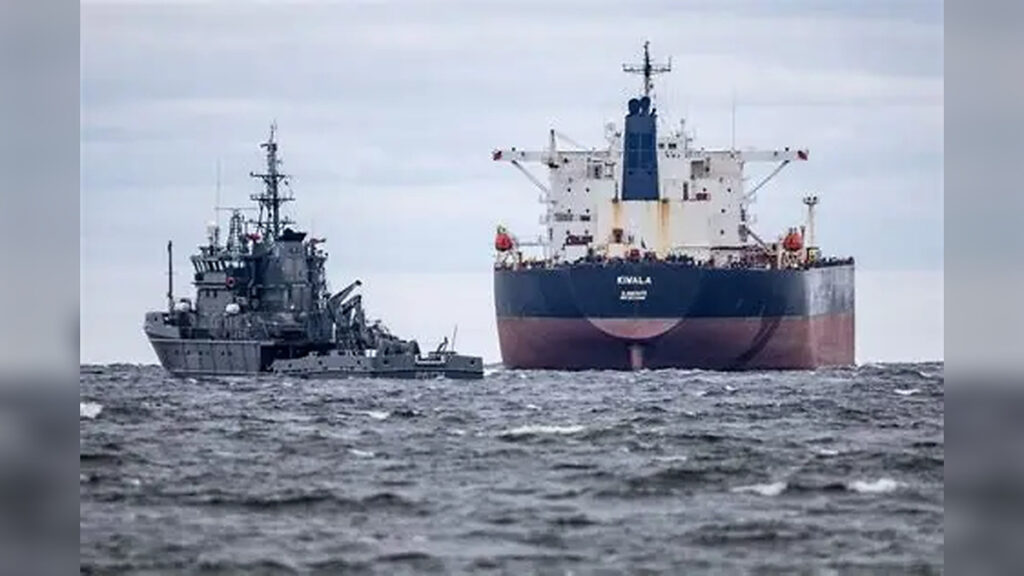
Berlin also plans to intensify pressure on Russia’s so-called shadow fleet, a term commonly used for networks of vessels associated with circumventing restrictions placed on Russian energy exports.
Intelligence and defence cooperation to continue
Alongside diplomatic and economic pressure, Germany plans to deepen intelligence and defence cooperation with its allies.
Wadephul said Berlin would continue coordinating with NATO and the European Union as it responds to security threats.
Germany also intends to strengthen its own defence capabilities while maintaining support for Ukraine.
The foreign minister said these measures were necessary to prevent Russia from weakening Germany’s security and social cohesion.
Russian ambassador summoned
Germany has summoned the Russian ambassador following the Leipzig incident, adding another diplomatic dimension to Berlin’s response.
Wadephul said the government wanted Moscow to understand that Germany would not tolerate attempts to undermine its security or intimidate its population.
He insisted that the country remained secure and capable of defending itself against actors seeking to create instability.
Berlin warns against division and intimidation
The German government has also framed the response as an effort to protect the country’s internal cohesion.
Wadephul said Berlin would not allow alleged Russian attacks to divide German society or intimidate the population.
He stressed that Germany would continue working with its allies whenever necessary to protect its citizens and partners.
The foreign minister’s remarks underline the extent to which Berlin now views the threat from Moscow as extending beyond conventional military confrontation.
Ukraine remains central to Germany’s policy
Despite the latest measures against Russia, Germany says it remains committed to pursuing peace in Europe.
Wadephul reaffirmed Berlin’s support for Ukraine as the country continues defending itself against Russia’s invasion.
He said Germany would maintain its solidarity with Ukraine and continue supporting its efforts to resist what Berlin describes as Russia’s war of aggression.
What’s next?
Germany’s next steps are likely to focus on coordinating its response with the EU and NATO, particularly over proposed sanctions and efforts to target Russia’s shadow fleet.
The closure of the Bonn consulate and termination of the Russian House lease will also further reduce Moscow’s official presence in Germany.
At the same time, Berlin is expected to continue strengthening its intelligence and defence partnerships while maintaining military and political support for Ukraine.
Summary
Germany has responded to what it describes as a Russian hybrid attack involving drones at Leipzig Airport by ordering the closure of Russia’s Consulate General in Bonn and taking additional measures against Moscow.
Berlin is also seeking new EU sanctions, increasing pressure on Russia’s shadow fleet and strengthening cooperation with its allies.
While Germany says it does not want further deterioration in relations with Russia, Wadephul made clear that the government intends to take a firm stance against actions it believes threaten German and European security.

