
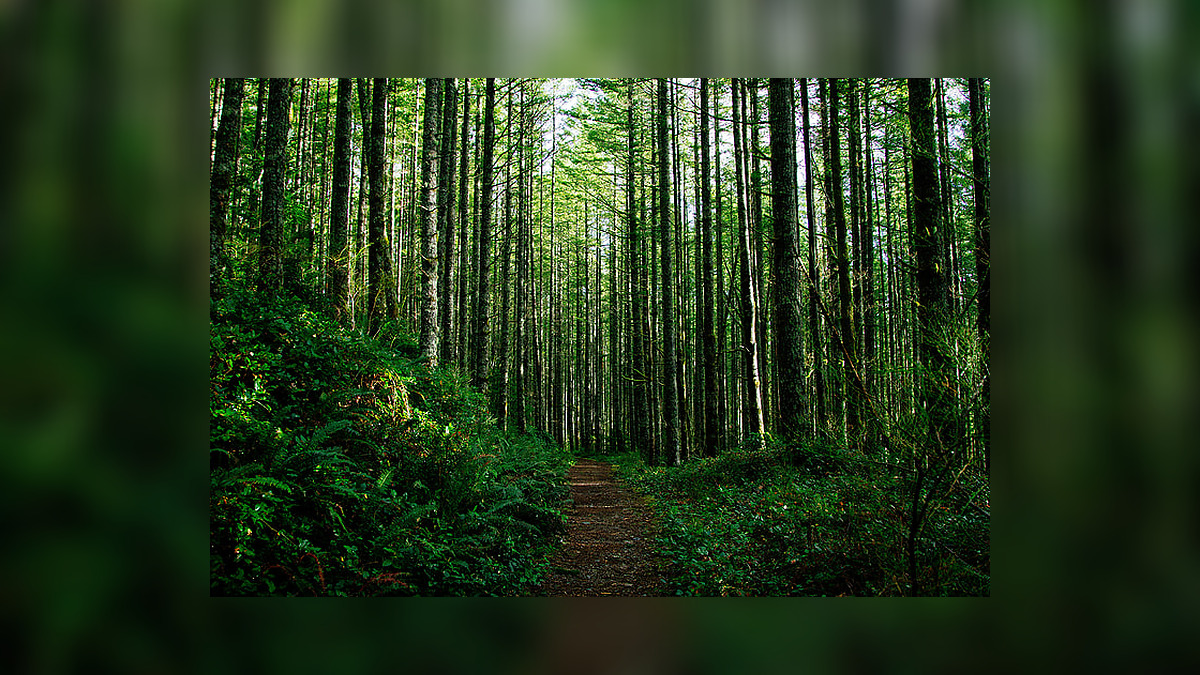
A walk through a forest may offer more than a break from city life. Known in Japan as shinrin-yoku, or forest bathing, spending time among trees has been associated with physiological changes involving stress, blood pressure and the body’s nervous system.
The approach, sometimes described as silvotherapy, focuses on exposure to the natural compounds released by trees and plants, as well as the broader environment created by forests.
It is not considered a replacement for conventional medical treatment, but proponents argue that time spent in suitable natural surroundings can complement recovery and relaxation.
Why Forest Air Is Considered Different
One of the main explanations for the reported effects of forest environments involves volatile organic compounds released by vegetation.
Substances including pinene and limonene are among the compounds found in the air around many trees. The source article describes these phytoncides as having antioxidant and anti-inflammatory properties and suggests that breathing forest air may influence stress responses.
Forest environments may also differ from urban areas in humidity, air pollution, sound levels and exposure to natural light, all of which can affect how people feel physically and psychologically.
General practitioner Elena Morozova, quoted in the source, said the forest environment could reduce activity in the sympathetic nervous system, potentially creating conditions that complement medical treatment.
Not Every Forest Has the Same Environment
The type of vegetation, temperature and seasonal conditions can influence the environment people encounter during a forest walk.
Birch forests, for example, are described in the source as having relatively low concentrations of airborne microorganisms. The article suggests that this may make such environments suitable for people seeking a calmer setting, although individual medical conditions still need to be considered.
Oak woodland is presented as another option, particularly during recovery following illness. The source attributes potential benefits to compounds found in oak leaves and bark, including tannins and catechins.
Coniferous forests, meanwhile, contain aromatic compounds released by pine and juniper trees. These environments may be pleasant for many people, but the source warns that hot weather and concentrated plant emissions could be uncomfortable for some individuals.



Heat Can Change the Experience of a Pine Forest
Temperature is an important consideration when spending time in wooded areas.
The source warns that high temperatures can increase the concentration of certain resinous and terpene compounds around coniferous trees. Cardiologist Valeriy Klimov advises people with hypertension to be particularly attentive to symptoms such as dizziness or a feeling of pressure or heaviness in the head.
Anyone who develops concerning symptoms during a forest walk should stop the activity and seek appropriate medical advice rather than attempting to push through them.
How Long Should a Forest Walk Last?
The source suggests that even 20 to 30 minutes outdoors may provide an initial opportunity to relax, while recommending at least two hours of forest exposure per week as a broader routine.
However, there is no universally established medical “dose” of forest bathing that applies to everyone.
Longer exposure is not automatically better. People with allergies, asthma or sensitivity to particular plants may experience symptoms rather than benefits, particularly in areas with high concentrations of pollen or other biological particles.
Therapist Anna Kuznetsova, quoted by the source, compares adapting to a natural environment with gradual physical conditioning, suggesting that people who are not accustomed to wild forests should increase exposure progressively.
When Forest Walks May Require Extra Caution
A natural setting is not automatically medically safe for every person.
The source specifically advises caution for people with severe bronchial asthma, decompensated ischemic heart disease and acute kidney disease.
People with cardiovascular or respiratory conditions should consider their individual medical circumstances before undertaking strenuous or prolonged walks, particularly during hot weather.
Symptoms such as chest pain, severe shortness of breath, fainting, significant dizziness or sudden weakness require prompt medical attention.
The Forest Should Complement, Not Replace, Treatment
The appeal of forest bathing lies partly in its simplicity: walking, resting and spending time away from highly urbanised surroundings can provide an opportunity for physical activity and relaxation.
However, claims that forest compounds can treat specific diseases should be treated cautiously. Forest walks cannot substitute for prescribed medication, medical monitoring or other evidence-based treatment.
For most people, the practical value may simply be the combination of gentle activity, time outdoors and reduced exposure to the stresses of everyday urban environments.
Choosing the Right Setting Matters
A quiet birch or oak woodland may provide a different experience from a hot pine forest, while factors such as pollen levels, temperature, air quality and the intensity of the walk can all affect an individual’s response.
Rather than viewing one type of forest as universally therapeutic, people can choose environments that match their physical condition, comfort level and the season.
The broader message is straightforward: spending time in nature can be a useful part of a healthy lifestyle, but its effects vary between individuals and should be considered alongside established medical care.

