
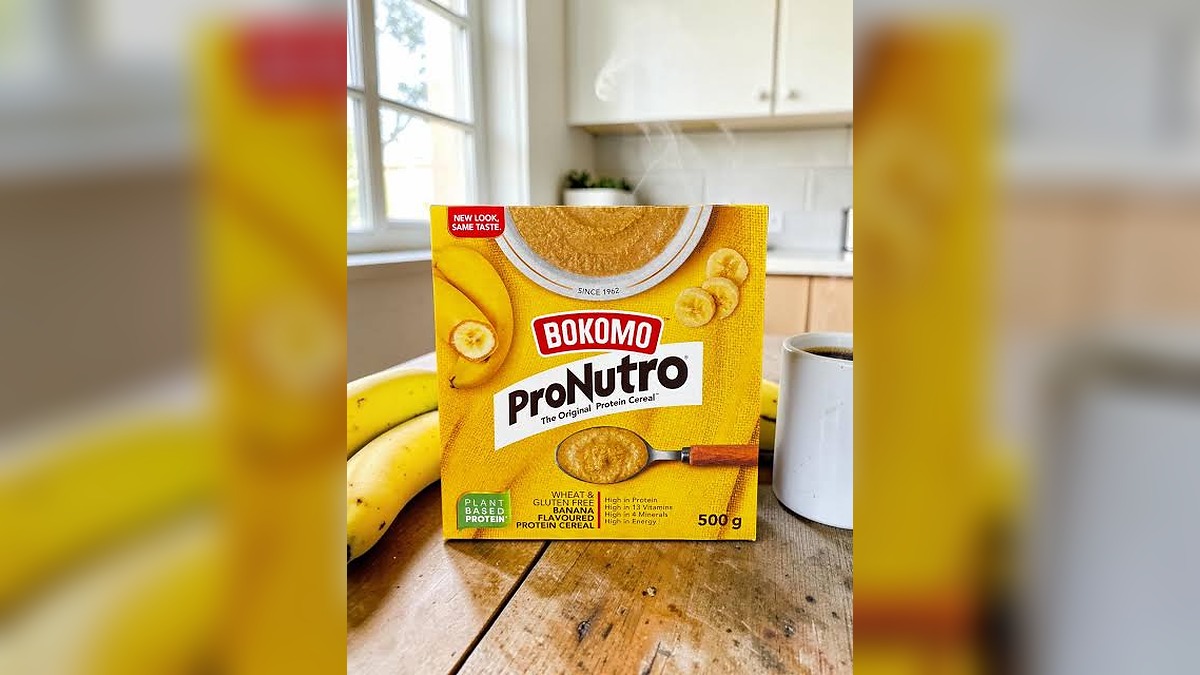
The disappearance of ProNutro from store shelves has sparked an unexpected global hunt, with South Africans living at home and abroad trying to locate some of the last remaining boxes of the much-loved breakfast cereal.
The South African staple was officially discontinued after PepsiCo announced last week that production would come to an end, prompting a wave of nostalgia and concern among consumers who have grown up eating the cereal.
For many expatriates, the hunt has now become a race to find whatever stock remains in shops around the world.
Expats Reveal Where They Found Their Last Boxes
UK-based South African food company Biltong & Bangers has joined the search by asking its international followers to report where they have spotted remaining supplies.
The business, owned by South African expats Nigel Biffen and Heath Dixon, described the effort as a “global ProNutro stocktake”.
The company asked followers to reveal how much of the cereal was still available and where it could be found.
Responses quickly highlighted just how far ProNutro has travelled beyond South Africa.
South Africans reported finding boxes in locations including Cape Town, the Czech Republic, Maryland in the United States, Bristol in the UK, Germany, Australia and Saudi Arabia.
A Last-Minute Bid to Save the Brand
The stock search follows a more ambitious proposal from Biltong & Bangers.
After news of the discontinuation emerged, the company publicly approached PepsiCo about potentially purchasing the ProNutro brand.
Its proposal went beyond simply acquiring the name. Biltong & Bangers said it was interested in the original recipe, relevant intellectual property, production expertise and equipment associated with the cereal.




The company argued that there was still strong demand for the product among South Africans and suggested that production could potentially continue in South Africa.
Company Wants ProNutro to Remain South African
Biltong & Bangers said it believed local manufacturers and food industry professionals could potentially work together to revive production and keep the cereal’s South African identity intact.
The company also highlighted the potential for local manufacturing to create jobs.
Its public appeal effectively served as an expression of interest to PepsiCo, inviting the multinational company to make contact if it was prepared to sell the brand and associated assets.
There has been no indication in the information provided that PepsiCo has accepted the proposal.
Discontinuation Sparks Nostalgia
ProNutro’s withdrawal has generated strong reactions among South Africans who associate the cereal with childhood breakfasts and everyday family life.
The international stocktake has demonstrated that the product’s popularity extends well beyond the country’s borders, with expatriate communities still searching for supplies thousands of kilometres from South Africa.
The hunt has also turned remaining boxes into something of a nostalgic commodity for consumers who are reluctant to see the familiar product disappear.
ProNutro Joins List of Discontinued South African Favourites
The cereal is not the first familiar South African food product to disappear from shelves.
Bokomo’s Maltabella, a malted sorghum porridge that had been sold for more than five decades, was discontinued in 2024.
Other products that have also been discontinued include Kellogg’s Frosties and Corn Flakes with Honey, which were withdrawn in 2019.
Several other well-known grocery products have also disappeared over the years, including Bokomo Rusks, Redro Fish Paste, Peck’s Anchovette and Nesquik milk powder.
The Search Continues for the Final Boxes
For now, ProNutro fans are relying on remaining retail and export stock as they look for their next box.
The reports coming from South Africans in countries across Europe, North America, the Middle East and Australia suggest that supplies may still be scattered across international stores.
Meanwhile, Biltong & Bangers’ approach to PepsiCo has opened another possibility: that the cereal could potentially continue under new ownership.
Until that happens, however, South Africans around the world are left searching for the last boxes of a breakfast product that has become deeply associated with home.

