
Nigeria is taking a bold step toward reshaping how it spends public money, placing nature and climate concerns at the heart of its financial decisions.
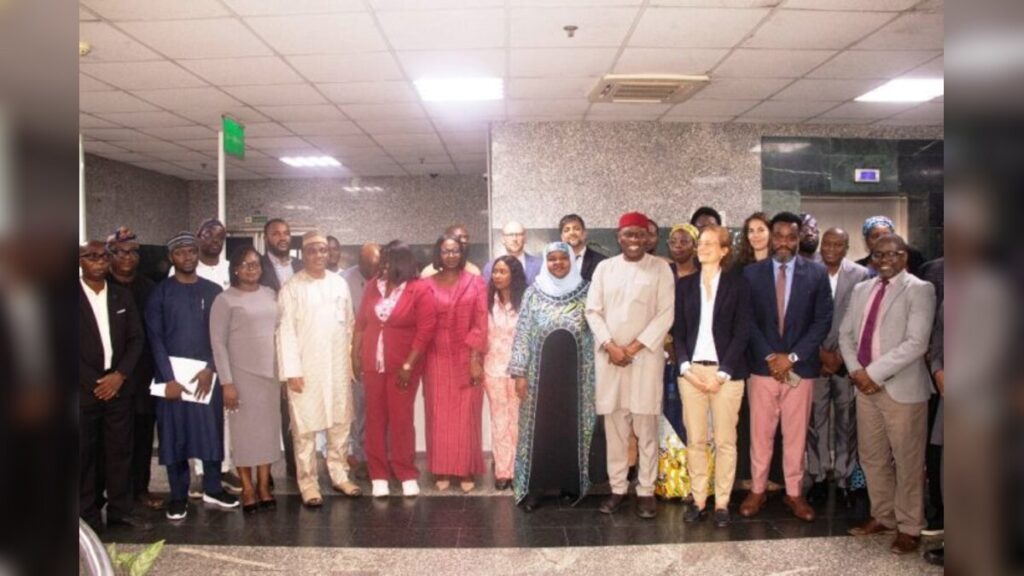
At a high-level gathering in Abuja, the Federal Government unveiled a new initiative designed to ensure that biodiversity protection is no longer treated as an afterthought but as a core economic priority.
The newly launched “Fast Tracking Transformation through Sustainable Public Finance for Biodiversity Project” signals a shift in how government budgets, policies, and long-term economic plans will be structured going forward.
A Financial System Rethink
Officials made it clear that this isn’t just another environmental program—it’s a rethink of Nigeria’s entire public finance framework.
Representing the Permanent Secretary of the Federal Ministry of Finance, Mr. Raymond Omachi, Director of International Economic Relations, Mr. George Nyeso Stanley, described the project as both urgent and strategic.
His message was straightforward: Nigeria must stop limiting its climate and biodiversity commitments to paper and start embedding them into how money is raised, allocated, and spent.
According to him, biodiversity is not just about wildlife or conservation—it’s a vital economic resource that supports agriculture, livelihoods, and national resilience.
Ignoring it in financial planning, he suggested, would come at a steep cost.
Growing Environmental and Economic Pressures
Nigeria is currently juggling multiple challenges.
On one hand, there are rising environmental threats like land degradation, biodiversity loss, and climate change.
On the other, the country faces competing financial demands that stretch public resources thin.
Government officials warned that these environmental issues are no longer distant concerns—they are actively threatening economic stability and long-term development.
This reality is what makes the new project particularly significant.
Rather than treating biodiversity as a separate environmental issue, the initiative aims to weave it directly into fiscal policies and national planning processes.



Why Coordination Across Ministries Matters
One recurring theme at the launch was the need for collaboration.
Officials stressed that no single ministry can successfully drive this kind of transformation alone.
That’s where the newly inaugurated Inter-ministerial Project Steering Committee comes in.
The committee is expected to provide direction, ensure policies are aligned across sectors, and oversee the project’s execution.
Members have been tasked with improving coordination, strengthening resource mobilization, and ensuring that sustainability goals are reflected across government operations.
International Backing and Global Collaboration
The project is not happening in isolation.
It is part of a broader international effort involving countries like Brazil, Costa Rica, and Indonesia, all working to integrate sustainability into their financial systems.
Dr. Karin Jansen of the German Embassy, who serves as Co-Chair, highlighted that the initiative will not only improve Nigeria’s environmental outcomes but also boost infrastructure development, create jobs, and enhance livelihoods.
Support is also coming from global organizations such as the United Nations Environment Programme and GIZ Nigeria and ECOWAS, with funding provided through the German Government’s International Climate Initiative.
Building a Platform for Inclusive Growth
Adding to the conversation, Mr. Duke Benjamin of GIZ emphasized that the project creates an opportunity for stronger partnerships and collective action.
He pointed out that integrating environmental sustainability into public finance isn’t just about conservation—it’s about achieving inclusive economic growth and ensuring long-term stability.
This approach positions sustainability as a driver of development rather than a constraint.
Impact and Consequences
If successfully implemented, the project could reshape Nigeria’s economic landscape in several ways:
- Public spending will become more aligned with environmental protection goals
- Economic planning will factor in long-term sustainability risks
- Job creation could increase through green infrastructure and eco-friendly investments
- Nigeria may strengthen its global standing in climate and sustainability commitments
However, the success of the initiative will depend heavily on coordination across ministries and consistent political will.
What’s Next?
The immediate focus will be on operationalizing the Steering Committee and ensuring that its directives translate into actionable policies.
Government agencies are expected to begin integrating biodiversity considerations into budgeting processes, while development partners will continue providing technical and financial support.
Over time, progress will likely be measured by how effectively sustainability principles are reflected in national budgets and economic outcomes.
Summary
Nigeria has launched a major reform initiative aimed at aligning its financial systems with biodiversity and climate priorities.
By embedding sustainability into fiscal policies and economic planning, the government hopes to protect natural resources while strengthening long-term economic resilience.
The creation of a multi-ministerial steering committee and collaboration with international partners signal a serious commitment—but execution will be the true test.
Bulleted Takeaways
- Nigeria is integrating biodiversity into its public finance system
- A new inter-ministerial committee will oversee implementation
- The project is backed by international partners and funding
- Environmental sustainability is now being treated as an economic priority
- Success will depend on coordination, policy alignment, and long-term commitment
