
Exorcism Requests Reportedly Increasing
A lay adviser involved in cases of alleged demonic activity in the United States says requests for exorcism-related assistance have increased significantly in recent years.
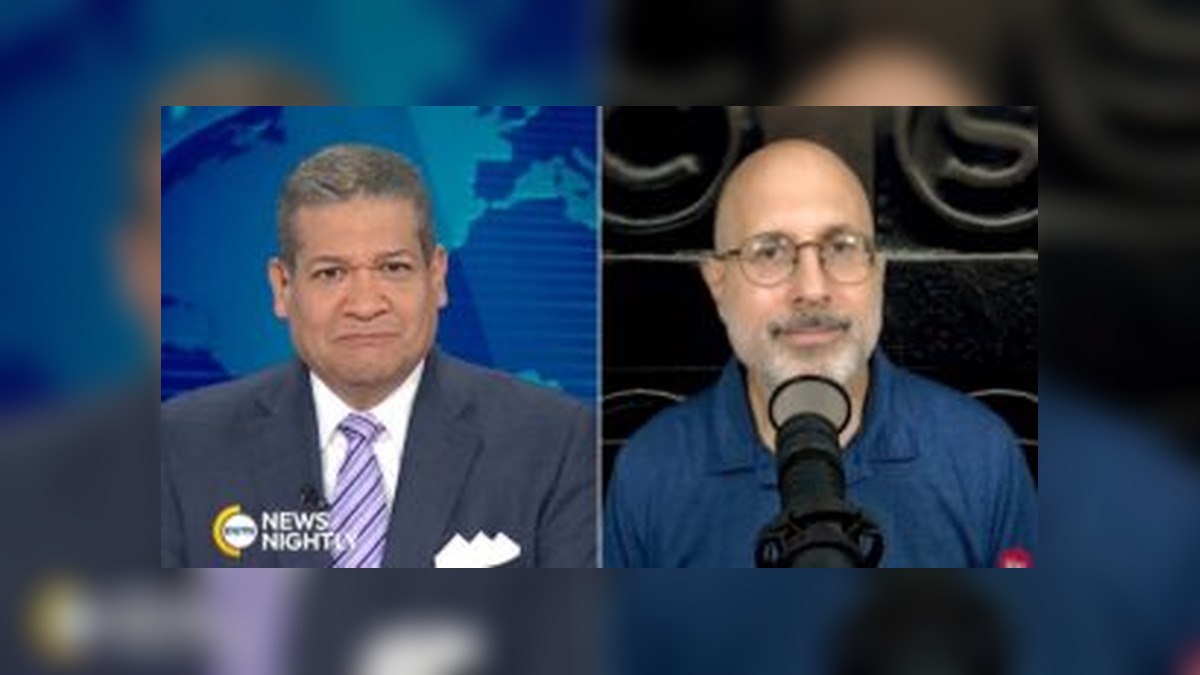
Adam Blai, who advises the Diocese of Pittsburgh and is a lay member of the International Association of Exorcists, said the number of cases his team encounters has risen sharply over the past five to eight years.
Speaking to EWTN News Nightly on October 1, Blai said he and his colleagues regularly pray with people seeking help, while exorcists he works with across the country have also reported being exceptionally busy.
“For some reason, there’s an increase,” Blai said, while describing the growth in the ministry as something he believes has also created opportunities for the Church to provide spiritual support.
Blai Warns Against Occult Practices
Blai, who also teaches priests about exorcism at the Pope Leo XIII Institute at Mundelein Seminary in Illinois, said people should be cautious about practices that the Catholic Church associates with the occult.
He specifically mentioned activities such as divination, Ouija boards and attempts to communicate with spirits.
According to Blai, people can place themselves in situations they perceive as spiritually dangerous when they seek supernatural information or experiences outside their faith.
He argued that the desire for answers, comfort or certainty should instead be directed toward God and traditional religious practices.
Church Distinguishes Spiritual Claims From Medical Conditions
Despite his views on alleged demonic activity, Blai stressed that not every unusual or disturbing experience should be interpreted as evidence of possession.
He said the Church has developed procedures for carefully examining cases before any exorcism prayers are considered.


The process, he explained, involves distinguishing between possible spiritual concerns, medical or psychological conditions, misunderstandings and cases where claims of possession may not be genuine.
Blai particularly cautioned against immediately treating people with mental illnesses as though they were experiencing supernatural attacks.
He warned that performing dramatic exorcism prayers over someone experiencing delusions could potentially reinforce those beliefs rather than help the individual.
Bishops Control Access to Formal Exorcism Rites
Blai also explained that Catholic priests do not automatically have permission to perform formal exorcisms simply because they have been ordained.
While priests possess the sacramental authority associated with their ordination, Blai said a bishop must authorise a priest to use the Church’s formal exorcism rite on a particular person.
He described the bishop’s role as an important safeguard within the process.
A priest may be considered particularly suitable because of his spiritual life, character or ability to discern difficult situations, but Blai said those qualities alone do not grant permission to perform the rite.
Support Teams Play a Role in Exorcism Ministry
According to Blai, priests involved in the ministry may also rely on other people with different skills and forms of support.
He said some priests may possess strong abilities in spiritual discernment, while others involved in a case can contribute expertise or assistance in other areas.
Blai believes that the Church’s approach recognises the need for a broader support structure rather than placing the entire responsibility on one priest.
He said he believes religious faith and the wider Christian community can provide the necessary support around an authorised exorcist.
A Sensitive Area Requiring Caution
The reported increase in requests comes as exorcism remains a sensitive subject within the Catholic Church, where claims of supernatural activity are generally subjected to careful examination.
Blai’s comments highlight the tension between taking people’s spiritual concerns seriously and avoiding conclusions that could overlook medical or psychological explanations.
For the Church, the distinction is significant: claims of possession cannot simply be assumed based on unusual behaviour or personal experiences.
Instead, according to Blai, cases require discernment, appropriate professional consideration and, where formal exorcism is deemed necessary, authorisation from the relevant bishop.
The approach reflects an effort to balance religious beliefs with caution when dealing with people who may be experiencing serious and potentially complex difficulties.

