
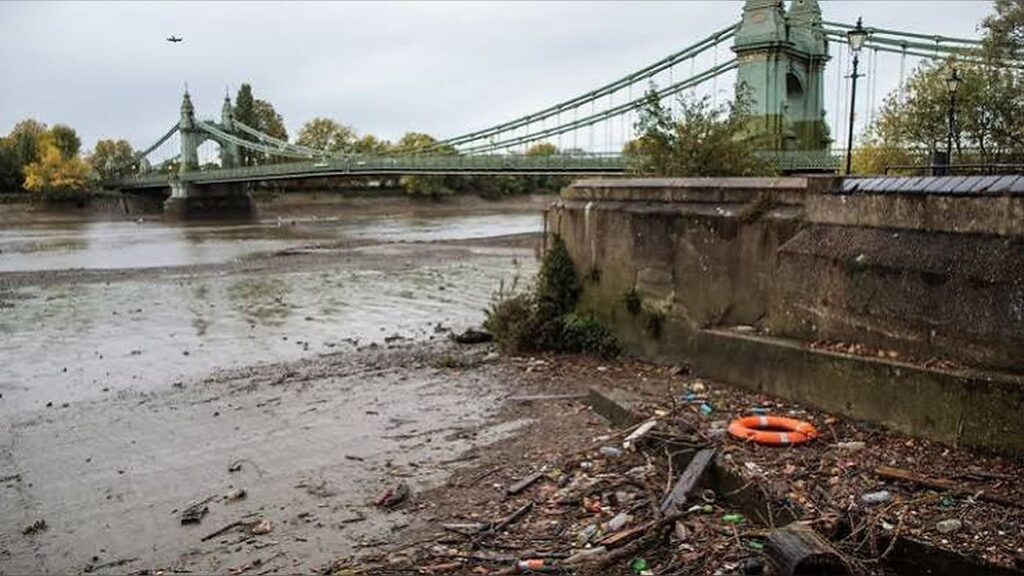
England’s rivers, lakes and coastal waters continue to face serious environmental challenges, with the latest nationwide assessment revealing only a small proportion are in good ecological health.
The findings highlight that despite years of policy commitments and major investment plans, overall progress has been limited.
The new report from the Environment Agency marks the first comprehensive review of England’s waterways in six years and paints a concerning picture of water quality across the country.
Only a Small Share of Rivers and Lakes Meet Ecological Standards
According to the assessment, just 15% of England’s rivers have achieved a “good” ecological status, while fewer than 7% of lakes reached the same standard.
Coastal and inland waters also continue to struggle to meet environmental expectations.
Even more striking, none of the country’s rivers, lakes or coastal waters passed the separate assessment for chemical pollution, underscoring the scale of contamination affecting aquatic ecosystems.
Phosphate Pollution Remains the Biggest Threat
The report identifies phosphate pollution as one of the most persistent environmental problems.
The nutrient, which largely comes from sewage discharges and agricultural runoff, continues to exceed safe limits in roughly half of England’s rivers.
Excess phosphate fuels the rapid growth of algae and aquatic plants, reducing oxygen levels in the water and harming fish, insects and other wildlife.
Scientists have long warned that this process, known as eutrophication, can severely damage entire river ecosystems.
Government Faces Growing Pressure Over Missed Targets
The findings add to concerns that England is falling behind on legally binding environmental commitments.
The government has set a target of restoring 77% of England’s waters to good ecological status by 2027, but current trends suggest that goal is unlikely to be achieved.
The Office for Environmental Protection has already warned that the target could be missed by a substantial margin and is investigating both the government and the Environment Agency over potential failures to meet legal obligations.
Responding to the report, Environment Secretary Angela Eagle acknowledged that the figures demonstrate the need for major reform across the water sector.
She said recently introduced legislation is intended to strengthen accountability for water companies while ensuring investment is properly tracked and focused on public benefit.
Campaigners Say Farming Pollution Deserves Equal Attention
Although sewage spills by water companies have dominated public debate in recent years, environmental groups argue that agricultural pollution is equally damaging and often receives far less scrutiny.




River Action campaigner Erica Popplewell highlighted the impact of intensive poultry farming, particularly in river catchments such as the Wye and Severn.
She warned that large volumes of chicken waste entering waterways contribute heavily to nutrient pollution, damaging fragile ecosystems and accelerating river degradation.
Campaigners are urging ministers to tackle pollution from farming with the same urgency applied to sewage discharges.
More Than Sewage Is Affecting England’s Water Quality
The Environment Agency noted that water pollution comes from a wide range of sources beyond wastewater. These include fuel spills, garden pesticides, contaminated road runoff and microplastics carried into rivers during rainfall.
Officials also cautioned against making direct comparisons with the 2019 assessment because changes to monitoring methods, particularly for lakes, have altered how ecological status is measured.
The agency said much of the apparent decline in lake ratings reflects updated assessment techniques rather than a sudden deterioration in water quality.
Environment Agency Chair Alan Lovell acknowledged that many waterways still fall well below desired standards but said the organisation is expanding its enforcement efforts with its largest workforce to date.
Scientists Warn Reality Could Be Worse Than Official Figures
Some experts believe the official classifications may actually underestimate the extent of environmental damage.
Professor Penny Johnes, a water quality specialist at the University of Bristol, argued that the current monitoring system fails to capture the full picture because too few pollutants are measured and testing is carried out too infrequently.
She said important contaminants, including nitrogen compounds and several emerging pollutants, are not adequately monitored despite their known role in river degradation.
According to Prof Johnes, England’s waterways are not healthier today than they were six or seven years ago.
Drought and Climate Change Could Make Pollution Even Worse
The report comes as much of England experiences official drought conditions, with river levels falling significantly and hosepipe bans affecting more than 20 million people.
Lower water levels reduce rivers’ ability to dilute pollutants, leaving fish and other aquatic species exposed to higher concentrations of harmful substances.
Scientists warn that increasingly hot, dry summers linked to climate change are likely to intensify these problems in the years ahead.
Chemical Pollution Continues to Challenge Regulators
Every monitored river and lake also failed chemical pollution standards.
The Environment Agency attributed much of this to long-lasting contaminants such as heavy metals left behind by historic mining activity, many of which remain in the environment for decades.
However, scientists argue newer chemicals also pose a growing risk.
These include antibiotics and PFAS, often referred to as “forever chemicals” because they persist in the environment for extremely long periods.
Currently, 23 enforcement notices require water companies to reduce PFAS contamination to help protect public health.
Water UK, representing the water industry, has supported restrictions on PFAS use while highlighting that the chemicals remain common in thousands of everyday products.
Billions Committed but Long Road Ahead
Water companies say they are investing a record £22 billion in environmental improvements through 2030, with projects aimed at reducing sewage discharges, protecting water supplies and improving rivers and coastal waters.
The Environment Agency also noted that several European countries report even lower proportions of waterways in good ecological condition than England.
However, experts caution that direct international comparisons are difficult because different countries use different monitoring methods.
For now, the latest assessment suggests that while investment and enforcement efforts are increasing, England’s waterways continue to face significant environmental pressures, leaving the country with a long journey toward restoring healthy rivers, lakes and coastal ecosystems.

