
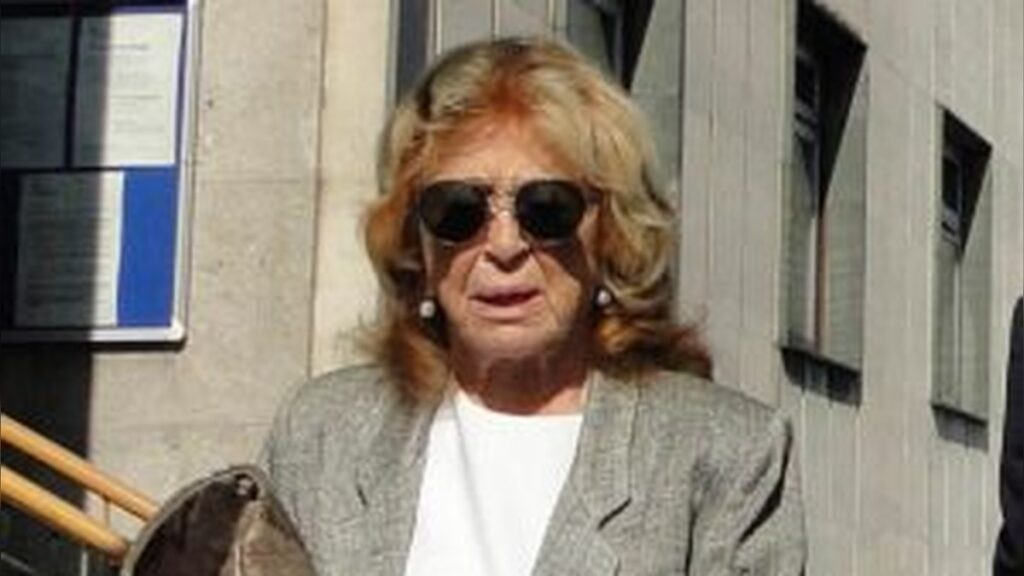
Best-selling crime novelist Lynda La Plante has been disqualified from driving for six months after a court rejected her emotional appeal to avoid a ban, despite her insistence that losing her licence would effectively end both her writing career and her ability to care for her beloved dog.
The 83-year-old author became visibly emotional while addressing magistrates, arguing that being unable to drive would severely affect both her professional life and personal wellbeing.
Author Says Driving Is Essential for Crime Research
During the hearing at Lavender Hill Magistrates’ Court in London, La Plante explained that driving is far more than a convenience for her.
She told the court it is a crucial part of researching the crime novels that have made her one of Britain’s most successful writers.
According to La Plante, she regularly meets former offenders, prison contacts, and other sources in locations chosen by them, including motorway service stations, prisons, homeless shelters and theatres.
She argued that these meetings are essential to maintaining the authenticity of her work and often take place in places that are difficult to access without a car.
She also rejected the idea of hiring a chauffeur, saying she values the quiet journey home after interviews to process conversations and develop story ideas.
Emotional Testimony Focuses on Beloved Dog Theo
Much of La Plante’s evidence centred on Theo, her 18-month-old guard dog, whom she said has played a vital role in helping her recover from the loss of her previous dog, Hugo.
Fighting back tears, the acclaimed writer described Hugo’s death as devastating and said Theo had brought comfort during an incredibly difficult period.



She explained that she drives Theo to open countryside between Roehampton and Wimbledon for daily exercise and training sessions, insisting nearby alternatives such as Richmond Park are unsuitable because of heavy foot traffic and wildlife that could distract the young dog.
La Plante even suggested she might have to rehome Theo if she could no longer transport him safely for his daily routine, something she feared would have a profound emotional impact and leave her unable to continue writing.
Multiple Speeding Offences Led to Court Appearance
The case stemmed from five separate speeding offences committed between November 2025 and April 2026 near La Plante’s home in Kingston-upon-Thames.
She admitted exceeding a 20mph speed limit on each occasion, with recorded speeds ranging from 24mph to 27mph while driving Theo to his walks.
The court also heard that she already had nine penalty points on her licence from three earlier speeding convictions in 2023 and 2025, leaving her at risk of automatic disqualification.
Lawyer Argues Ban Would Affect Employees
Representing La Plante was celebrity motoring lawyer Nick Freeman, widely known as “Mr Loophole,” who argued that driving formed an essential part of the author’s daily life and professional responsibilities.
He maintained that disqualifying her would create exceptional hardship, pointing out that her writing business employs four members of staff whose jobs could be affected if she decided to stop working.
Ahead of the hearing, Freeman also questioned the clarity of road signage on the stretch of road where the offences occurred, suggesting La Plante had been concentrating on driving safely rather than intentionally exceeding the limit.
Magistrates Reject Request for Leniency
Despite the emotional evidence, the magistrates concluded that La Plante had not demonstrated the level of exceptional hardship required to avoid a mandatory driving ban.
The court imposed a six-month disqualification after her penalty points increased to 24.
In addition, she received fines totalling £3,330, was ordered to pay £130 in court costs and a victim surcharge of £1,332.
Celebrated Career Continues Despite Setback
La Plante is one of Britain’s most celebrated crime writers, having created the groundbreaking television series Prime Suspect, starring Dame Helen Mirren, along with the acclaimed drama Widows.
Awarded a CBE in 2008 for her contributions to literature, drama and charity, she told the court she currently has four books in development, including a project examining the Government’s controversial early prison release programme.
Although she argued that losing her licence could bring her writing career to an end, the court ruled that the legal threshold for avoiding a driving ban had not been met, leaving the renowned novelist to face six months off the road.

