
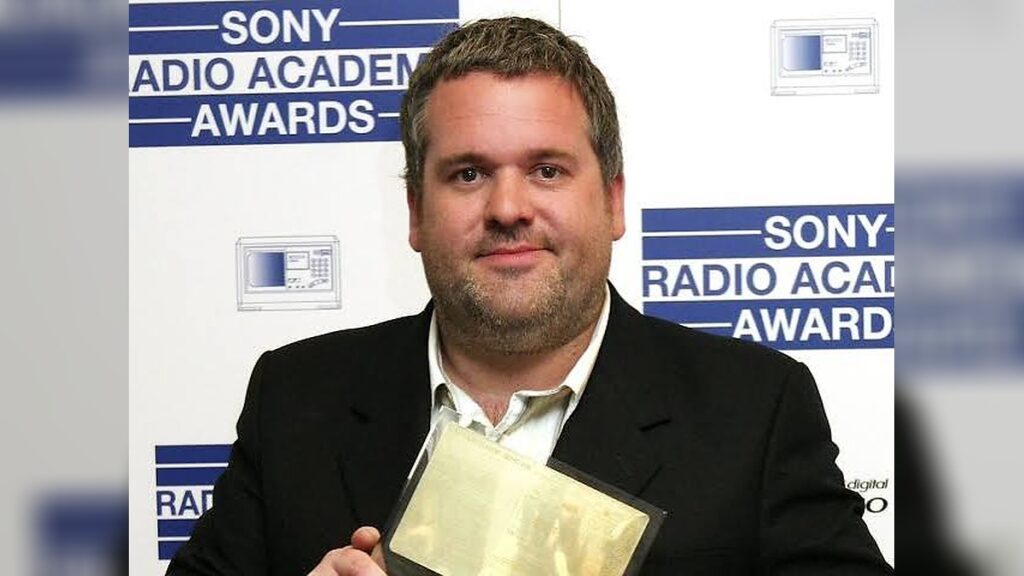
Radio presenter Chris Moyles is facing renewed criticism over claims about his conduct during his years as one of the BBC’s most influential broadcasters, with former colleagues increasingly speaking out about what they describe as a difficult and intimidating workplace culture surrounding his tenure at Radio 1.
Moyles, who hosted Radio 1’s flagship Breakfast Show between 2004 and 2012, famously reflected on his departure by repeatedly saying, “We have had the best time ever.”
While the broadcaster appeared to be referring to the team that helped deliver the programme, some former BBC staff members now argue that the experience was far from enjoyable for many who worked alongside him.
Former Staff Describe Difficult Working Environment
According to individuals who worked at the BBC during Moyles’s reign, the presenter’s behavior behind the scenes often left colleagues feeling belittled and uncomfortable.
One former employee alleged that Moyles regularly embarrassed staff and created an atmosphere where people felt uneasy.
The source claimed that his conduct went beyond the “lad banter” often associated with British media culture during the 2000s, describing it instead as unnecessarily harsh and disruptive.
The same former colleague suggested that while Moyles could be personable with those he favored, a close-knit group of loyal supporters often shielded him from criticism, helping normalize behavior that others found unacceptable.
Long-Running Criticism Over Treatment of Nicola Roberts
Among the most public controversies connected to Moyles’s broadcasting career was his repeated criticism of Girls Aloud singer Nicola Roberts.
Over several years, Roberts was subjected to mocking comments and insulting nicknames on air.
The singer later spoke about the impact the remarks had on her self-esteem, revealing that the persistent ridicule damaged her confidence and altered the way she viewed herself.
Her comments have since become one of the most frequently cited examples of the style of broadcasting that critics argue crossed the line between humor and bullying.
Greg James Recalls Early Encounters at Radio 1
More recently, current Radio 1 Breakfast Show presenter Greg James reflected on his experiences with Moyles after arriving at the station in 2007.
In his memoir, James described being labeled “the posh student” by Moyles shortly after joining the network.
Although intended as a joke, James wrote that he found the nickname frustrating because it was based on assumptions about his background rather than any real understanding of his upbringing.
James explained that he felt reduced to a stereotype and was surprised by the treatment from someone who was expected to serve as a mentor within the station.
Exit From Radio 1 Marked End of an Era
Moyles’s eight-year run on the Breakfast Show came to an end in 2012 when Radio 1 controller Ben Cooper informed him that he would be replaced by Nick Grimshaw.
The decision sparked frustration from Moyles, who later said he believed the BBC mishandled his departure.




He also expressed irritation at suggestions that his age had been a factor in the decision and pointed to the challenges Grimshaw later faced with audience figures.
Although BBC executives initially discussed the possibility of another role for him within the corporation, Moyles eventually left the broadcaster altogether and stepped away from radio for several years.
Career Continued at Radio X
After his departure from the BBC, Moyles returned to broadcasting in 2015 as host of the Breakfast Show on Radio X.
Several former members of his Radio 1 team joined him at the station, including producer Pippa Taylor and newsreader Dominic Byrne.
He remains a prominent voice on Radio X today, even as criticism surrounding his past behavior continues to resurface.
Historic Charlotte Church Remarks Return to Spotlight
Another controversy attracting renewed attention involves comments Moyles made about singer Charlotte Church when she was still underage.
A clip from 2002 has circulated again in recent years, showing the presenter joking about taking Church’s virginity once she turned 16.
At the time, the remarks were widely viewed by some as part of the provocative “lad culture” that dominated sections of British entertainment.
Church later confronted Moyles directly about the comments during an appearance on her Channel 4 programme.
Rather than retracting the remarks, Moyles defended them during the exchange, describing the original statement as a form of “sweet” proposal.
The incident has since become another example cited by critics who argue that behavior once dismissed as comedy should be reassessed through a modern lens.
Memoir Revealed Presenter’s Self-Assessment
In his 2006 autobiography, The Gospel According to Chris Moyles, the broadcaster acknowledged that many people viewed him as difficult.
Moyles argued that his on-air persona was intentionally provocative and distinct from his private character.
He insisted that listeners often confused the exaggerated radio personality with the person behind the microphone.
The book also contained comments about colleagues and women that critics have pointed to as evidence of attitudes that would likely attract stronger scrutiny today.
Tina Daheley Speaks About Her Experience
Former Breakfast Show sports reader Tina Daheley also publicly discussed her experiences working with Moyles.
Daheley, who appeared on the programme between 2010 and 2012, said she often found herself the target of jokes relating to her appearance and ethnicity.
She recalled occasions when assumptions were made about her personal life and dating preferences based on stereotypes.
The broadcaster later reflected that the environment had become so uncomfortable that she would not have wanted certain family members to witness the show’s behind-the-scenes culture.
According to Daheley, a conversation with Prince William later helped her recognize how unusual some of the treatment had been.
She also praised Nick Grimshaw’s leadership after taking over the Breakfast Show, arguing that he helped create a more inclusive atmosphere and reduced the sense that star presenters were beyond criticism.
Past Conduct Draws Modern Reassessment
As more former colleagues share their experiences, Moyles’s years at Radio 1 are increasingly being revisited through the lens of changing workplace standards and attitudes toward media conduct.
While many of the incidents date back more than a decade, critics argue they should not simply be dismissed as products of their era.
Instead, they believe the growing number of accounts from former colleagues raises broader questions about workplace culture, accountability, and the kinds of behavior that were once tolerated within British broadcasting.
For Moyles, whose broadcasting career continues today, the renewed attention suggests that controversies from the past remain an active part of the public conversation surrounding his legacy.

