
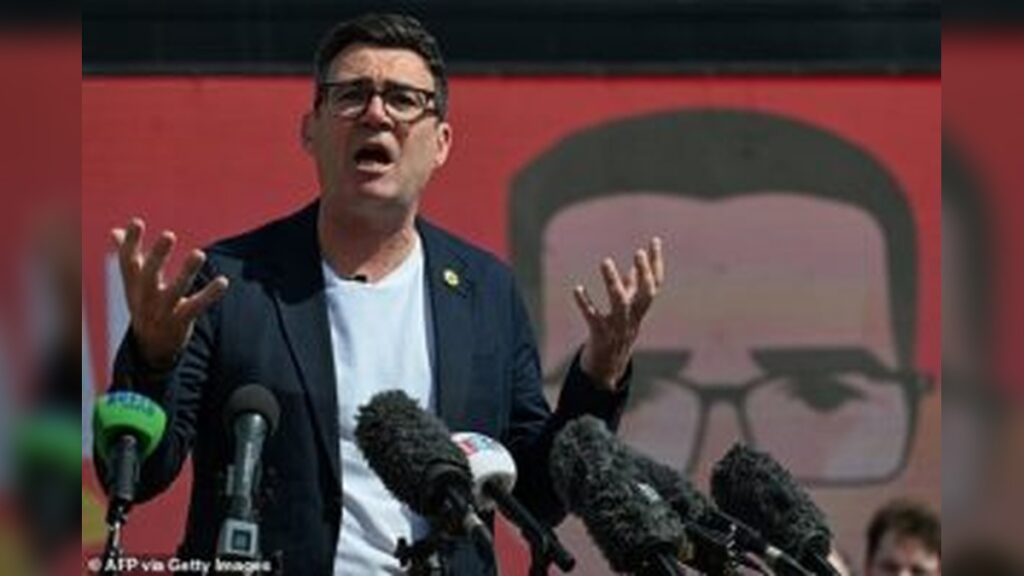
Wes Streeting has launched a pointed attack on rival leadership hopefuls, warning that any contest to replace Prime Minister Keir Starmer must not become a competition of costly promises designed to win over party activists.
Speaking at an event in London’s financial district, the former health secretary argued that Labour risks losing public trust if candidates offer expensive policies that cannot realistically be delivered.
He stressed that the party must remain focused on economic credibility rather than short-term political gain.
Fiscal Responsibility Takes Centre Stage
Streeting used the speech to underline his commitment to strict financial discipline, insisting that maintaining confidence in the economy remains essential for any future Labour government.
He cautioned against what he described as a potential “Dutch auction” in which leadership contenders attempt to outbid one another with increasingly generous pledges.
According to Streeting, voters expect honesty about what government can afford rather than promises that may prove impossible to fulfil.
He said politicians should not make commitments during a leadership campaign only to abandon them after securing support.
Thinly Veiled Criticism of Burnham
Although he did not directly name him throughout much of the address, Streeting’s remarks were widely interpreted as a criticism of Andy Burnham, who has previously argued that governments should be prepared to challenge financial market pressures.
Streeting rejected that line of thinking, saying financial markets should not be treated as enemies and insisting that fiscal rules are necessary.
He argued that Britain’s high debt levels leave little room for mistakes and that economic credibility is the foundation upon which ambitious public policies must be built.
The comments come amid growing concern among some Labour figures and investors that a Burnham leadership could involve significantly higher public spending, increased borrowing and additional taxation.
Burnham Faces Scrutiny Over Policy Positions
Burnham has previously floated ideas including wealth taxes, council tax reform and greater public ownership of key services.




However, critics have accused him of inconsistency after a series of policy reversals.
One of the most notable involved compensation for so-called WASPI women, where he appeared to withdraw support for a costly compensation package shortly after signalling approval for the proposal.
At the same time, Burnham’s public standing appears to have weakened.
Recent polling showed more respondents holding an unfavourable view of the Greater Manchester mayor than a favourable one, marking a decline from earlier surveys in which his ratings were positive.
Pressure Builds Around Starmer’s Future
The debate over Labour’s direction comes as questions intensify about Starmer’s political future.
Burnham is attempting to return to Westminster through the upcoming Makerfield by-election, while some of his supporters are reportedly considering a swift challenge to Starmer’s leadership should he secure victory.
The manoeuvring has fuelled speculation about a possible succession battle, with senior figures increasingly positioning themselves for a potential contest.
Streeting Confirms Leadership Bid Readiness
Streeting also made clear that he believes he has enough backing among Labour MPs to qualify for a leadership election if one takes place.
Asked whether he had secured the required 81 parliamentary supporters, he replied that he did possess the necessary support but sought to avoid becoming consumed by political intrigue.
Instead, he said any future contest should focus on competing visions for the country rather than personal rivalries or factional disputes.
He argued that Labour must urgently debate how progressive politics can address the challenges facing Britain, warning that failure to do so could strengthen political opponents across the United Kingdom.
Unions Call for a More Progressive Agenda
Meanwhile, trade union leaders have continued to press Labour to shift further left.
Andrea Egan, head of the public sector union Unison and an admirer of Burnham, suggested future financial support for Labour could depend on the party embracing more progressive policies.
She pointed to issues such as higher public-sector pay settlements and a softer approach to immigration policy as areas where the party could change direction.
Starmer Vows to Remain in the Fight
Despite growing speculation over his leadership, Starmer has insisted he has no intention of stepping aside.
Speaking during the G7 summit in France, the Prime Minister rejected suggestions that he might quit Downing Street, saying he intends to continue pursuing the programme on which he was elected.
Starmer said he would not walk away from the job, pledging instead to keep working to deliver the changes he believes the country needs and to continue serving the British public despite mounting political pressure.

