
After months of escalating military tension, economic disruption, and fears of a broader regional catastrophe, signs are emerging that the United States and Iran could finally be inching toward a temporary understanding designed to stop the war.
Officials familiar with the negotiations say both sides are now reviewing a draft memorandum that could pave the way for a ceasefire extension, the reopening of the Strait of Hormuz, and future talks on deeper issues such as Iran’s nuclear program.
While nothing has been officially finalized, diplomats and regional mediators describe the current moment as the closest the two countries have come to a breakthrough since fighting erupted earlier this year.
Pakistan Emerges as a Key Middle East Mediator
One of the most surprising developments in the negotiations has been the growing diplomatic role of Pakistan.
Pakistan’s army chief, Asim Munir, has reportedly held multiple rounds of talks in Tehran and coordinated discussions involving Washington, Gulf allies, and regional stakeholders.
Sources close to the discussions say Islamabad helped prepare a draft framework agreement that both sides are now examining carefully.
Qatar has also reportedly played an important supporting role by facilitating communication channels between negotiators.
The mediation effort highlights how regional powers are increasingly stepping into diplomatic spaces traditionally dominated by Western governments.
The Strait of Hormuz Remains the Biggest Flashpoint
At the heart of the negotiations sits the Strait of Hormuz, one of the world’s most strategically important waterways.
The conflict severely disrupted shipping routes after Iran effectively restricted access through the strait following military strikes earlier in the year.
The closure sent global energy markets into panic mode because a major portion of the world’s oil and gas supply passes through that narrow corridor.
Reports suggest the emerging deal could reopen shipping lanes while reducing military activity in the area. However, Iranian officials continue to insist that Tehran retains authority over the waterway, pushing back against claims from Washington that full access terms have already been settled.
Nuclear Issues Are Still Hanging Over the Talks
Although negotiators are trying to end active fighting first, Iran’s nuclear program remains impossible to ignore.
American officials continue to insist that Iran cannot possess nuclear weapons and want Tehran to address its enriched uranium stockpile as part of broader future discussions.




Iran, however, appears determined to separate the immediate ceasefire talks from longer-term nuclear negotiations.
Iranian officials have repeatedly said the current priority is stopping the war and easing sanctions before discussing deeper nuclear concessions.
That disagreement remains one of the largest unresolved obstacles.
Donald Trump Signals Optimism but Questions Remain
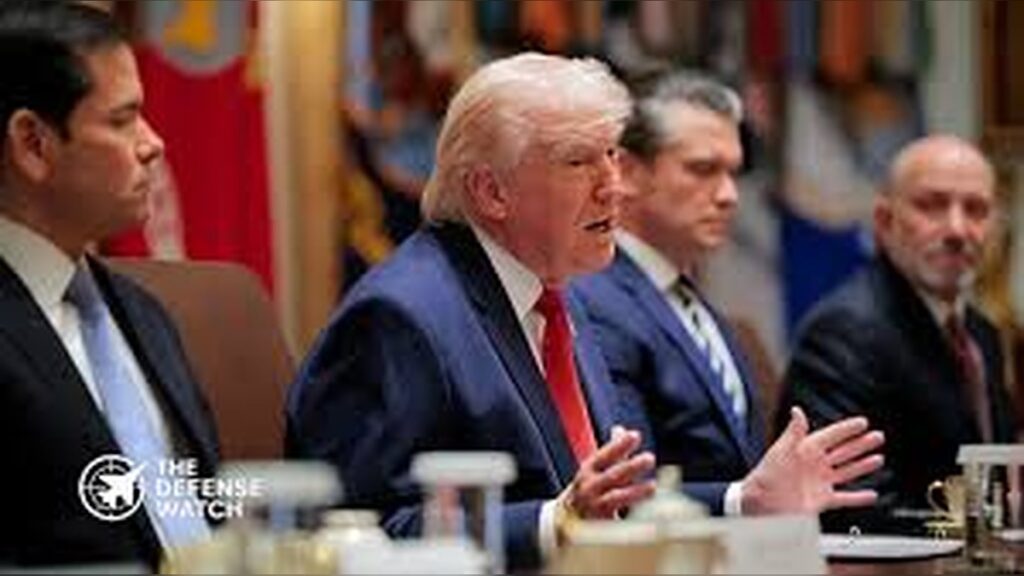
Donald Trump has publicly suggested that a deal is “largely negotiated,” claiming final details are now being worked out.
Still, past negotiations between Washington and Tehran have repeatedly collapsed at the final stage.
Some U.S. lawmakers remain skeptical of the current framework, while Iranian hardliners continue warning against making major concessions.
Officials on both sides have also warned that any return to military action could trigger even harsher retaliation than before.
That fragile balance explains why diplomats are speaking carefully despite the growing optimism.
Regional Tensions Have Already Left Deep Damage
Even if a temporary agreement is reached, the war has already reshaped the Middle East politically and economically.
Oil markets were rattled repeatedly during the crisis, global shipping costs surged, and fears of a wider regional war spread across neighboring countries.
Online censorship and internet shutdowns inside Iran also intensified during the conflict, reflecting how governments increasingly use digital restrictions during periods of instability.
Meanwhile, armed groups allied with Tehran, including Hezbollah, remain part of the wider geopolitical equation, adding another layer of uncertainty to any long-term settlement.
Impact and Consequences
If the proposed understanding succeeds, the effects could be enormous:
- Global oil prices may stabilize after months of volatility
- Commercial shipping through the Strait of Hormuz could resume normally
- Pressure on world energy markets may ease significantly
- Diplomatic relations between Iran and Western powers could slowly reopen
- Regional allies of both nations may gain breathing room from escalating military threats
- Sanctions relief discussions could reshape Iran’s struggling economy
However, failure could produce the exact opposite outcome — renewed military strikes, higher oil prices, and deeper instability across the Middle East.
What’s Next?
Negotiators are expected to continue reviewing the proposed memorandum over the coming days.
Several reports suggest both sides hope to finalize at least a temporary framework within 48 hours.
If an agreement is approved, it would likely begin with a ceasefire extension and confidence-building measures before shifting toward harder negotiations over Iran’s nuclear activities and sanctions.
Regional mediators, especially Pakistan and Qatar, are also expected to remain deeply involved in maintaining communication between Washington and Tehran.
Still, analysts warn that the most difficult phase may actually begin after the first agreement is signed.
Summary
The United States and Iran appear closer than they have been in months to reaching a temporary understanding aimed at stopping the war and preventing another dangerous escalation in the Middle East.
While major disagreements remain — especially concerning Iran’s nuclear program and long-term regional security — ongoing mediation efforts have narrowed gaps between the two sides.
The outcome of these talks could influence global energy markets, regional diplomacy, and international security for years to come.
Bulleted Takeaways
- The U.S. and Iran are reviewing a draft agreement aimed at ending the war
- Pakistan has emerged as a major mediator in the negotiations
- The Strait of Hormuz remains central to the talks
- Iran wants ceasefire discussions separated from nuclear negotiations
- The U.S. continues demanding restrictions on Iran’s nuclear activities
- Donald Trump says a deal is close but unresolved issues remain
- Oil markets and global shipping could be heavily affected by the outcome
- Diplomats believe the next few days may determine whether peace efforts succeed or collapse entirely
- Defense Secretary Pete Hegseth delivers Trump impression and triggers political storm among cadets at West Point United States Military Academy in New York
- JD Vance Rushes Back to Washington as Iran Crisis Talks Force Trump to Cancel New Jersey Weekend Plans
- Russia Accuses Ukraine of Launching Deadly Drone Strike on Student Dormitory in Starobelsk as Children Die and UN Security Council Erupts in Emergency Session
- Russian Authorities Accuse Ukrainian Forces of Launching Deadly Strike on Student Dormitory in Starobelsk as Teenagers Are Killed and Dozens Go Missing
- Jury Convicts Joel Zeigler After He Opens Fire in a Revenge Attack at Goeman’s Bar on Franklin Boulevard in Sacramento, Leaving One Innocent Bystander Dead
- U.S. Department of War Releases Controversial Second Batch of UFO Files and Triggers Massive Global Frenzy on WAR.GOV/UFO Website Across Washington and Worldwide Audiences
- U.S. Central Command Intensifies Naval Blockade Operations and Redirects Dozens of Commercial Ships Across Arabian Sea Near Iranian Waters in Escalating Maritime Standoff
- Volodymyr Zelenskyy Claims Ukraine Reclaims 590 Square Kilometers and Intensifies Russian Losses Across Frontlines in Ongoing War Zones in Eastern Ukraine
- Vladimir Putin Condemns and Accuses Kiev Forces of Carrying Out Deadly Drone Strike on Student Dormitory in Starobelsk Amid Escalating War Tensions in Eastern Ukraine
- Vanessa Trump battles breast cancer diagnosis in United States while Tiger Woods undergoes rehab as relationship strain deepens amid health crisis
- Russia Accuses NATO And EU Of Fueling Ukraine’s Drone War As Moscow Issues Stark Warning At OSCE Meeting In Vienna
- Sparks national outrage as Maureen Galindo triggers antisemitism row and Texas congressional race controversy in San Antonio United States election

