
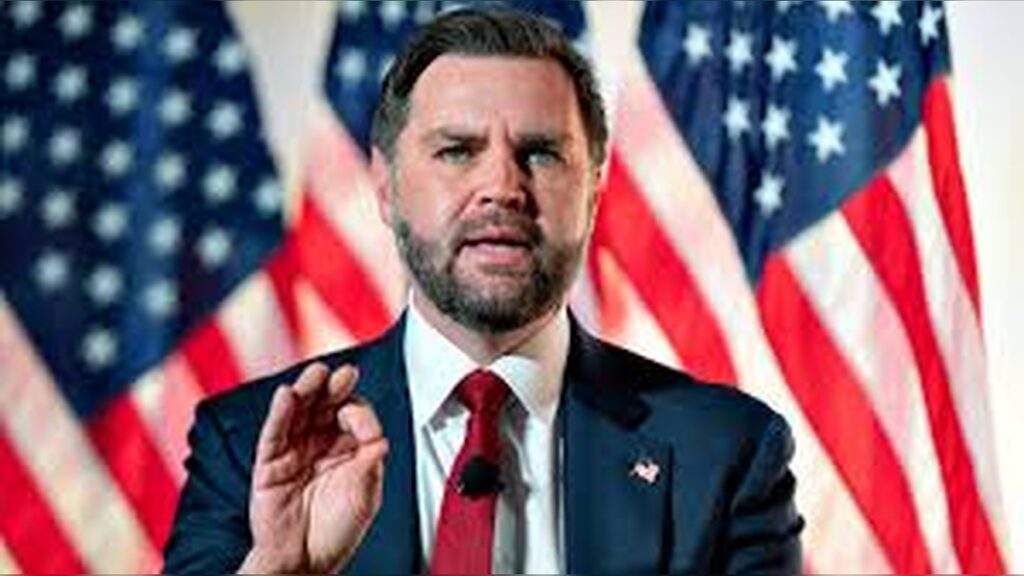
A planned weekend visit to Ohio by JD Vance took an unexpected turn after the vice president returned to Washington, D.C., earlier than anticipated on Saturday.
The trip had drawn attention because Vance still maintains close political and personal connections to Ohio, especially his hometown of Middletown, where his rise from author and venture capitalist to national politics remains a major part of his public identity.
Observers tracking Air Force Two reported that the aircraft arrived from the Cincinnati area before Vance’s motorcade was seen moving toward the White House complex.
While the administration did not release a detailed explanation for the shortened visit, the timing suggested a link to broader developments demanding attention from senior officials in Washington.
Ohio Remains Central to Vance’s Political Identity
Even after becoming vice president, Vance has continued making regular trips back to Ohio.
The state is more than a political base for him; it is deeply tied to his personal story and public image.
From his memoir Hillbilly Elegy to his Senate campaign and eventual move onto the national ticket, Ohio has remained central to his political narrative.
Earlier this month, Vance returned home to participate in primary-related activities and speak about economic initiatives tied to manufacturing, infrastructure, and working-class investment.
His repeated visits have reinforced his effort to remain connected to voters there despite his new role in Washington.
Because of that connection, the decision to abruptly return to the capital immediately sparked speculation about urgent national security or diplomatic matters unfolding behind the scenes.
Trump Also Alters His Weekend Schedule
At nearly the same time, Donald Trump also revised his own travel plans.
The president had originally intended to spend the weekend at his Bedminster property in New Jersey, a location he frequently uses for private meetings and downtime away from Washington.
Instead, Trump chose to remain in the capital as administration officials continued monitoring ongoing international developments.
The White House stated that remaining in Washington would allow the president to stay closely involved in meetings with national security advisers and senior policy officials.
The schedule change highlighted the seriousness of whatever discussions were taking place internally, particularly as global tensions surrounding Iran continue to attract attention from the administration.
Focus Turns Again Toward Iran and Regional Stability
The timing of both leaders remaining in Washington coincided with continued diplomatic and security discussions involving Iran.
The United States has spent months navigating complicated negotiations and strategic decisions related to Iran’s nuclear activities, regional influence, and support for allied armed groups across the Middle East.
Officials have repeatedly emphasized the administration’s preference for diplomacy, but they have also acknowledged that alternative options remain under review should negotiations fail to produce verifiable commitments.
Vance himself has already played a role in international discussions this year.
Earlier diplomatic engagements in Islamabad reportedly focused on difficult sticking points involving uranium enrichment limits and concerns over Iran-backed proxy organizations operating in the region.



Although no fresh negotiations were publicly announced this weekend, the sudden schedule changes from both Trump and Vance suggested heightened coordination among top officials.
White House Keeps Details Limited
One striking aspect of the situation was the lack of detailed public explanation.
The administration confirmed only that both leaders were remaining actively engaged in briefings and consultations throughout the day.
That limited communication is not unusual during periods involving national security assessments.
Administrations often avoid revealing operational details while intelligence reviews, diplomatic outreach, or military evaluations are ongoing.
Officials stressed that decision-making channels remained active and uninterrupted, with senior advisers continuously reviewing developments and updating leadership teams as events evolved.
The Broader Context Behind the Iran Discussions
The current tensions did not emerge overnight.
Relations between Washington and Tehran have remained strained for years over sanctions, nuclear ambitions, military activity, and regional conflicts involving allied groups.
Negotiators have repeatedly struggled to bridge major differences over how Iran’s nuclear program should be monitored and what concessions each side would be willing to make.
Concerns over uranium enrichment levels continue to be among the most sensitive issues in ongoing talks.
At the same time, the United States and its allies remain focused on preventing wider instability across the Middle East, particularly after previous escalations and temporary ceasefire arrangements in several conflict zones.
Analysts say moments like these often require constant communication between intelligence agencies, diplomats, defense officials, and political leadership — helping explain why top figures may suddenly change travel schedules with little warning.
Impact and Consequences
The sudden return of Vance and Trump’s decision to remain in Washington immediately fueled political speculation and public curiosity.
Even without formal announcements, abrupt schedule changes involving top government leaders tend to signal heightened concern over international developments.
For the administration, remaining visibly engaged allows officials to project stability and preparedness during uncertain moments.
It also reassures allies that decision-makers are actively monitoring events in real time.
Politically, the developments may strengthen perceptions that foreign policy and national security issues are becoming increasingly central to the administration’s agenda heading deeper into the election cycle.
There could also be broader diplomatic consequences depending on how discussions with Iran evolve.
Any breakthrough in negotiations would likely reshape regional relationships, while a collapse in talks could increase geopolitical tensions and pressure from allies demanding stronger action.
What’s Next?
For now, the White House appears focused on maintaining flexibility while continuing diplomatic assessments.
Officials insist that communication channels with Iran remain open, though no immediate new talks have been publicly scheduled.
Attention will likely remain on whether additional high-level meetings take place in Washington over the coming days.
Observers will also watch for possible statements from the administration regarding sanctions, regional military posture, or renewed diplomatic initiatives.
If tensions escalate further, the administration could face pressure to outline a clearer long-term strategy regarding Iran’s nuclear ambitions and broader Middle East security concerns.
At the same time, both Trump and Vance are expected to continue balancing domestic political responsibilities with increasingly demanding international developments.
Summary
Vice President JD Vance unexpectedly returned to Washington after a planned Ohio visit, while President Donald Trump also canceled weekend travel plans to remain in the capital.
The abrupt schedule changes came as administration officials monitored ongoing international developments linked to Iran and broader Middle East security concerns.
Although the White House offered limited details, both leaders reportedly stayed engaged in national security briefings and consultations throughout the day.
The developments underscored the administration’s continued focus on diplomacy, regional stability, and strategic coordination during a sensitive period in U.S.-Iran relations.
Bulleted Takeaways
- JD Vance returned to Washington earlier than expected after a planned Ohio visit.
- Donald Trump also canceled plans to travel to New Jersey.
- The White House linked the changes to ongoing official matters requiring attention in Washington.
- Administration officials continued monitoring developments involving Iran and regional security concerns.
- Vance has remained closely involved in diplomatic discussions tied to Iran’s nuclear program and Middle East stability.
- Officials say diplomatic channels remain open despite unresolved tensions.
- The developments may signal increased national security coordination within the administration.

