
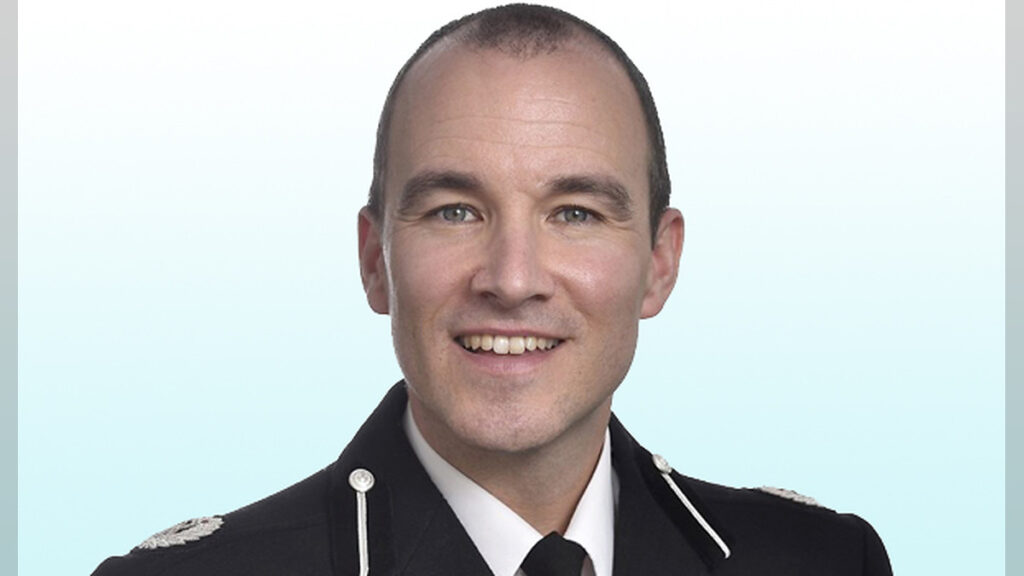
There’s been a quiet but important decision in the UK justice system: Tim De Meyer will remain on the Sentencing Council for England and Wales for another year, extending his role from July 2026 until at least June 2027 or until a permanent successor is appointed.
The move wasn’t part of a public contest or fresh recruitment drive.
Instead, it was approved directly by the Lord Chancellor, mainly to keep continuity steady while longer-term staffing plans are sorted out.
Why the Decision Was Made Without Competition
Rather than opening up the role to new applicants, officials chose to reappoint De Meyer without competition.
According to government process, this is allowed in certain cases where continuity and specialist knowledge are considered essential.
Before signing off, the Commissioner for Public Appointments was consulted, ensuring the decision stayed within governance rules.
The idea is fairly simple: the Sentencing Council relies on experienced voices from policing, and replacing that expertise too quickly could slow down or disrupt ongoing work.
Who Is Tim De Meyer and Why He Matters Here
De Meyer isn’t new to senior policing. He has spent nearly three decades working across major UK forces, including the Metropolitan Police and Thames Valley Police.
In recent years, he rose to become Chief Constable of Surrey Police in 2023.
Alongside that, he has also played a national policy role through the National Police Chiefs’ Council, where he led on Criminal Procedure and Investigations Act disclosure issues since 2019.
That portfolio matters because it deals directly with how evidence is handled in criminal cases—something that links closely to sentencing consistency and fairness.
He has also declared no political activity, which is often noted in public appointments to reinforce neutrality in justice-related roles.




What the Sentencing Council Actually Does
The Sentencing Council for England and Wales plays a central role in shaping how courts hand down sentences.
It creates guidelines that judges and magistrates are expected to follow unless there’s a strong reason not to.
The goal is consistency—so similar crimes don’t lead to wildly different outcomes depending on where or by whom a case is heard.
It also aims to keep sentencing transparent, helping the public understand how and why punishments are decided in criminal cases.
A System Built on Balance and Expertise
Appointments like this sit within a wider framework of checks and governance.
Non-judicial members of the council are regulated under public appointments rules, and recruitment is overseen to ensure fairness and transparency.
That structure is meant to balance independence in the justice system with real-world input from policing and legal professionals who understand how cases work on the ground.
Impact and Consequences
This extension keeps experienced policing input inside one of the UK’s most influential justice bodies.
In practical terms, it helps maintain stability in sentencing policy at a time when courts are dealing with complex and evolving crime patterns.
It also signals that the government is prioritising continuity over change while broader recruitment processes are prepared.
On the public side, decisions like this can influence how sentencing guidelines evolve, particularly around evidence handling, policing standards, and consistency in criminal justice outcomes.
What’s Next?
The role will remain in place until a full recruitment process is completed or a permanent successor is appointed.
That process is expected to follow standard public appointment procedures, which include open competition.
In the meantime, the Sentencing Council continues its regular work reviewing guidelines and issuing updates that courts across England and Wales must consider in sentencing decisions.
De Meyer’s continued presence is likely to support ongoing policy work, especially around criminal procedure and evidence disclosure standards.
Summary
Tim De Meyer has been reappointed without competition to remain the policing member of the Sentencing Council until mid-2027 or until a successor is chosen.
The decision, approved by the Lord Chancellor after consultation, is aimed at maintaining stability and expert input within the UK’s sentencing framework.
Bulleted Takeaways
- Tim De Meyer reappointed to Sentencing Council without open competition
- New term runs from 1 July 2026 to 30 June 2027 or until successor is appointed
- Decision approved by the Lord Chancellor after regulatory consultation
- Aim is to maintain continuity of policing expertise
- De Meyer has nearly 28 years of policing experience
- Currently Chief Constable of Surrey Police since 2023
- Sentencing Council issues guidelines that shape court sentencing in England and Wales
- Appointment follows public governance rules overseen by appointment regulators

