
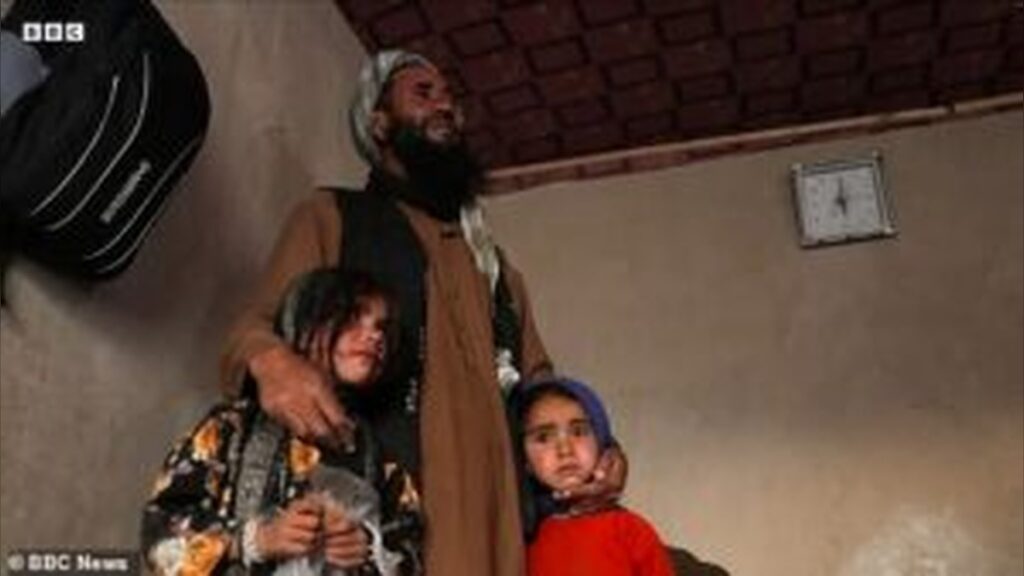
Fresh concern is growing around Afghanistan after the Taliban introduced a new family law that critics say could effectively normalize child marriage by failing to set a minimum legal age for marriage.
The regulation, introduced nearly five years after the Taliban returned to power in 2021, has triggered strong reactions from international rights groups and women’s advocates who warn that the new framework further erodes protections for women and girls in the country.
According to officials from UN Women, the legislation represents another major setback for women’s rights under Taliban rule and could deepen already severe restrictions on female autonomy and protection.
No Minimum Marriage Age Raises Serious Concerns
One of the most controversial elements of the new regulation is the absence of a clear minimum legal age for marriage.
Instead of banning child marriages outright, the law reportedly outlines procedures through which marriages involving children may later be annulled after puberty under certain Islamic legal provisions.
The regulation references “khiyar al-bulugh,” or the “option upon puberty,” a concept in Islamic jurisprudence that allows someone married during childhood to potentially reject the marriage once they reach maturity.
Critics argue this approach indirectly legitimizes child marriage by accepting that such unions can occur in the first place.
UN Women representative Susan Ferguson warned that the framework risks normalizing the practice at a time when Afghan girls already face shrinking legal and social protections.
Taliban Expands Religious Oversight Into Family Life
The new rules reportedly span dozens of articles governing marriage, divorce, guardianship, adultery accusations, religious conduct, and family disputes.
They also grant Taliban judges broad authority to intervene in personal matters involving separation, missing husbands, alleged apostasy, and marital conflicts.
Several provisions reinforce patriarchal guardianship systems.
In one widely criticized section, the silence of a “virgin girl” can reportedly be interpreted as consent to marriage, while silence from men or previously married women is treated differently.
Rights observers say such provisions are especially dangerous in environments where women and girls may fear punishment, intimidation, or social consequences for speaking openly.
Restrictions on Women Continue to Deepen
The family law arrives amid a broader pattern of restrictions imposed since the Taliban regained control of Afghanistan in August 2021.
Over the past several years, authorities have:
- Banned girls from studying beyond sixth grade
- Restricted women’s employment opportunities
- Limited female movement without male guardians
- Tightened dress and behavior rules
- Expanded morality policing under religious law
Human rights organizations have repeatedly warned that Afghanistan’s female population is facing one of the most systematic rollbacks of women’s rights in the modern world.




Domestic Violence Provisions Draw Additional Criticism
Other reported parts of the regulation have also generated outrage internationally.
Some provisions allegedly permit husbands to physically discipline wives under certain conditions, provided severe injury cannot be proven in court.
Critics say the legal burden placed on women makes enforcement nearly impossible.
Women seeking protection from domestic abuse could also face obstacles under rules restricting their ability to leave home or seek refuge with relatives without their husband’s approval.
Observers argue these measures create a legal structure where women remain heavily dependent on male guardianship while having limited access to independent legal protection.
Taliban’s Interpretation of Islamic Law Continues Expanding
The regulations also reportedly address issues such as “milk kinship,” a traditional Islamic legal concept where children breastfed by the same woman are considered siblings and therefore prohibited from marrying.
In recent months, Taliban authorities have also intensified religious enforcement in public life, including new beard regulations for men and expanded morality campaigns overseen by the Ministry for the Propagation of Virtue and Prevention of Vice.
This broader effort reflects the Taliban’s ongoing push to reshape Afghan society according to its strict interpretation of Islamic law.
International Pressure Is Growing Again
Global institutions and human rights groups are expected to increase diplomatic pressure following the publication of the new family law.
Since returning to power, the Taliban government has struggled to gain broad international recognition, with many countries tying diplomatic engagement to improvements in women’s rights and education access.
Policies affecting girls and women remain one of the biggest barriers to normalization between Afghanistan and much of the international community.
Impact and Consequences
The immediate impact of the law is likely to be felt most heavily by Afghan women and girls, especially in rural or conservative regions where legal protections are already limited.
Critics fear the absence of a minimum marriage age could contribute to increased child marriages, reduced educational opportunities for girls, and deeper gender inequality.
The legislation may also worsen Afghanistan’s international isolation.
Human rights concerns have already affected aid flows, diplomatic recognition, and foreign investment discussions involving the Taliban administration.
Socially, the law could reinforce patriarchal control structures that rights groups say make it harder for women to seek protection from abuse or exercise personal autonomy.
What’s Next?
International organizations are expected to continue pressuring the Taliban over women’s rights and legal protections, particularly regarding education and marriage laws.
Meanwhile, Afghan civil society groups operating inside and outside the country will likely intensify advocacy efforts aimed at documenting the effects of the regulation.
The Taliban leadership, however, has repeatedly signaled that it intends to continue governing according to its interpretation of Islamic law regardless of external criticism.
That means tensions between the regime and global rights organizations are likely to remain high in the months ahead.
Summary
The Taliban’s newly introduced family law has triggered widespread concern after failing to establish a minimum legal age for marriage in Afghanistan.
Rights groups warn the regulation risks legitimizing child marriage while expanding strict patriarchal oversight over women’s lives.
The law forms part of a broader series of restrictions imposed since the Taliban returned to power in 2021, further intensifying international criticism over the erosion of women’s rights in Afghanistan.
Bulleted Takeaways
- Taliban introduces new family law without minimum marriage age
- Rights groups warn the regulation could normalize child marriage
- Law allows possible annulment of child marriages after puberty
- Taliban judges receive broad authority over family disputes
- Rules reportedly interpret silence from unmarried girls as consent
- Women’s rights restrictions continue expanding across Afghanistan
- Critics say domestic violence protections remain deeply inadequate
- International pressure on Taliban leadership is expected to increase
- Afghanistan still faces diplomatic isolation over women’s rights issues
- Human rights groups fear long-term consequences for girls’ education and safety

