
Ireland has identified stronger sanctions against Russia as one of its leading foreign policy goals during its six-month presidency of the European Union, with Foreign Affairs Minister Helen McEntee placing continued support for Ukraine at the heart of the bloc’s agenda.
Speaking ahead of a key gathering of EU foreign ministers in Brussels, McEntee outlined a broad diplomatic programme that will also address escalating tensions in the Middle East, the humanitarian crisis in Gaza, and regional security cooperation.
First Foreign Affairs Council Under Irish Presidency
The meeting in Brussels marks the first session of the EU Foreign Affairs Council since Ireland assumed the rotating presidency of the European Union.
Foreign ministers are expected to examine several pressing international issues, including Russia‘s war in Ukraine and ongoing instability across the Middle East.
The discussions are intended to shape the EU’s foreign policy direction over the coming months as Ireland leads the Council.
Ukraine Support Remains a Top Priority
McEntee stressed that maintaining unwavering support for Ukraine will remain central to Ireland’s presidency.
She said Dublin was honoured to welcome Ukrainian President Volodymyr Zelensky at the start of Ireland’s term, describing the visit as an important demonstration of solidarity.
The minister also recalled her visit to Ukraine earlier this year, where she witnessed the aftermath of atrocities committed against civilians in Bucha, saying those experiences reinforced the need for Europe to remain united behind Ukraine.
Ireland Calls for More Pressure on Moscow
According to McEntee, Russia’s continued missile and drone attacks on Kyiv and other Ukrainian cities demonstrate that Moscow has shown little willingness to pursue peace.
She argued that the sanctions already imposed by the European Union are producing results and insisted that additional measures should now be considered.



For Ireland, expanding sanctions on Russia has become one of the presidency’s most important diplomatic objectives as the bloc seeks to maintain pressure on the Kremlin.
Focus on Ukrainian Detainees
As part of the Brussels programme, McEntee is scheduled to co-host an event with EU High Representative for Foreign Affairs and Security Policy Kaja Kallas focusing on Ukrainians being held in Russian-occupied territories.
The initiative aims to draw greater international attention to detainees and reinforce ongoing efforts to address humanitarian concerns linked to the conflict.
Middle East Security Also Dominates Discussions
Alongside Ukraine, ministers are dedicating significant attention to developments in the Middle East.
EU officials will meet with foreign ministers from the Gulf Cooperation Council during the third EU-GCC High-Level Forum on Regional Security and Cooperation to explore ways of easing regional tensions through diplomatic engagement.
McEntee said dialogue with Gulf partners would focus on reducing instability that continues to affect both regional security and global economic conditions.
Concern Over Iran’s Regional Actions
The Irish minister warned that recent military exchanges involving Iran and the United States risk undermining ceasefire efforts and wider diplomatic negotiations.
She also condemned Iran’s reported attacks on Kuwait, Bahrain and Jordan, as well as assaults targeting commercial vessels in the Strait of Hormuz.
McEntee said protecting freedom of navigation under international law remains essential and argued that diplomacy remains the only sustainable path to long-term peace and stability in the region.
Gaza and West Bank Crisis on EU Agenda
Humanitarian conditions in Gaza and the West Bank are also expected to feature prominently during the Brussels meetings.
McEntee said she intends to work with fellow EU ministers to build support for a common European position addressing what she described as ongoing violations of human rights and international law.
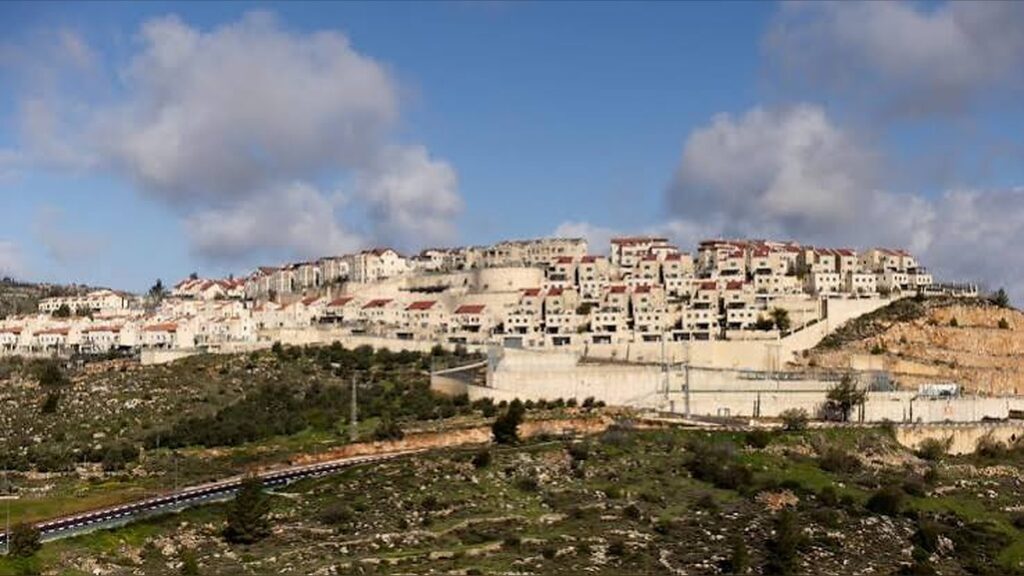
She added that discussions would include efforts to reach an EU-wide agreement on trade involving Israeli settlements that are regarded as illegal under international law.
Ireland Seeks Unified European Response
With multiple international crises unfolding simultaneously, Ireland is using its presidency to encourage greater coordination among EU member states on security, humanitarian issues and international diplomacy.
Over the next six months, Dublin hopes to strengthen European unity by advancing policies aimed at supporting Ukraine, promoting stability in the Middle East and reinforcing the EU’s role in addressing global conflicts through collective action.

