
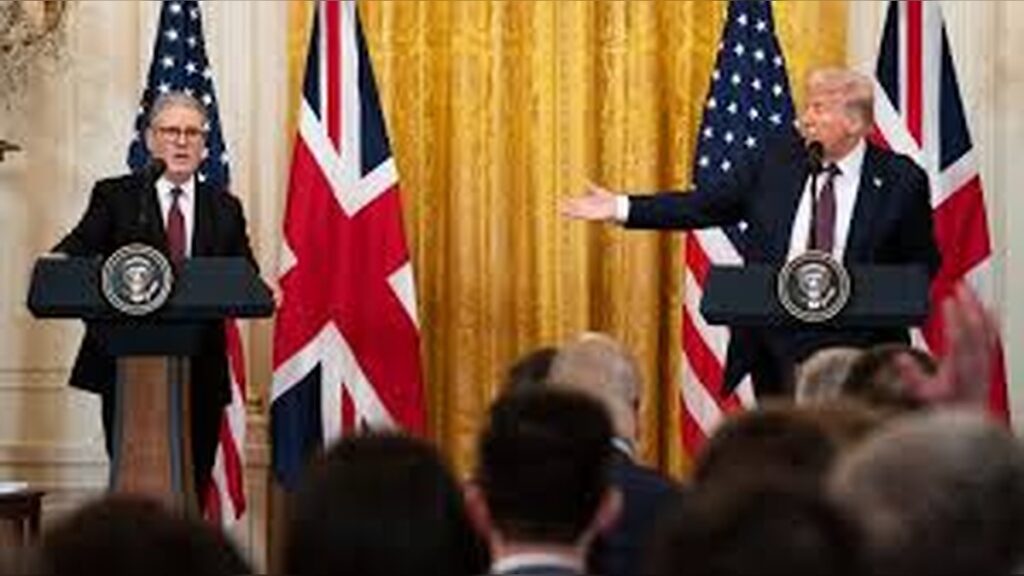
The United Kingdom is moving forward with a new international trade agreement expected to slash around £580 million in tariffs on British exports, a move the government says will boost business activity and strengthen the country’s global trading position.
While officials are celebrating the economic upside, the deal has also triggered criticism from human rights organizations and campaigners who argue that economic gains should not come at the expense of ethical concerns.
The agreement is being promoted as one of the UK’s major post-Brexit trade achievements.
Supporters believe it could open new opportunities for British manufacturers, farmers, and exporters that have struggled with rising costs and tougher global competition over the last few years.
Why the Deal Matters for British Businesses
Tariffs are taxes placed on imported or exported goods, and they often increase the final cost of products sold abroad.
By removing hundreds of millions of pounds in these charges, British companies are expected to become more competitive in foreign markets.
Industries likely to benefit include automotive manufacturing, food and beverages, machinery, pharmaceuticals, and luxury goods.
Smaller exporters may also gain easier access to overseas buyers, especially companies that previously found international trade too expensive or complicated.
Business groups have largely welcomed the move, arguing that reducing trade barriers is essential at a time when many economies are facing slower growth and persistent inflation pressures.
Government officials say the agreement could also help protect jobs across several UK industries by improving demand for British-made products overseas.
Human Rights Concerns Overshadow Economic Gains
Despite the economic optimism, rights organizations are raising serious concerns about the country Britain is partnering with.
Critics argue the UK risks appearing willing to overlook allegations tied to labor abuses, political repression, or restrictions on civil liberties in exchange for commercial benefits.
Several advocacy groups have accused the government of placing trade interests ahead of moral responsibility.
They say future agreements should include stronger safeguards tied to workers’ rights, freedom of expression, and humanitarian standards.
Some campaigners are also worried that the deal sends the wrong message internationally, especially as Western governments increasingly speak about ethical supply chains and democratic values.
The criticism reflects a broader global debate: should nations prioritize economic survival and growth, or should trade relationships be conditional on human rights performance?
The Political Pressure Facing the UK Government
The British government is under pressure from multiple sides.
On one hand, ministers want to prove that the UK can secure major economic partnerships independently after leaving the European Union.




On the other hand, opposition politicians and activists are demanding greater transparency about the ethical implications of these deals.
Trade policy has become one of the defining tests of Britain’s post-Brexit strategy.
Every major agreement is closely scrutinized not just for its financial value, but also for what it says about the country’s diplomatic priorities.
Critics inside Parliament may push for further debates or amendments related to human rights conditions tied to the agreement.
However, supporters argue that engagement through trade can sometimes encourage gradual reform rather than isolation.
Global Trade Tensions Are Changing the Conversation
The controversy arrives during a period of shifting global alliances and increasing economic uncertainty.
Countries worldwide are racing to secure supply chains, protect industries, and attract foreign investment.
Many governments are balancing difficult choices between economic necessity and ethical diplomacy. Similar criticisms have emerged in trade discussions involving nations in Asia, the Middle East, and Africa, where economic partnerships often collide with political concerns.
Britain is not alone in facing these questions.
The European Union, the United States, and other major economies have all faced scrutiny over agreements involving countries accused of rights violations.
Impact and Consequences
The immediate impact of the deal could be positive for exporters, particularly companies struggling with higher operating costs and weaker consumer demand.
Lower tariffs may help British goods become more affordable and competitive abroad, potentially increasing sales and investment.
However, the political consequences may be more complicated.
Rights groups could intensify campaigns against the agreement, while lawmakers may demand stricter accountability measures in future negotiations.
There is also reputational risk. If the partner country faces growing international criticism over human rights issues, Britain could find itself under pressure from allies, advocacy organizations, and even domestic voters.
For businesses, the agreement may create new commercial opportunities, but some firms could also face public pressure over ethical sourcing and supply chain transparency.
What’s Next?
The next stage will likely involve parliamentary reviews, implementation planning, and negotiations over specific industry rules.
Businesses will begin preparing to take advantage of reduced tariffs once the agreement officially comes into effect.
At the same time, human rights organizations are expected to continue lobbying the government for stronger protections and clearer ethical standards in trade policy.
Analysts will also watch whether the deal delivers the economic growth promised by ministers.
Trade agreements often take years before their full effects become visible, meaning the long-term success of the partnership remains uncertain.
Future trade negotiations could also become more politically sensitive as voters increasingly demand both economic benefits and ethical accountability.
Summary
Britain’s latest trade agreement is being presented as a major economic win that could remove around £580 million in tariffs on exports and improve opportunities for UK businesses.
Supporters see it as a practical step toward strengthening the economy and expanding global trade ties after Brexit.
But the deal is also facing backlash from rights groups concerned about the ethical implications of partnering with countries accused of human rights abuses.
The debate highlights the growing tension between economic ambition and moral responsibility in global trade policy.
As the agreement moves forward, the UK government may have to prove it can balance commercial interests with the values it claims to defend internationally.
Bulleted Takeaways
- The trade deal is expected to remove about £580 million in tariffs on British exports.
- UK businesses could benefit from lower costs and improved international competitiveness.
- Rights groups argue the agreement overlooks serious human rights concerns.
- The controversy reflects wider global debates about ethics versus economic interests.
- British officials view the agreement as an important post-Brexit achievement.
- Political scrutiny over ethical trade standards is likely to continue.
- The long-term economic and diplomatic effects of the deal remain uncertain.

