
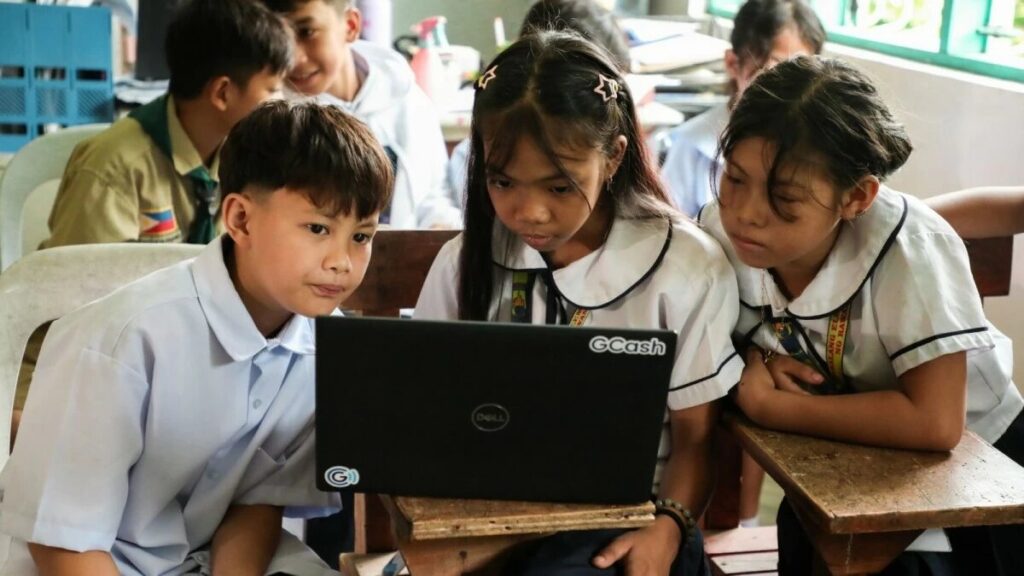
A fresh wave of collaboration is taking shape as the Department of Education (Philippines) teams up with the British Embassy Manila and the UK Mission to ASEAN to strengthen how technology is used in schools.
The goal is simple but ambitious: make digital learning tools more effective, inclusive, and grounded in solid evidence.
Backed by the UK government through the Foreign, Commonwealth & Development Office and implemented by EdTech Hub, the partnership is designed to reshape how students learn and how teachers deliver lessons across the country.
Building Smarter Policies for Digital Learning
One of the biggest highlights of this collaboration is the development of a National EdTech Policy.
This initiative, carried out with DepEd’s Bureau of Learning and Delivery, aims to create a clear roadmap for how technology should be used in classrooms.
Rather than rolling out tools blindly, the policy will test ideas through pilot programs and track their effectiveness using monitoring and evaluation systems.
Funding for this effort comes through the ASEAN-UK Supporting the Advancement of Girls’ Education (SAGE) programme, ensuring that inclusivity—especially for girls—remains at the center.
Preparing for Climate Disruptions in Education
Another major focus is ensuring that learning doesn’t stop when disasters strike.
A case study on climate and learning continuity is exploring how schools can adapt better when extreme weather or environmental challenges disrupt traditional classes.
By analyzing alternative teaching methods already used during such disruptions, the initiative aims to refine strategies that keep education going no matter the circumstances.
Exploring Artificial Intelligence in Schools
The partnership is also stepping into the future with artificial intelligence.




Through the EdTech Hub’s AI Observatory and Action Lab, DepEd—alongside its Education Centre of AI Research—is participating in a global AI challenge.
This effort is not just about innovation for its own sake.
It’s about finding practical ways AI can improve school administration, reduce inefficiencies, and expand technological capacity across the education system.
Leaders Emphasize Vision for Future-Ready Learners
Education Secretary Sonny Angara described the initiative as a key step toward accelerating digital transformation in schools.
He tied the effort to the broader national vision of Ferdinand Marcos Jr., which aims to produce globally competitive, tech-savvy students.
Meanwhile, British Ambassador Sarah Hulton highlighted how the partnership will tackle real challenges such as learning loss, child malnutrition, and the effects of climate shocks on education.
From the regional perspective, Helen Fazey stressed the importance of using technology carefully—ensuring it fits local contexts and is backed by evidence rather than trends.
Adding to this, Verna Lalbeharie noted that collaboration and research-driven decisions are key to making digital transformation truly impactful.
Impact and Consequences
This partnership could significantly reshape the Philippine education system.
By focusing on evidence-based solutions, it reduces the risk of wasted investments in ineffective technologies.
Schools may see improved learning outcomes, better preparedness for disruptions, and more efficient operations through AI integration.
At the same time, the emphasis on inclusivity ensures that marginalized groups—especially girls and students in vulnerable regions—are not left behind in the digital shift.
What’s Next?
The immediate next steps involve piloting the National EdTech Policy and refining its framework based on real-world results.
The climate continuity study will also feed into future strategies for disaster-resilient education.
On the technology front, AI experiments will continue, with the potential for scaling successful innovations across the education system.
Summary
The UK-Philippines partnership marks a strategic move toward modernizing education through thoughtful, research-backed use of technology.
By combining policy development, climate resilience, and AI innovation, the collaboration aims to build a stronger, more inclusive learning environment for Filipino students.
Bulleted Takeaways
- The UK and ASEAN are partnering with DepEd to enhance education technology in the Philippines
- A National EdTech Policy is being developed to guide digital learning strategies
- Climate-focused research aims to keep education running during disruptions
- AI initiatives are being tested to improve efficiency and innovation in schools
- The partnership emphasizes inclusivity, evidence-based decisions, and long-term impact
- The goal is to create future-ready learners equipped for a rapidly changing world
