
Calls for change inside Ireland’s governing party have intensified after senior Fianna Fáil figures openly questioned both leadership style and internal decision-making.
At the centre of the debate is a growing sense that the party has drifted away from its traditional grassroots connection, especially after recent fuel protests sparked widespread political fallout.
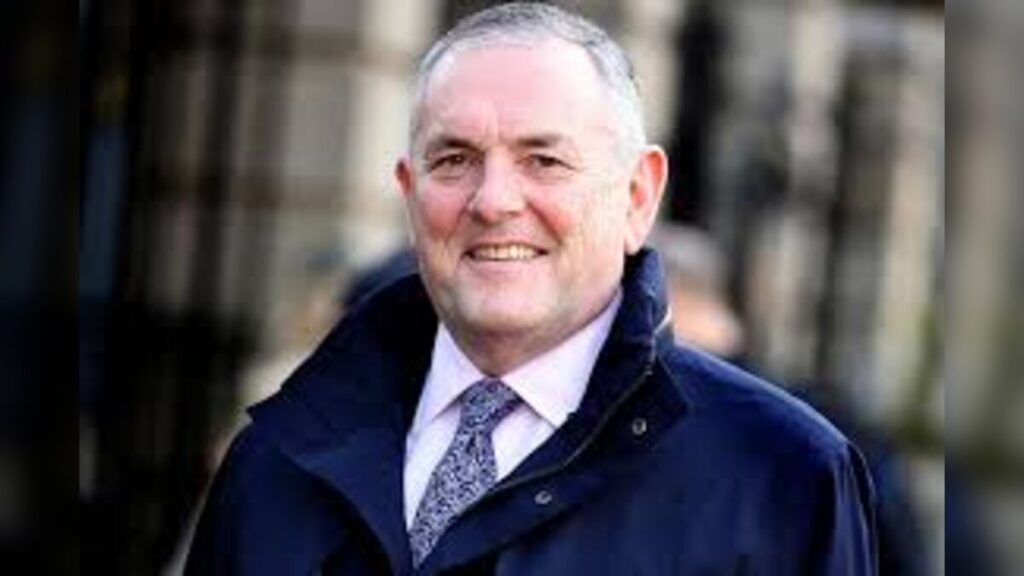
Leas Ceann Comhairle John McGuinness has become one of the most outspoken voices, arguing that Fianna Fáil needs not just a reset in communication, but a full shift in direction and leadership approach.
McGuinness Calls for Reset in Leadership and Direction
Speaking on Newstalk’s Claire Byrne programme, McGuinness didn’t hold back.
He said the party must return to its core values—listening to people on the ground and responding with practical policy, especially around cost-of-living pressures.
His message was blunt: families struggling with heating bills should not feel abandoned.
He argued that older and marginalised communities, in particular, have been left exposed in ways that contradict the party’s historical identity.
He also criticised how decisions are made within Fianna Fáil, suggesting that power has become too centralised since Micheál Martin became party leader in 2011.
According to McGuinness, parliamentary members often find themselves reacting to decisions rather than shaping them—something he believes has weakened internal democracy.
Fuel Protests Spark Internal Soul-Searching
Much of the tension stems from recent fuel protests, which exposed frustration among workers, farmers, and small businesses facing rising energy and transport costs.
McGuinness said the party “failed the public” in how it handled the situation, arguing that government messaging did not properly reflect the concerns of ordinary people.
He insisted that many of those protesting were not extremists but everyday citizens under pressure—people from construction, agriculture, and retail sectors who felt ignored.
His remarks suggest a deeper frustration within parts of Fianna Fáil about how public anger was interpreted and communicated during the crisis.
Veteran Voices Warn Party Is Losing Its Ground Connection
Former deputy leader Éamon Ó Cuív also weighed in, warning that Fianna Fáil risks becoming disconnected from the communities it once relied on.
He recalled a time when the party functioned as a broad grassroots movement, with local structures feeding constant feedback into national policy discussions.
That system, he argued, has weakened over time.


Ó Cuív said the recent protests reflected a broader shift in Irish society, where “Middle Ireland” is expressing frustration more visibly than before.
He believes the party has not adapted quickly enough to those changes.
Mixed Views Inside Fianna Fáil on Martin’s Leadership
Not all voices within the party are calling for leadership change.
TD Malcolm Byrne has made it clear he will not support any motion of no confidence in the Taoiseach.
While he acknowledged mistakes in handling the protests, he also pointed to Micheál Martin’s international experience and leadership record.
However, Byrne did admit frustration with how communication is handled internally, saying TDs sometimes receive government messaging without meaningful input.
At the same time, Fianna Fáil MEP Cynthia Ní Mhurchú pushed back strongly against leadership speculation, arguing that a “heave” against Martin would be destabilising.
She said the issue is not leadership removal but communication failure—particularly the tone used during the protests.
In her view, the government message lacked empathy and failed to connect emotionally with people on the streets.
Communication Breakdown Becomes Central Criticism
Across all factions, one theme keeps repeating: communication.
Critics argue that government messaging during the fuel protests felt distant and overly controlled, leaving many citizens feeling unheard.
Others say leaders failed to show enough empathy or acknowledge hardship in a relatable way.
Ní Mhurchú went further, suggesting that leadership communication should not come from a “bubble” perspective but from language ordinary people can connect with during crisis moments.
Impact and Consequences
The internal disagreement is now shaping how Fianna Fáil is perceived publicly.
If unresolved, it risks weakening party unity at a time when cost-of-living concerns remain politically sensitive.
A more divided party could struggle to maintain voter confidence, especially if leadership questions continue to dominate headlines rather than policy delivery.
At the same time, the criticism may force internal reforms, particularly around how decisions are communicated and how much influence parliamentary members actually have in shaping policy.
What’s Next?
Attention now shifts to whether Fianna Fáil will formally address the concerns raised by senior figures or attempt to contain the debate internally.
Possible outcomes include internal meetings to reassess communication strategy, renewed emphasis on grassroots engagement, or continued tension if leadership criticism persists.
Much will depend on how Micheál Martin and senior Cabinet members respond in the coming weeks, particularly as the government prepares for future budget and cost-of-living discussions.
Summary
Fianna Fáil is facing renewed internal pressure after senior members criticised leadership style, communication failures, and a perceived disconnect from everyday voters.
While some are calling for a reset in direction, others strongly oppose leadership change, warning it could destabilise the party further.
The debate highlights deeper tensions over how the party operates and how effectively it responds to public frustration.
Bulleted Takeaways
- John McGuinness says Fianna Fáil needs new leadership and direction
- Criticism focuses on cost-of-living response and fuel protest handling
- Micheál Martin faces scrutiny over centralised decision-making style
- Éamon Ó Cuív warns party has lost grassroots connection
- Malcolm Byrne rejects calls for leadership change but notes communication issues
- Cynthia Ní Mhurchú opposes leadership heave but calls for better messaging
- Fuel protests exposed public frustration among workers and small businesses
- Communication breakdown is seen as the core political problem
- Party unity and public trust are under pressure amid internal debate

