
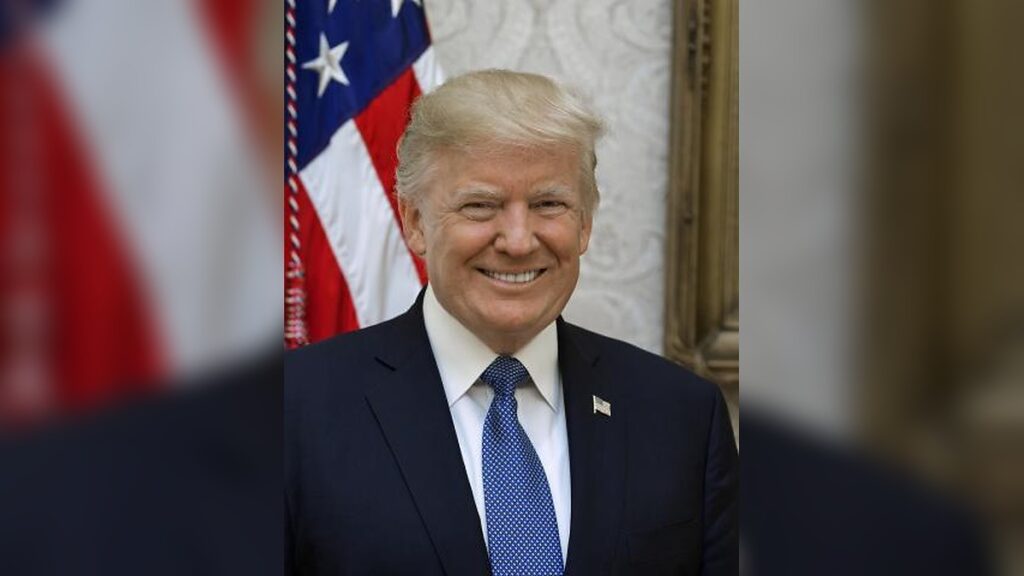
President Donald Trump is reportedly considering whether to authorize additional military action against Iran while his administration continues diplomatic efforts aimed at securing a new agreement over Tehran’s nuclear program.
The deliberations reflect the administration’s attempt to balance military pressure with ongoing negotiations.
Private Security Meetings Examine Military Options
According to a report by The Wall Street Journal, Trump has held private discussions with Defense Secretary Pete Hegseth and Gen. Dan Caine regarding possible future military operations against Iran.
The report says the classified meetings explored scenarios that some administration officials have characterized as an effort to “finish the job,” referring to the possibility of further strikes if circumstances warrant additional action.
White House Seeks to Preserve Diplomatic Momentum
Despite reviewing military options, Trump is reportedly cautious about launching another major offensive that could jeopardize negotiations intended to dismantle Iran’s nuclear capabilities.
The report indicates the president is open to allowing talks to continue beyond the current Aug. 18 deadline if negotiators are making measurable progress toward a broader agreement.
Administration Balances Pressure With Negotiations
The administration has previously responded with limited military strikes following what it viewed as Iranian violations of a ceasefire.
Those actions were followed by renewed hostilities around the Strait of Hormuz, increasing concerns over regional stability and the future of diplomatic efforts.



Officials continue to pursue a strategy that combines military deterrence with negotiations, seeking to encourage concessions from Tehran while maintaining the ability to respond to security threats.
Vice President Outlines Two Possible Paths
Vice President JD Vance provided additional insight into the administration’s approach during an appearance on The Michael Knowles Show podcast.
Vance said the administration is using the current memorandum of understanding to help stabilize global oil markets before determining its next steps.
He explained that the president is weighing two primary options: pursuing a long-term agreement that would require substantial changes in Iran’s behavior or consolidating the gains achieved through previous U.S. military operations.
He added that further military measures remain a possibility if the president concludes they are necessary.
Strait of Hormuz Tensions Remain a Central Concern
The latest escalation followed Iranian drone attacks targeting U.S.-backed commercial cargo vessels transiting the Strait of Hormuz, one of the world’s most strategically important maritime routes through which roughly one-fifth of global oil supplies pass.
The incidents heightened international concerns over the security of commercial shipping and the potential economic consequences of prolonged instability in the region.
White House Defends Military Response
White House Press Secretary Karoline Leavitt defended the administration’s actions, stating that attacks on commercial vessels prompted a direct U.S. response ordered by the president.
She said the administration’s position remains that acts of violence against international shipping will be met with military action when necessary.
Nuclear Demands and Regional Disputes Continue
Negotiators remain divided over several major issues. U.S. officials continue to insist that Iran abandon its nuclear program and relinquish its stockpile of enriched uranium as part of any future agreement.
Iran, meanwhile, is seeking greater influence over navigation through the Strait of Hormuz and has called for the release of billions of dollars in frozen assets held abroad.
Regional Security Remains Under Close Watch
Since tensions escalated, Iran has demonstrated its ability to disrupt maritime traffic using drones, fast attack boats and naval mines, making the Strait of Hormuz a continuing focal point for international security.
As diplomatic discussions proceed alongside military planning, the administration faces the challenge of advancing negotiations while maintaining readiness to respond to further developments in one of the world’s most strategically significant regions.
