
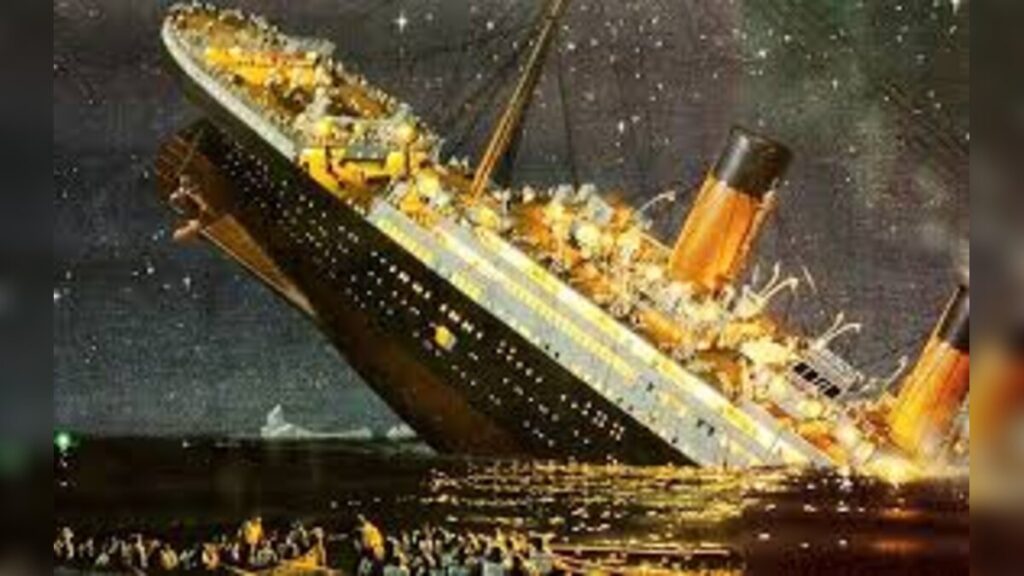
More than a century later, the story of the RMS RMS Titanic still carries a strange weight in global memory.
On 15 April, the world once again looks back at the disaster that claimed over 1,500 lives after the ship struck an iceberg in the North Atlantic in 1912.
The sinking wasn’t just a maritime catastrophe—it became a defining moment in history, remembered for its human stories, lost dreams, and shocking scale of loss.
A Luxury Voyage That Ended in Disaster
The Titanic set sail on its maiden journey from Southampton on 10 April 1912, heading for New York.
Built as one of the most advanced ships of its time, it was widely believed to be “unsinkable.”
But on the night of 14 April, the ship struck an iceberg.
Within hours, what was meant to be a celebration of engineering turned into chaos as the vessel slowly broke apart and sank into freezing waters just after 2:20am on 15 April.
Only a fraction of the more than 2,200 passengers and crew survived.
The Forgotten Connection: South Africans on Board
Among those aboard were several passengers with ties to South Africa—an aspect of the tragedy often overlooked in popular retellings.
Historical records suggest at least a handful of individuals linked to the Cape Colony and Cape Town were on the ship, including families travelling together for migration, work, or new opportunities abroad.
Who Were the South Africans on the Titanic?
Passengers connected to South Africa included:




- Thomas William Solomon Brown, a hotelier from Kuilsrivier near Cape Town
- Elizabeth Catherine Brown, his wife
- Edith Eileen Brown, their teenage daughter
- Charles Henry Chapman, a widower originally from Cape Town
- Sidney Samuel Jacobsohn, a lawyer born in Cape Town
- Charles Kennell, a ship’s cook from Cape Town
These passengers were scattered across different classes of the ship, but all found themselves caught in the same unfolding disaster.
Survival, Loss, and Stories That Endured
Not all of them survived. Some, like Chapman, were later recovered and identified, while others were never found at all.
The Brown family story is one of the most detailed accounts.
Edith Brown survived and later described the terrifying final hours—how passengers were hurried into lifeboats, how families were separated, and how the ship’s lights gradually disappeared beneath the sea.
Her testimony remains one of the most human windows into the sinking, capturing panic, confusion, and heartbreak.
Why the Titanic Still Matters Today
The sinking of the Titanic wasn’t just about one ship—it led to major reforms in maritime safety.
Lifeboat regulations were changed, international ice patrol systems were introduced, and passenger safety standards were overhauled.
Beyond policy, the tragedy continues to resonate because it reflects something timeless: how quickly certainty can collapse in the face of disaster.
Other Known Historical Context
Over the years, the Titanic story has remained alive through films, books, and investigations.
The 1997 blockbuster by Titanic reignited global interest, while modern maritime studies continue to examine what went wrong—from lifeboat shortages to delayed iceberg warnings.
It also remains one of the most studied disasters in transportation history.
Impact and Consequences
- Triggered sweeping reforms in maritime safety laws worldwide
- Introduced stricter lifeboat requirements for passenger ships
- Led to the creation of international ice patrol monitoring in the Atlantic
- Preserved rare firsthand accounts of survival and loss
- Cemented the Titanic as a global symbol of human vulnerability
What’s Next?
Even after 114 years, interest in the Titanic shows no sign of fading.
New research, underwater exploration of the wreck site, and historical archives continue to reveal fresh details.
Future commemorations will likely focus more on personal stories like those of the South Africans aboard, ensuring individual lives are not lost within the scale of the tragedy.
Summary
The sinking of the Titanic remains one of history’s most haunting disasters.
Among its many passengers were South Africans whose stories reflect both the global nature of the voyage and the deeply personal impact of its end.
Their experiences continue to remind the world of how fragile even the most advanced achievements can be.
Bulleted Takeaways
- Titanic sank on 15 April 1912 after hitting an iceberg
- Over 1,500 people died in the disaster
- Several passengers had South African connections
- Some survived, while others were never recovered
- The disaster led to major global maritime safety reforms
- The story remains culturally significant more than a century later
- Personal accounts continue to shape how the tragedy is remembered

