
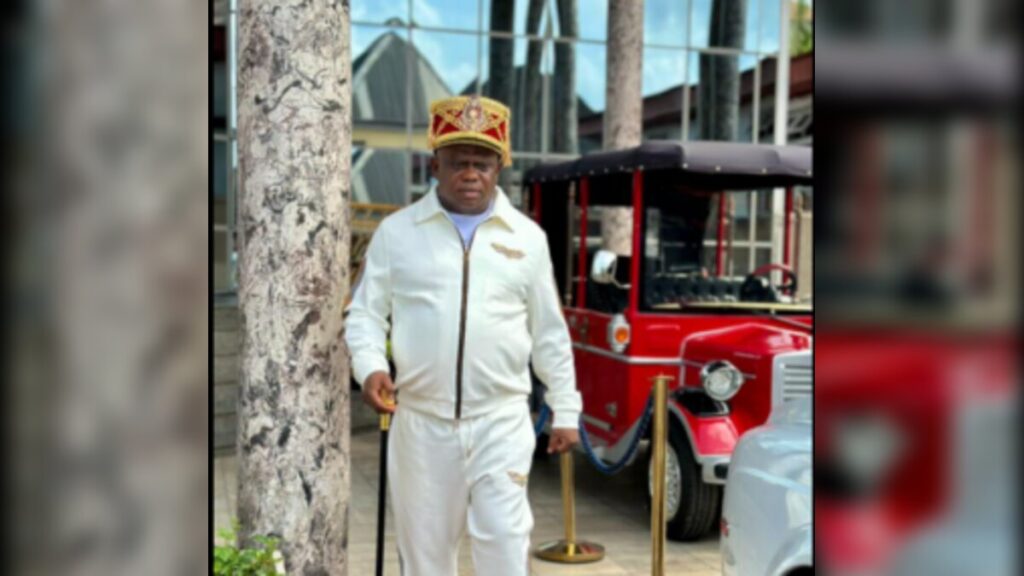
A fresh wave of public discussion has followed a statement from Chibuzor Chinyere, who revealed plans to facilitate a marriage involving one of his adopted daughters, a 21-year-old woman living with autism named Chiemeka Chibuzor.
The announcement, shared through Facebook, immediately drew attention because of the conditions attached, the welfare guarantees promised, and the wider ethical questions it has reopened about guardianship and decision-making for persons with developmental disabilities.
The Proposal Shared on Social Media
Chinyere explained that the arrangement was intended as a form of long-term care and stability for the young woman.
According to his post, the prospective husband would need to be physically and mentally fit, and also capable of taking responsibility for her well-being.
He further described the plan as a protective structure, stressing that Chiemeka can communicate and hear, and is capable of social interaction, but requires additional care and support due to her condition.
Incentives and Welfare Package Attached
What made the announcement particularly controversial was the list of benefits attached to the arrangement.
The cleric outlined a support package that includes financial assistance for life, housing provision, and property jointly owned by both partners.
He also stated that his organisation would maintain oversight through periodic welfare checks, ensuring that the woman’s living conditions remain safe and stable.
The intention, according to him, is to guarantee dignity and protection over time.
A Pattern That Has Drawn Attention Before
This is not the first time such an arrangement has come from the same religious organisation.
Earlier in the year, Chinyere organised the marriage of a non-verbal autistic man popularly known as “Aboy,” who later took the name Elijah after the ceremony held on March 29.




That event also included a structured support system, including housing and material gifts, and was promoted as part of the ministry’s welfare outreach for vulnerable individuals.
Public Reaction and Ethical Questions
The earlier ceremony triggered strong reactions from observers and advocacy voices, particularly around issues of consent, autonomy, and whether individuals with cognitive disabilities can fully participate in marital decisions under such arrangements.
Critics argued that even when welfare is provided, the line between care and control can become blurred, especially when institutions or guardians play a central role in choosing partners.
Supporters, however, view the initiatives as a form of social protection in environments where state welfare systems for persons with disabilities remain limited.
Broader Context Around Disability and Care in Nigeria
Across Nigeria, support structures for people living with autism and other developmental conditions remain uneven, with much of the care provided by families, charities, and religious organisations.
Groups like Autism Society of Nigeria have consistently pushed for stronger legal protections, better education access, and clearer guidelines around guardianship and consent.
This wider gap in formal support systems often shapes how private actors step into caregiving roles.
Impact and Consequences
The latest announcement is likely to intensify national debate about disability rights, religious influence in social welfare, and ethical boundaries in caregiving arrangements.
It also places renewed scrutiny on how vulnerable adults are supported in society, especially when major life decisions such as marriage are involved.
In the short term, it may increase pressure on advocacy groups and policymakers to clarify legal frameworks around consent, guardianship, and institutional involvement in personal relationships.
What’s Next?
Going forward, public reaction will likely determine whether such arrangements continue without formal review or whether regulatory bodies begin to engage more directly.
There may also be renewed calls for clearer disability rights legislation and stronger oversight of organisations involved in caregiving roles.
Religious institutions and welfare organisations could face increased questioning about how far their authority should extend into personal life decisions.
Summary
The announcement by Chibuzor Chinyere has reignited a sensitive national conversation about care, consent, and dignity for persons living with autism.
While presented as a welfare-driven arrangement, it has raised significant ethical concerns, especially given Nigeria’s ongoing struggle with structured disability support systems.
The debate now sits at the intersection of faith-based welfare, human rights, and social responsibility.
Bulleted Takeaways
- Chibuzor Chinyere announced marriage plans for an adopted 21-year-old woman with autism
- The proposal includes financial support, housing, and property benefits for the groom
- Regular welfare monitoring by the ministry was also promised
- Similar arrangement previously organised for a non-verbal autistic man named Elijah
- Public debate continues over consent, ethics, and dignity in such arrangements
- Disability advocacy groups continue to push for stronger legal protections in Nigeria
- The issue highlights gaps in formal welfare systems for people with disabilities
- Broader scrutiny of faith-based intervention in personal lives is expected to increase

