
Tesla is preparing to reduce production of its Cybertruck from the middle of 2027, as the electric vehicle manufacturer makes room at its Texas factory for increased production of its autonomous Cybercab robotaxis.
Elon Musk confirmed that the company intends to wind down manufacturing of the stainless steel pick-up at Gigafactory Texas, marking a major change in the future of the vehicle.
The decision comes after the Cybertruck experienced a series of recalls, declining sales and difficulties meeting road safety requirements in European markets.
Controversial Design Attracted Attention From Launch
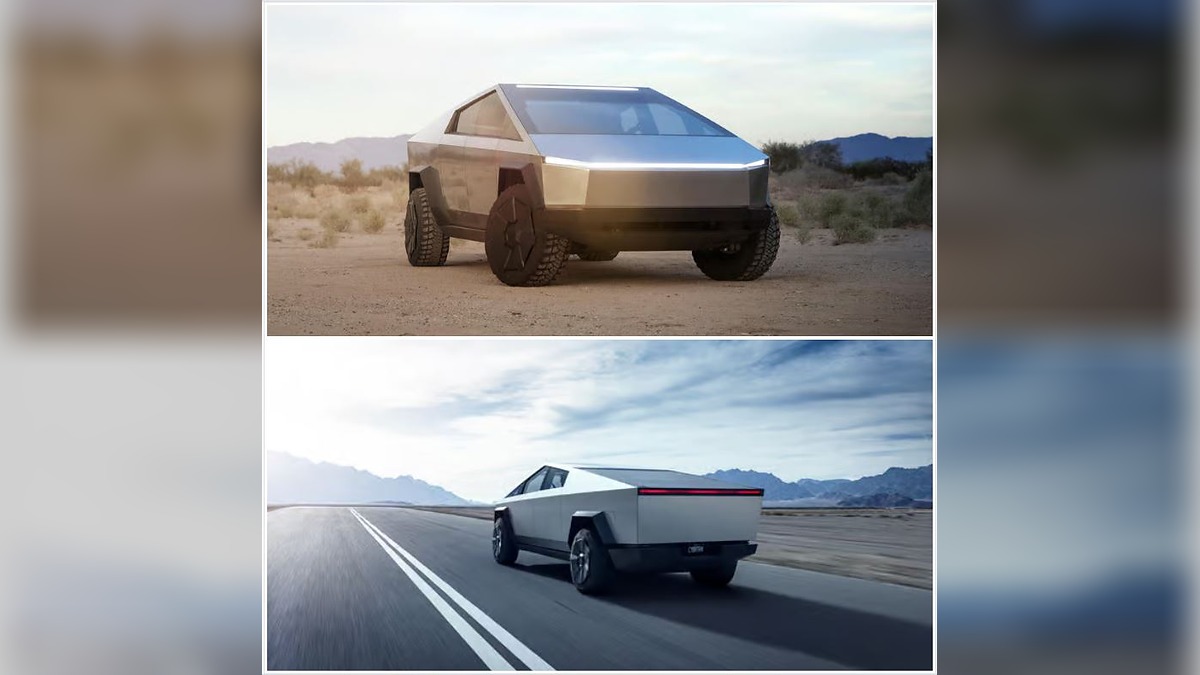
First unveiled in 2019, the Cybertruck attracted widespread attention because of its unusually large size, angular bodywork and stainless steel exterior.
Its futuristic appearance differed significantly from conventional pick-up trucks, with its sharp edges and distinctive shape contributing to its controversial reception.
The vehicle also encountered problems during its launch presentation. A demonstration intended to showcase the strength of its windows ended awkwardly when a metal ball shattered the supposedly toughened glass.
Customer deliveries eventually began in late 2023, but the vehicle continued to face technical and safety-related difficulties.
Series of Recalls Raised Safety Concerns
Since reaching customers, the Cybertruck has been subject to multiple recalls involving components such as the accelerator pedal, windscreen wiper, reversing camera and exterior trim.
Some of the identified problems were addressed through software updates, while others required physical repairs.
One major recall affected more than 46,000 vehicles after concerns emerged that an exterior panel could detach while the truck was being driven.




The repeated interventions added to the challenges facing the electric pick-up as Tesla sought to establish it in the market.
European Safety Rules Create Barriers
The Cybertruck’s design has also prevented it from securing approval for unrestricted sales across European markets.
It has not received EU-wide type approval, which is required for a vehicle to be sold freely throughout the bloc.
Concerns have centred on its weight, dimensions and unusually sharp exterior features, which have raised questions about compliance with European regulations intended to protect pedestrians and other road users.
The vehicle has also never officially been launched for sale in the United Kingdom.
In January 2025, police seized a Cybertruck being driven near Manchester after discovering that it was registered and insured abroad and could not legally be driven on UK roads under those circumstances.
Cybertruck Sales Fall Short of Expectations
Despite the attention surrounding its launch, Cybertruck sales have not reached the levels previously discussed by Musk.
Tesla sold almost 39,000 units in the United States during 2024, but sales fell sharply the following year.
The decline has added to the difficulties surrounding the vehicle as Tesla considers how to allocate production capacity at its Texas facility.
Cybercab Takes Priority at Texas Factory
Tesla is shifting its focus towards the Cybercab, a two-seat autonomous vehicle designed to operate without conventional pedals or a steering wheel.
Musk said the company would reduce Cybertruck manufacturing to create additional space for the robotaxi programme.
“Tesla will be winding down production of the Cybertruck at Gigafactory Texas around the middle of next year to make room for increased Cybercab production,” he said.
The planned production changes are expected to begin around the middle of 2027, although Tesla’s announcement does not mean the Cybertruck will immediately disappear from the market.
The move marks a change in the company’s manufacturing priorities following years of recalls, weaker-than-expected sales and regulatory difficulties surrounding the vehicle.
