
A fresh political row has erupted over the future of social care funding, with Reform UK urging Prime Minister Andy Burnham to publicly reject speculation that his government could introduce a levy on inherited estates to finance sweeping changes to the care system.
The party warned that uncertainty surrounding potential tax proposals is causing anxiety for families and called on the Prime Minister to provide immediate reassurance.
Reform also argued that if such assurances cannot be given, the government should seek a fresh mandate from voters through a general election.
Cost of Universal Care Raises Funding Questions
The dispute comes as Burnham continues to prioritize reforming England’s struggling social care system, describing the issue as one requiring urgent action.
His long-term ambition is to establish a national care service that would make social care free at the point of use.
Analysts have estimated that delivering such a system could require approximately £18 billion in additional annual funding.
Recent comments from the Prime Minister about the need for “difficult decisions” on public finances have intensified speculation that new tax measures could be introduced to support the reforms.
Estate Levy Proposal Returns to Political Spotlight
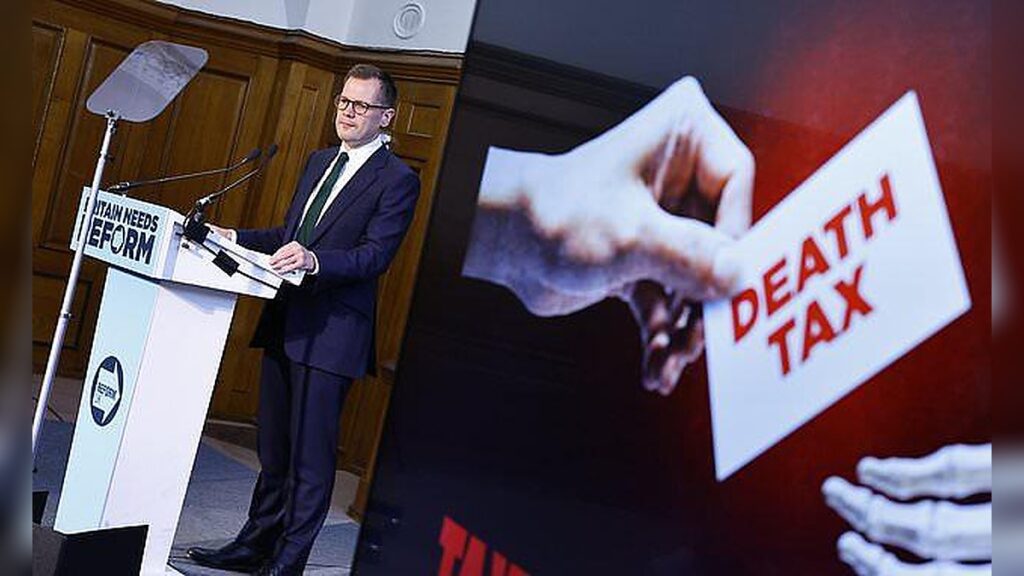
One of the proposals attracting attention is the possibility of a 10 percent charge on estates after death, an idea critics have labeled a “death tax.”
The concept has resurfaced because it was previously associated with Burnham during his time as health secretary in 2010.
Separate reports have also suggested that government officials have explored alternative funding models, including a new income-based tax dedicated to social care, although no final decision has been announced.




Reform Labels Potential Tax Unfair and Punitive
Speaking at a press conference, Reform UK’s Treasury spokesman Robert Jenrick said his party would firmly oppose any inheritance-based levy, describing it as unfair, impractical, and damaging to hardworking families.
Jenrick argued that people already pay taxes throughout their working lives and should not face what he characterized as another layer of taxation after death.
He warned that such a policy could leave Britain with one of the highest inheritance tax burdens among Western nations while reducing the ability of families to pass wealth to future generations.
He also pledged that a future Reform government would repeal any such tax if it were introduced before the next general election.
Exclusion From Cross-Party Talks Sparks Criticism
Alongside opposing the proposed funding model, Reform criticized the government’s decision not to invite party leader Nigel Farage to this week’s cross-party discussions on social care reform.
Jenrick described the exclusion as both surprising and disrespectful, arguing that Reform deserves a place at the table because it now oversees 30 local councils responsible for delivering social care services.
According to him, the party has direct experience managing the pressures facing the sector and should be involved in shaping long-term solutions.
Reform Defends Its Commitment to Social Care
Responding to questions about the party’s health policy, Jenrick rejected suggestions that Reform lacks credibility because it has yet to appoint a dedicated health spokesman.
He insisted the party’s record in local government demonstrates its commitment to addressing the social care crisis, emphasizing that Reform-led councils are dealing with the daily realities of providing services.
He maintained that the party supports reform but believes the financial burden should not fall on families through additional taxation on their homes or estates.
Burnham Seeks Cross-Party Cooperation
Burnham has repeatedly argued that fixing social care requires broad political cooperation and has said he is willing to invest significant political capital in achieving lasting reform.
While Reform was excluded from this week’s leadership discussions, Jenrick said the party has participated in Baroness Casey’s broader review of social care and remains open to constructive engagement if invited.
However, he stressed that Reform’s participation in future talks would depend on the government first ruling out any estate-based levy or similar tax increases on working people.
Debate Over Funding Set to Continue
With ministers yet to reveal how a national care service would be financed, the debate over tax increases is expected to remain central to the political conversation in the coming months.
As pressure mounts on the government to outline its funding strategy, both supporters and critics of the proposed reforms are demanding greater clarity over how the ambitious overhaul of social care will be paid for without placing additional financial pressure on households.
