
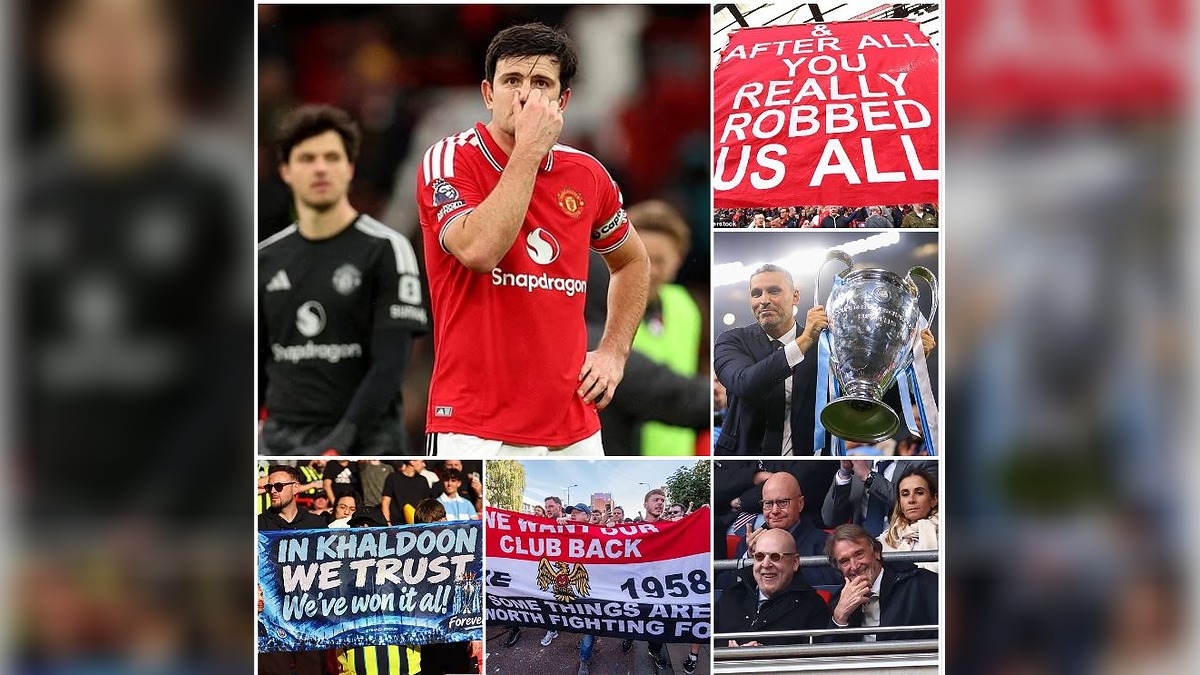
Manchester United supporters directed their frustration at the club’s owners and players following Sunday’s 3-0 home defeat to Bournemouth, rather than focusing their criticism on manager Michael Carrick.
The result left United 16th in the Premier League table, prompting chants and protests against the Glazer family and Sir Jim Ratcliffe.
Managers have traditionally faced much of the anger when clubs struggle. Former Southampton manager Ian Branfoot was targeted by a fanzine headline in 1993 reading, “We hope you die soon,” while banners demanding that Arsène Wenger leave Arsenal became a familiar feature of football protests.
At Old Trafford, however, supporters made the club’s ownership the main focus of their anger.
Manchester United’s Debt and Financial Burden Fuel Protests
United supporters have criticised the Glazers over the debt associated with their 2005 takeover of the club, which has grown to more than £1.15 billion.
The club has paid £852 million in interest, including £37 million in the latest financial year, up from £34 million in the previous year.
Fans have also objected to the club’s approach to season-ticket holders, arguing that efforts to attract more tourists and occasional visitors risk pushing out long-standing supporters.
Updates about plans for a new stadium were also met with derision during Sunday’s match. Some fans fear the project and the ticket prices associated with it could make attending matches increasingly difficult for existing supporters.
Manchester City Faces Scrutiny Over Premier League Case
Manchester City supporters are also facing questions about the club’s ownership, although the response among the fanbase has differed from the protests at Old Trafford.
The club’s owners in Abu Dhabi have invested heavily in City, overseeing a period of sustained success that included four consecutive Premier League titles earlier this decade.



City, however, have been found guilty of breaching Premier League rules in a case covering the period from 2009 to 2018. The club’s owners have challenged the league’s position and have expressed confidence in their appeal, reportedly pointing to what they describe as “irrefutable evidence”.
The outcome of the legal process remains uncertain.
Debate Over Manchester City’s Ownership and Reputation
City’s ownership has drawn criticism over the use of the club’s sporting success to improve the international image of Abu Dhabi and its government, a practice commonly described as sportswashing.
The club’s achievements under manager Pep Guardiola have raised its global profile, while its owners’ involvement in the sport has prompted debate about the influence of state-backed investment.
The criticism has also focused on the club’s reputation following the Premier League case. Opponents argue that the findings could have lasting consequences for how City are viewed by rival supporters, regardless of the outcome of the appeal.
Financial Regulations at Centre of Premier League Debate
Manchester City and its supporters have challenged aspects of the Premier League’s financial regulations, with some presenting the rules as favouring established clubs.
The debate includes Squad Cost Ratio controls, which restrict the proportion of club revenue that can be spent on certain squad costs.
Critics of removing such controls argue that state-backed clubs, including Manchester City and Saudi-owned Newcastle United, could have a significant financial advantage over other Premier League teams.
Without spending restrictions, clubs such as Aston Villa, Everton and Tottenham Hotspur could face greater difficulty competing for the league title, according to those opposing the changes.
Manchester City also previously supported the proposed European Super League, while the club has recruited prominent players from other English teams, including ambitious sides outside the traditional leading group.
Questions Over the Future of Manchester Football
The ownership structures at Manchester United and Manchester City have become central to wider debates about the modern game.
United supporters have protested against what they regard as the financial and sporting consequences of the club’s ownership, while City’s ownership has been scrutinised over state-backed investment and the Premier League’s findings against the club.
The two Manchester clubs have experienced contrasting sporting fortunes, but both have faced questions about the influence of their owners on their identities and reputations.
For United, Sunday’s defeat intensified supporters’ anger at the Glazers and Ratcliffe. For City, the legal dispute with the Premier League continues, with the outcome of the appeal yet to be determined.

