
Badminton’s biggest names have built fortunes far beyond tournament prize money, with sponsorships, endorsements and commercial ventures playing an increasingly important role in their financial success.
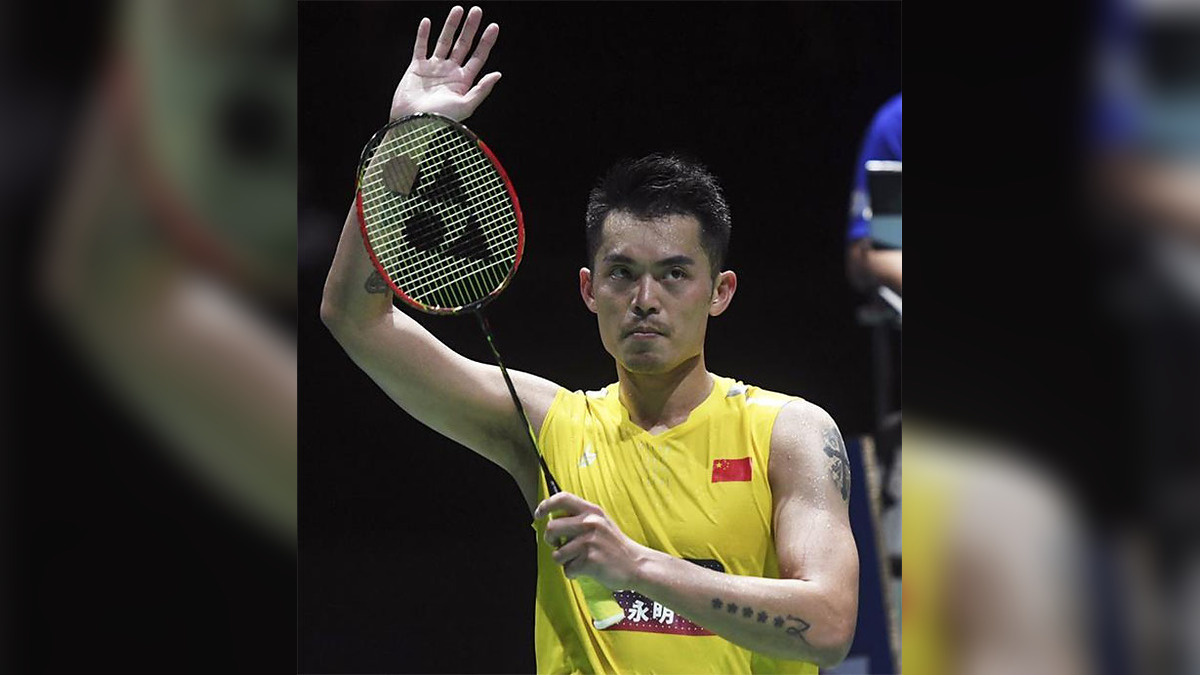
Among the sport’s most decorated players, Lin Dan stands out at the top, with his estimated wealth placed between $30 million and $50 million. The Chinese great’s two Olympic titles and five World Championship victories helped establish him as one of badminton’s most commercially valuable athletes.
Five players dominate the wealth rankings
The estimated fortunes of the five players featured in the ranking range from about $6 million to as much as $50 million.
| Rank | Player | Country | Estimated net worth |
|---|---|---|---|
| 1 | Lin Dan | China | $30–50 million |
| 2 | Lee Chong Wei | Malaysia | $16 million |
| 3 | Viktor Axelsen | Denmark | $10–12 million |
| 4 | P.V. Sindhu | India | $7.2 million |
| 5 | Lakshya Sen | India | $6 million |
The estimates incorporate factors such as tournament earnings, sporting support, endorsements and business interests. Because athletes do not generally publish complete personal financial records, the figures should be treated as estimates rather than confirmed wealth declarations.
Lin Dan’s achievements put him in a league of his own
Lin Dan, widely known as “Super Dan,” built one of the most decorated careers in badminton history.
The Chinese star won Olympic singles gold in 2008 and 2012, becoming the only men’s singles player to win consecutive Olympic titles. He also collected five World Championship titles, two Asian Games gold medals, four Asian Championship titles and six All England crowns.
His success on the court translated into major commercial opportunities, with brands including Yonex, Nike and Audi associated with the former world champion during his career.
Lin Dan retired from professional badminton in July 2020, but his commercial profile has helped keep him at the top of the wealth rankings.
A scandal tested Lin Dan’s reputation
Lin Dan’s career was not without controversy.
In 2016, while his wife Xie Xingfang was pregnant, photographs emerged online that sparked allegations of an affair involving the badminton star and Chinese actress and model Zhao Yaqi.
The controversy generated enormous attention in China and internationally, but Lin Dan publicly apologised and accepted responsibility for his actions.
Xie Xingfang ultimately remained with him, while his commercial career continued. The episode became one of the most controversial chapters in the life of an athlete otherwise celebrated for his sporting achievements.
Lee Chong Wei built a $16 million fortune
Malaysia’s Lee Chong Wei occupies second place, with an estimated net worth of around $16 million.
Lee won three Olympic silver medals and spent a remarkable 349 weeks as the world’s No. 1 men’s singles player.
Although he never captured an Olympic gold or World Championship title, his consistency and longevity made him one of the most recognisable badminton players of his generation.
Lee retired in 2019 after a career that also saw him receive the Malaysian honorific title Datuk. His status as a national sporting icon has continued long after his retirement.
Axelsen combines Olympic dominance with commercial success
Denmark’s Viktor Axelsen is estimated to be worth between $10 million and $12 million, putting him third on the list.
Axelsen won Olympic bronze at Rio 2016 before claiming gold at Tokyo 2020 and successfully defending his Olympic title at Paris 2024.
He also won two World Championship titles and spent a total of 183 weeks at the top of the men’s singles rankings across several periods.
Axelsen announced his retirement in April 2026, bringing an end to a 16-year professional career that established him as one of the dominant players of the modern era.
Sindhu leads the women’s side
India’s P.V. Sindhu is estimated to have a fortune of approximately $7.2 million, making her the highest-ranked woman on the list.
Sindhu became the first Indian badminton player to win a World Championship singles title when she claimed gold in 2019.
Her commercial value has been particularly significant. She has secured major endorsement partnerships, including a reported four-year deal worth Rs 50 crore with Li Ning, while also working with brands such as Maybelline, Bank of Baroda and Asian Paints.
Her repeated appearances on Forbes’ highest-paid female athletes lists demonstrate the scale of her earning power beyond tournament winnings.
Lakshya Sen is the youngest name on the list
At an estimated $6 million, India’s Lakshya Sen completes the top five.
Born in 2001, Sen has already established himself as one of India’s leading young badminton players. His breakthrough included winning gold at the 2022 Commonwealth Games, while he also reached the semi-finals at the Paris 2024 Olympics.
In 2025, he won the Australian Open, adding another significant title to his growing résumé.




His relatively young age means his commercial prospects could expand considerably if he continues to achieve success at the highest level.
Endorsements have transformed badminton fortunes
The rankings also highlight how elite badminton players can generate substantial wealth away from prize money.
For the biggest names, sponsorship agreements, advertising campaigns, government sporting support and business ventures can become as important as tournament earnings.
That is particularly evident in the cases of Lin Dan and Sindhu, whose international profiles have attracted major commercial partnerships throughout their careers.
Badminton’s biggest fortunes extend beyond the court
The wealth accumulated by these five players reflects more than medals and tournament victories.
Lin Dan’s unprecedented collection of major titles helped create a global brand around his name, while Lee Chong Wei converted extraordinary consistency into long-term commercial success. Axelsen, Sindhu and Sen represent different stages of the same process, with their sporting achievements opening doors to lucrative commercial opportunities.
Although the exact value of each player’s assets and investments remains difficult to verify publicly, their careers demonstrate how elite badminton has evolved into a global business as well as a competitive sport.
Badminton’s biggest names have built fortunes far beyond tournament prize money, with sponsorships, endorsements and commercial ventures playing an increasingly important role in their financial success.
Among the sport’s most decorated players, Lin Dan stands out at the top, with his estimated wealth placed between $30 million and $50 million. The Chinese great’s two Olympic titles and five World Championship victories helped establish him as one of badminton’s most commercially valuable athletes.
Five players dominate the wealth rankings
The estimated fortunes of the five players featured in the ranking range from about $6 million to as much as $50 million.
| Rank | Player | Country | Estimated net worth |
|---|---|---|---|
| 1 | Lin Dan | China | $30–50 million |
| 2 | Lee Chong Wei | Malaysia | $16 million |
| 3 | Viktor Axelsen | Denmark | $10–12 million |
| 4 | P.V. Sindhu | India | $7.2 million |
| 5 | Lakshya Sen | India | $6 million |
The estimates incorporate factors such as tournament earnings, sporting support, endorsements and business interests. Because athletes do not generally publish complete personal financial records, the figures should be treated as estimates rather than confirmed wealth declarations.
Lin Dan’s achievements put him in a league of his own
Lin Dan, widely known as “Super Dan,” built one of the most decorated careers in badminton history.
The Chinese star won Olympic singles gold in 2008 and 2012, becoming the only men’s singles player to win consecutive Olympic titles. He also collected five World Championship titles, two Asian Games gold medals, four Asian Championship titles and six All England crowns.
His success on the court translated into major commercial opportunities, with brands including Yonex, Nike and Audi associated with the former world champion during his career.
Lin Dan retired from professional badminton in July 2020, but his commercial profile has helped keep him at the top of the wealth rankings.
A scandal tested Lin Dan’s reputation
Lin Dan’s career was not without controversy.
In 2016, while his wife Xie Xingfang was pregnant, photographs emerged online that sparked allegations of an affair involving the badminton star and Chinese actress and model Zhao Yaqi.
The controversy generated enormous attention in China and internationally, but Lin Dan publicly apologised and accepted responsibility for his actions.
Xie Xingfang ultimately remained with him, while his commercial career continued. The episode became one of the most controversial chapters in the life of an athlete otherwise celebrated for his sporting achievements.
Lee Chong Wei built a $16 million fortune
Malaysia’s Lee Chong Wei occupies second place, with an estimated net worth of around $16 million.
Lee won three Olympic silver medals and spent a remarkable 349 weeks as the world’s No. 1 men’s singles player.
Although he never captured an Olympic gold or World Championship title, his consistency and longevity made him one of the most recognisable badminton players of his generation.
Lee retired in 2019 after a career that also saw him receive the Malaysian honorific title Datuk. His status as a national sporting icon has continued long after his retirement.
Axelsen combines Olympic dominance with commercial success
Denmark’s Viktor Axelsen is estimated to be worth between $10 million and $12 million, putting him third on the list.
Axelsen won Olympic bronze at Rio 2016 before claiming gold at Tokyo 2020 and successfully defending his Olympic title at Paris 2024.
He also won two World Championship titles and spent a total of 183 weeks at the top of the men’s singles rankings across several periods.
Axelsen announced his retirement in April 2026, bringing an end to a 16-year professional career that established him as one of the dominant players of the modern era.
Sindhu leads the women’s side
India’s P.V. Sindhu is estimated to have a fortune of approximately $7.2 million, making her the highest-ranked woman on the list.
Sindhu became the first Indian badminton player to win a World Championship singles title when she claimed gold in 2019.
Her commercial value has been particularly significant. She has secured major endorsement partnerships, including a reported four-year deal worth Rs 50 crore with Li Ning, while also working with brands such as Maybelline, Bank of Baroda and Asian Paints.
Her repeated appearances on Forbes’ highest-paid female athletes lists demonstrate the scale of her earning power beyond tournament winnings.
Lakshya Sen is the youngest name on the list
At an estimated $6 million, India’s Lakshya Sen completes the top five.
Born in 2001, Sen has already established himself as one of India’s leading young badminton players. His breakthrough included winning gold at the 2022 Commonwealth Games, while he also reached the semi-finals at the Paris 2024 Olympics.
In 2025, he won the Australian Open, adding another significant title to his growing résumé.
His relatively young age means his commercial prospects could expand considerably if he continues to achieve success at the highest level.
Endorsements have transformed badminton fortunes
The rankings also highlight how elite badminton players can generate substantial wealth away from prize money.
For the biggest names, sponsorship agreements, advertising campaigns, government sporting support and business ventures can become as important as tournament earnings.
That is particularly evident in the cases of Lin Dan and Sindhu, whose international profiles have attracted major commercial partnerships throughout their careers.
Badminton’s biggest fortunes extend beyond the court
The wealth accumulated by these five players reflects more than medals and tournament victories.
Lin Dan’s unprecedented collection of major titles helped create a global brand around his name, while Lee Chong Wei converted extraordinary consistency into long-term commercial success. Axelsen, Sindhu and Sen represent different stages of the same process, with their sporting achievements opening doors to lucrative commercial opportunities.
Although the exact value of each player’s assets and investments remains difficult to verify publicly, their careers demonstrate how elite badminton has evolved into a global business as well as a competitive sport.

