
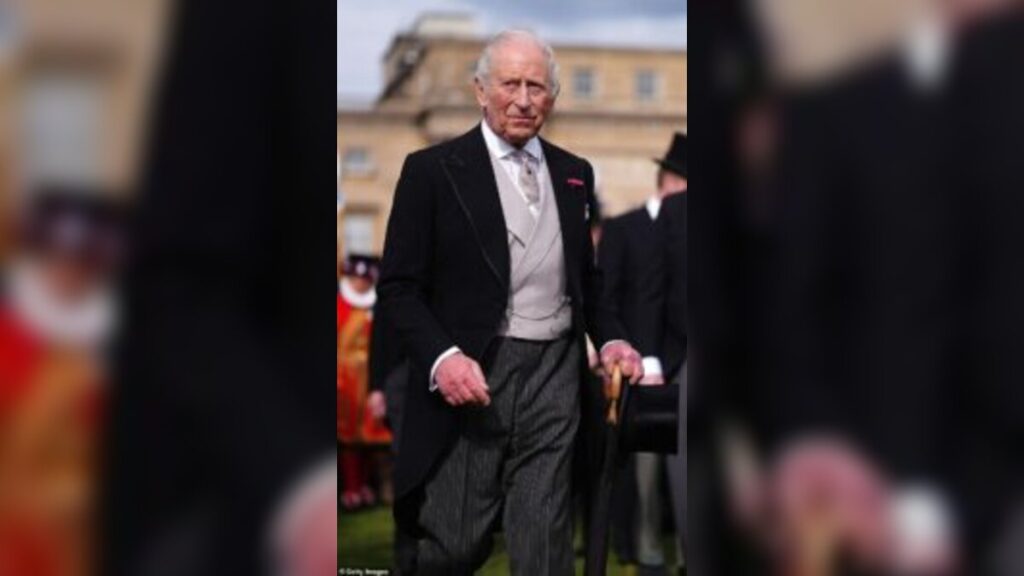
Britain’s ceremonial State Opening of Parliament was supposed to focus on the Government’s plans for the months ahead.
Instead, attention shifted dramatically toward growing instability inside Labour, with Prime Minister Keir Starmer fighting to hold onto his position while the King prepared to present his administration’s legislative agenda.
The striking contrast between royal tradition and political turmoil created one of the most tense backdrops to a King’s Speech in recent years.
While the monarchy carried out centuries-old rituals with precision, Westminster was consumed by rumours of resignations, leadership plots and fears of a possible collapse at the top of Government.
Royal Ceremony Takes Centre Stage Amid Political Uncertainty
At the heart of the day’s events was King Charles III, who formally opened Parliament in a display steeped in pageantry.
The State Opening remains one of the UK’s most symbolic constitutional moments, featuring royal guards, ceremonial robes and the traditional speech delivered from the House of Lords.
Yet behind the grandeur sat a deeply uncomfortable reality.
The King was expected to outline policies crafted by a government whose future suddenly appeared uncertain.
Critics argued the monarch had been unwillingly pulled into Labour’s internal crisis, with some describing the situation as politically embarrassing and chaotic.
The King’s Speech traditionally sets out the Government’s priorities for the parliamentary session ahead.
This year’s proposals reportedly included closer cooperation with the European Union, measures linked to Net Zero climate goals and wider domestic reforms.
However, questions quickly emerged over whether the current administration would survive long enough to carry those plans through Parliament.
Pressure Mounts on Keir Starmer Inside Labour
The political storm intensified after a wave of resignations from Labour ministers triggered open discussion about Sir Keir’s future as Prime Minister.
The resignations followed disappointing local election results that rattled confidence within the party.
Reports suggested around 90 Labour MPs had either privately or publicly indicated they wanted a leadership change.
That level of unrest pointed to a party increasingly divided over strategy, direction and electoral credibility.
Among the most closely watched developments was Sir Keir’s meeting with Health Secretary Wes Streeting, who was reportedly being urged by some MPs to support efforts to replace the Prime Minister.
At the same time, Home Secretary Shabana Mahmood found herself forced to reject claims she was preparing to resign after allegedly asking the Prime Minister to outline a timetable for stepping down.
The drama exposed widening cracks within Labour only months after entering government.
David Lammy Warns Party Against “Navel Gazing”
Deputy Prime Minister David Lammy attempted to calm tensions by urging Labour MPs to stop focusing on internal warfare.
He reportedly warned colleagues that endless political infighting was damaging public confidence and distracting the Government from national priorities.
His comments reflected growing concern that Labour risked appearing unstable at a time when voters were already anxious about the economy and public services.



Political analysts noted that leadership disputes so early in a parliamentary term are rare and often difficult to recover from.
Public divisions can weaken authority both inside Parliament and internationally.
Financial Markets React to Leadership Turmoil
The uncertainty in Westminster also spilled into financial markets, where investors reacted nervously to the possibility of a sudden leadership change.
Government borrowing costs reportedly climbed to their highest levels this century, while the British pound weakened against both the US dollar and the euro.
Traders appeared concerned that a replacement leader could push the Government toward more aggressive spending policies or shift economic priorities further to the Left.
Market instability has become increasingly sensitive in Britain since the fallout from the 2022 mini-budget crisis under former Prime Minister Liz Truss.
Investors now closely monitor any signs of political instability that could affect fiscal policy.
There were also reports that allies of Greater Manchester Mayor Andy Burnham believed markets would eventually “fall into line” if he emerged as a potential successor.
Even so, the immediate financial reaction highlighted deep investor unease.
Donald Trump Adds International Attention
Across the Atlantic, former US President Donald Trump weighed in on the crisis with unusually blunt remarks.
Trump suggested the decision to resign rested with Starmer himself, but criticised the Prime Minister’s handling of the country, claiming he was “windmilling the country to death.”
Although foreign commentary on British leadership struggles is not uncommon, Trump’s intervention amplified the international spotlight on the unfolding turmoil.
Why the King’s Speech Matters So Much
The King’s Speech is more than ceremonial theatre.
It outlines the legislative direction of the government and acts as a test of political authority.
If a governing party appears fractured or unstable during such a critical constitutional moment, it can weaken confidence among MPs, investors and international partners alike.
Historically, British prime ministers facing open rebellion from within their own party often struggle to regain control.
Leadership speculation can quickly overshadow policy announcements, making it harder for governments to push legislation through Parliament.
In this case, even major proposals around Net Zero, healthcare reform and UK-EU relations risked being buried beneath headlines about leadership survival.
Impact and Consequences
The fallout from Labour’s internal conflict could have significant consequences for both politics and the economy.
A prolonged leadership battle may delay legislation, weaken confidence in government institutions and make it harder to address major national issues such as inflation, healthcare pressures and public spending.
Financial volatility could also increase if investors believe Britain is heading toward another period of political instability.
Rising borrowing costs place additional pressure on government finances, potentially affecting future budgets and public investment.
For Labour, the crisis risks damaging the party’s public image at a crucial stage.
Voters often punish parties seen as divided, especially when leadership disputes dominate headlines instead of policy achievements.
The monarchy may also face uncomfortable scrutiny whenever royal ceremonies become entangled with political controversy, even though the King remains constitutionally neutral.
What’s Next?
Attention will now turn to whether Sir Keir can restore authority within Labour and prevent further resignations or rebellion.
Several key developments are likely in the coming days:
- Private meetings between senior Labour figures could determine whether support for Starmer stabilises or collapses further.
- Financial markets will continue monitoring political developments closely.
- Opposition parties are expected to exploit Labour’s divisions during parliamentary debates.
- Any new resignations from Cabinet ministers could dramatically escalate pressure on the Prime Minister.
- The Government’s ability to pass legislation from the King’s Speech may become an early test of Starmer’s control.
If the unrest continues, speculation around possible successors could intensify rapidly.
Summary
The State Opening of Parliament, normally a carefully choreographed display of stability and tradition, unfolded under the shadow of a growing political crisis inside Labour.
While King Charles III delivered the Government’s legislative agenda, Prime Minister Keir Starmer faced mounting pressure from within his own party after resignations, election setbacks and leadership speculation triggered panic across Westminster and financial markets.
Senior Labour figures attempted to calm tensions, but uncertainty over the Prime Minister’s future continued to dominate political discussion.
With markets reacting nervously and international figures weighing in, the coming days could prove critical for both Starmer’s leadership and the Government’s wider agenda.
Bulleted Takeaways
- King Charles III conducted the State Opening of Parliament amid major political unrest.
- Keir Starmer is facing intense pressure after poor local election results and ministerial resignations.
- Around 90 Labour MPs reportedly want a leadership change.
- Wes Streeting and Shabana Mahmood became central figures in leadership speculation.
- David Lammy warned Labour infighting was harming the country.
- Financial markets reacted negatively, with borrowing costs rising and the pound weakening.
- Donald Trump added international attention with criticism of Starmer.
- The Government’s proposed agenda includes closer EU ties and stronger Net Zero measures.
- Ongoing instability could threaten Labour’s legislative plans and public credibility.

