
A subsidiary of JPMorgan Chase has been found to have discriminated against politically conservative customers, according to a review released by the US Office of the Comptroller of the Currency (OCC).
The findings were published on Wednesday as part of a supervisory review of nine major US banks following allegations that financial institutions had denied banking services to customers because of their political or religious beliefs.
The review identified several cases in which banks allegedly restricted access to financial services for reasons unrelated to customers’ financial circumstances or compliance risks.
Review Examines Thousands of Complaints and Documents
The investigation examined nearly 100,000 complaints submitted between 2020 and 2025, alongside more than 50,000 documents.
It was conducted under an executive order signed by US President Donald Trump in August 2025, titled “Guaranteeing Fair Access to Banking for All Americans.”
The order sought to address allegations that banks had refused services to individuals and businesses because of their political affiliations, religious beliefs or other ideological positions.
The OCC reviewed JPMorgan Chase and eight other major institutions: Bank of America, Citibank, Wells Fargo Bank, US Bank, Capital One, PNC Bank, TD Bank and BMO Bank.
The review was intended to identify and document practices that the Trump administration considered inconsistent with the executive order. The findings do not constitute a judicial ruling.
WePay Closed Accounts Linked to Pro-Trump Merchandise
The report identified several cases involving WePay Inc., a subsidiary of JPMorgan Chase that provided payment-processing services.
In one incident from September 2021, WePay closed a conservative customer’s account after flagging merchandise the customer was selling. The items included a flag celebrating Donald Trump’s election victory and a shirt describing former US President Joe Biden as illegitimate.
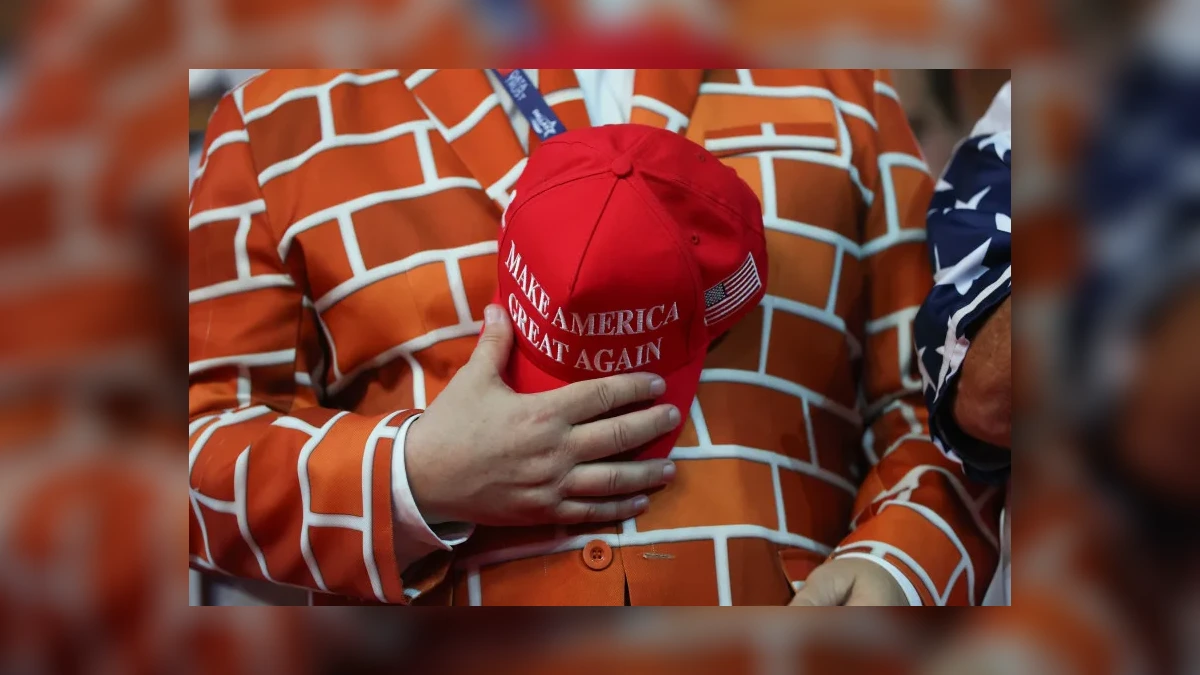
The report also found that merchandise associated with the pro-Trump “Make America Great Again” movement had been categorised by the subsidiary as hateful and intolerant.
In another case in 2021, WePay initially suspended payment processing for an event after reviewing the organiser’s social media posts. The posts described Biden and Anthony Fauci, the former director of the US National Institute of Allergy and Infectious Diseases, as enemies.
The decision to suspend the event’s payment processing was later reversed.
Nonprofit Account Closed Over LGBTQ Positions
The review also detailed a 2021 case in which WePay closed the account of a nonprofit organisation after examining its positions on LGBTQ issues.
According to the report, bank employees described the organisation as a right-wing religious conservative group with strong anti-LGBTQ rhetoric.
The case was included among the examples cited by the OCC in its assessment of potential political and religious discrimination within the banking sector.
JPMorgan Says WePay Has Been Shut Down
A JPMorgan Chase spokesperson told CBS News that WePay had subsequently been shut down following the issues identified at the subsidiary.




The spokesperson said the business had failed to meet the bank’s expectations and that the company had identified and corrected the problems before ending its operations.
JPMorgan also stated that its policies prohibit discrimination against customers based on their political or religious views.
The OCC report separately found that JPMorgan employees had altered customer records in cases involving rejected applications for commercial services.
One case involved a customer who was denied services on several occasions between 2021 and 2023. A senior employee reportedly instructed staff to remove references to the customer’s right-wing views and gun-related videos from internal records.
Another passage in the report suggested that the bank might consider serving a company’s extreme clients more readily if such customers became more mainstream or were taken on by competitors.
PNC Bank Cited Over Conservative-Owned Media Company
PNC Bank was also identified in the review over its decision not to extend a line of credit to a media company.
According to the report, the decision was influenced in part by differences between bank employees’ personal political views and the conservative positions of the company’s owners.
An employee reportedly questioned whether the bank should maintain a relationship with a business whose owners had publicly expressed opinions considered contrary to PNC’s beliefs and values.
The case was presented as another example of alleged political considerations affecting access to financial services.
Capital One Rejected Organisations From Different Political Camps
Capital One was found to have rejected applications from Democratic-aligned organisations supporting abortion rights.
However, the report also identified a case in which the bank declined to serve a pro-gun group, an organisation generally associated with conservative political positions.
The findings indicated that the bank had denied services to groups from different sides of the political spectrum.
Wells Fargo and Other Banks Cited in Review
The OCC also identified a case involving Wells Fargo, which terminated payment services for a religious nonprofit organisation.
According to the report, an initial assessment by an intermediary found that the organisation had not breached its agreement with the bank.
The review further identified cases involving financial discrimination against smaller businesses, which sometimes faced stricter treatment than larger companies.
In some instances, larger businesses continued to receive more favourable treatment despite negative publicity or criminal proceedings.
The report also found that environmental considerations influenced lending decisions, with businesses operating in non-renewable energy facing stricter restrictions in several cases.
OCC Warns Banks Over Access to Financial Services
Comptroller of the Currency Jonathan V. Gould said the report provided evidence that major US banks had denied services to customers and lawful businesses.
He said access to financial services should not depend on an individual’s beliefs, affiliations or political views.
Gould added that, although some major banks had taken steps to address the practices identified, he was not confident that their efforts would be sufficient to prevent similar cases from recurring.
The OCC said it would assess possible changes to its regulatory and supervisory framework for major banks to reduce the likelihood of future discrimination.
Banking Industry Calls for Clearer Standards
CBS News contacted the other banks named in the report, but they declined to comment directly and referred the broadcaster to a statement from the Bank Policy Institute, a banking industry trade group.
The institute said the banking sector supported fair access to financial services for law-abiding customers.
It also backed efforts to establish clear and consistent standards that would allow banks to serve customers while maintaining appropriate risk management procedures.
The group said it supported the administration’s efforts to focus regulatory supervision on material financial risks rather than reputational risks.
The OCC’s review is expected to inform further consideration of how major US banks assess customers and make decisions about access to financial services.
