
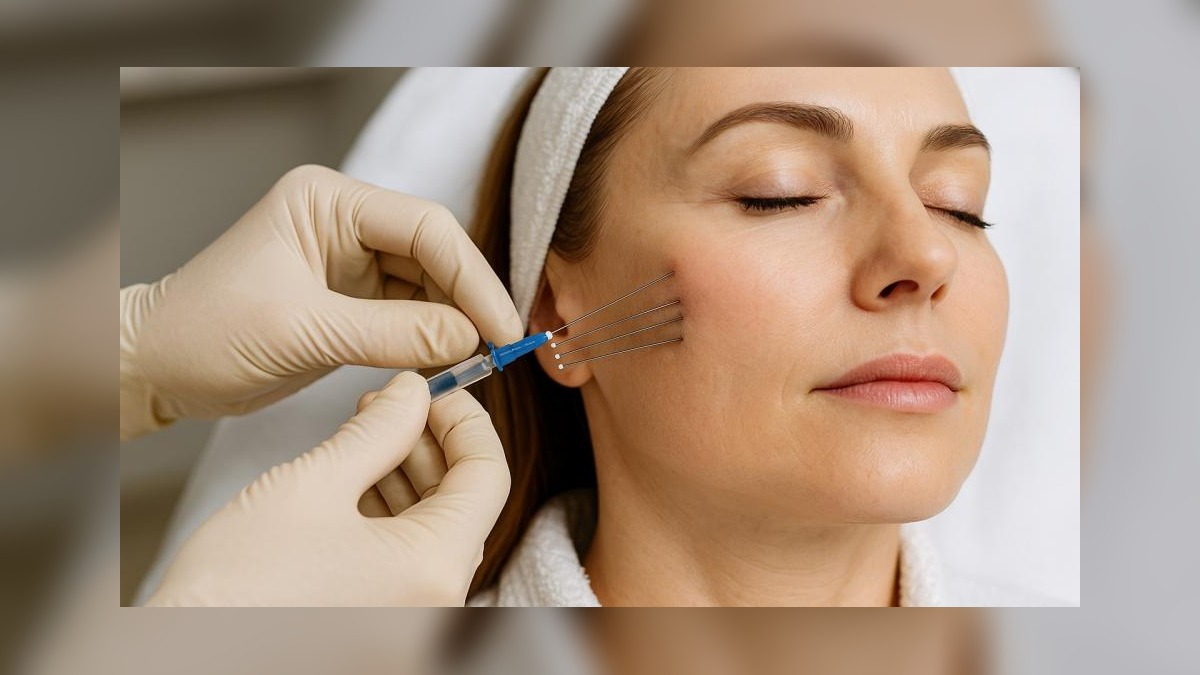
Facial ageing involves changes across several tissue layers, including reduced skin density and hydration, declining elasticity and the gradual downward movement of soft tissues. Because these changes occur simultaneously, individual cosmetic procedures may not address every concern.
Aesthetic medicine specialists use a layered approach that targets different anatomical levels, from deeper structural tissues to the skin’s surface. The strategy combines treatments designed to address tissue laxity, wrinkles, volume loss and skin texture, with the aim of delaying the need for surgical intervention.
Focused Ultrasound Targets Deeper Facial Structures
Ultraformer and similar focused ultrasound technologies target the musculo-aponeurotic system, known as the SMAS, which lies beneath the skin. The treatment creates controlled thermal points within the tissue, stimulating neocollagenesis, the body’s production of new collagen and elastin fibres.
While this deeper layer has traditionally been addressed through plastic surgery or thread-lift procedures, focused ultrasound provides a non-surgical alternative.
Results develop gradually over three to six months, and the effects may last up to 18 months. The procedure is intended to reduce the appearance of a double chin and jowls. Recovery is generally minimal, although mild swelling may occur during the first few days.
Radiofrequency Treatment Improves Skin Firmness
Radiofrequency (RF) lifting focuses on the middle and deeper layers of the dermis. It uses electromagnetic waves to heat tissue to temperatures of approximately 40 to 42 degrees Celsius.
The heat stimulates fibroblasts, the cells responsible for producing structural proteins in the skin. The process is intended to improve skin density and firmness while addressing moderate sagging in the cheeks and reduced definition along the facial contours.
Unlike focused ultrasound, which targets deeper structural tissues, RF lifting concentrates on tightening the existing tissue matrix.
Botulinum Toxin Addresses Expression Lines
Botulinum toxin injections are used to reduce dynamic wrinkles caused by repeated muscle contractions. The treatment temporarily blocks nerve signals to selected muscles, limiting their ability to contract fully and allowing the overlying skin to appear smoother.




Modern injection techniques aim to preserve natural facial expressions while reducing the rigid appearance sometimes associated with earlier approaches.
The effects generally last between four and six months. The treatment targets lines caused by muscular movement rather than restoring lost facial volume or lifting sagging tissue.
Hyaluronic Acid Helps Restore Skin Hydration
Bio-revitalisation uses injections of hyaluronic acid to address skin dehydration. The treatment is intended to improve moisture levels, elasticity and the appearance of fine lines associated with dryness.
Hydration is an important part of the broader treatment approach because dehydrated skin may respond less effectively to other rejuvenation procedures.
The method primarily focuses on improving skin quality rather than providing substantial structural support.
Collagen Stimulators Address Volume Loss
For more significant facial volume loss, treatments may use collagen stimulators containing poly-L-lactic acid or calcium hydroxylapatite.
These substances act as scaffolds that encourage the body’s own collagen production over time. Unlike treatments that provide immediate but temporary smoothing, collagen stimulators gradually integrate with the tissue.
Their effects may last up to two years, providing longer-term structural support as collagen develops.
Hydrafacial Treatments Focus on Skin Texture
Surface-level care addresses skin texture, clarity and hydration. Hydrafacial procedures combine gentle cleansing, vacuum-assisted exfoliation and the application of serums containing ingredients such as peptides, antioxidants and hyaluronic acid.
The process removes impurities from pores while delivering hydration to the skin. It is intended to improve skin texture and produce a more radiant appearance without requiring a recovery period.
Hydrafacial treatments can be used for regular skin maintenance or before special events. Their primary focus is the skin’s surface, distinguishing them from procedures that target deeper tissues and whose visible results develop over several months.
Each Procedure Targets a Different Aspect of Facial Ageing
The layered approach combines treatments according to the particular changes being addressed. Focused ultrasound targets deeper structural tissues, radiofrequency aims to improve firmness, botulinum toxin reduces expression lines, and injectable treatments address hydration and volume loss.
Surface treatments such as Hydrafacial concentrate on texture and clarity. Together, these methods target different aspects of facial ageing through procedures that operate at varying depths and produce results over different timeframes.

