
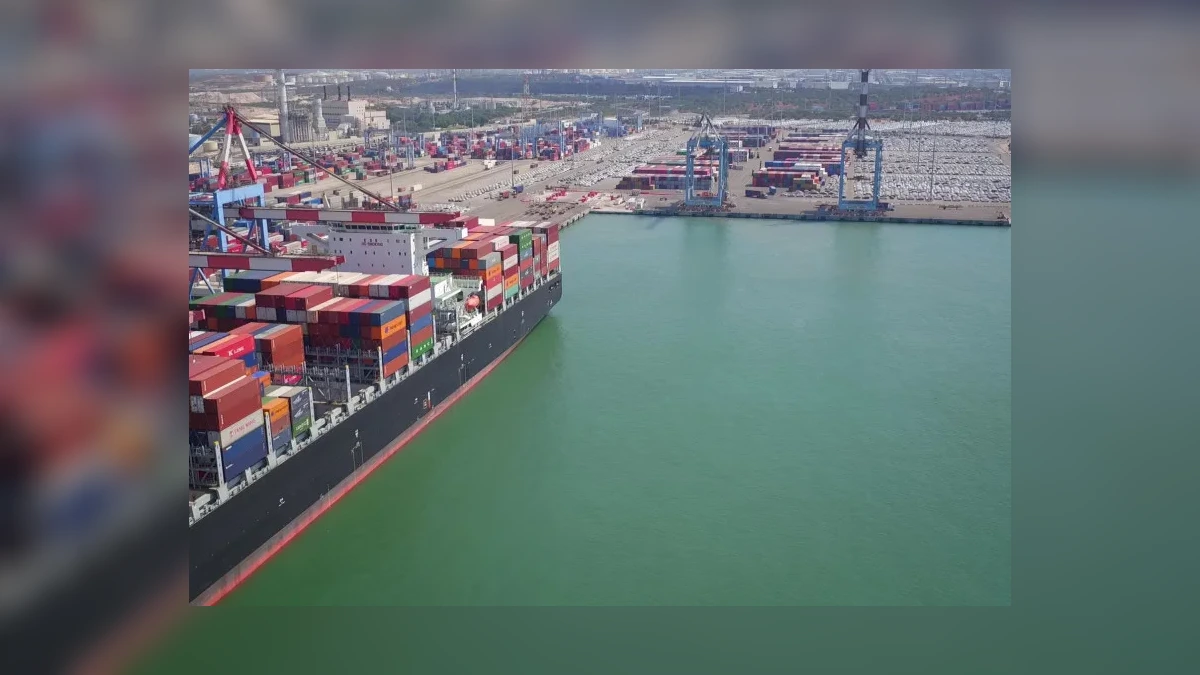
Ashdod Port is pursuing a long-term strategy focused on technological innovation, infrastructure investment and energy independence as it seeks to strengthen its position in Israel’s economy.
The port’s plans reflect changes in the global maritime industry, where competitiveness increasingly depends on operational efficiency, digital technology and the ability to maintain services during disruptions.
Led by Chairman Shaul Schneider, Ashdod Port is working to ensure that it can continue handling Israel’s imports and exports during periods of conflict while developing the infrastructure and technology required to support future growth.
Major Gateway for Israeli Imports and Exports
Ashdod Port is Israel’s largest seaport by cargo volume and plays a central role in the country’s international trade.
The facility has 11 piers and 78 cranes, with approximately 2,200 ships docking annually. Around 40 per cent of Israel’s total cargo volume passes through the port.
Its operations cover several categories, including containers, vehicles, general cargo, bulk goods and cruise ships.
Given its importance to the national economy, maintaining uninterrupted operations remains a key priority, particularly during periods of war, power outages or disruptions to international shipping routes.
Infrastructure Investment Aims to Improve Cargo Movement
Ashdod Port is seeking to improve the movement of goods between ships and their final destinations by strengthening connections between maritime, rail and road transport.
Delays when transferring cargo between these systems can cause congestion, increase operating expenses and affect the wider supply chain.
The port’s strategy aims to create a more integrated logistics network connecting vessels, quays, railways and roads. The initiative is intended to reduce bottlenecks, shorten transportation times and make cargo handling more predictable.
The improvements are also expected to help shipping companies, importers and exporters make better use of existing infrastructure while reducing costs across the supply chain.
Digitalisation and Automation Become Central to Operations
Technology and digitalisation form an important part of Ashdod Port’s efforts to improve efficiency and strengthen its commercial position.




The port is investing in advanced technologies and automation while incorporating maritime technology solutions into its daily operations.
Rather than treating innovation as a separate activity, the port aims to integrate new capabilities into cargo handling, logistics and operational management.
The approach is intended to streamline processes, improve efficiency and help the port respond more quickly to changing commercial requirements and operational challenges.
Partnerships With Startups and International Technology Companies
Ashdod Port is expanding cooperation with startups, technology companies and international partners to develop and implement new maritime and logistics solutions.
These relationships are intended to create opportunities to test emerging technologies and apply them to cargo handling, supply-chain management and other port operations.
The port is also seeking closer cooperation with international ports and shipping companies to strengthen commercial relationships and improve continuity across supply networks.
Such partnerships are part of its broader ambition to operate as a technology-driven logistics hub rather than solely as a location where cargo enters and leaves the country.
Maintaining Operations During Conflict and Shipping Disruptions
The ability to continue operating during periods of disruption remains a central consideration in Ashdod Port’s strategy.
As a major gateway for Israeli trade, the port must maintain cargo movement even when conflict, infrastructure problems or changes to international shipping routes create operational challenges.
The port’s approach links resilience with commercial performance, with continued investment in infrastructure and technology intended to support reliable services under difficult conditions.
Geopolitical tensions have also increased the importance of international partnerships and the ability to adapt to changes in global trade routes.
Energy Independence Included in Long-Term Strategy
Energy independence is another priority in Ashdod Port’s long-term business strategy, alongside infrastructure development and technological innovation.
The port has identified energy resilience as part of its wider effort to strengthen operational continuity and support its future development.
Its broader strategy combines the need to maintain a critical national infrastructure asset with the commercial objective of improving efficiency and remaining competitive in the international maritime industry.
Port Seeks Stronger Position in Global Maritime Trade
Ashdod Port aims to strengthen its role in Israel’s economy by combining infrastructure development, digitalisation, automation and international cooperation.
The strategy reflects a wider shift in the maritime industry, where ports increasingly function as integrated logistics and technology centres rather than simply as entry points for goods.
By developing its operational capabilities and expanding its technological partnerships, Ashdod Port seeks to improve cargo movement, strengthen supply-chain continuity and reinforce its position in regional and global trade networks.
Written in collaboration with Ashdod Port.

