
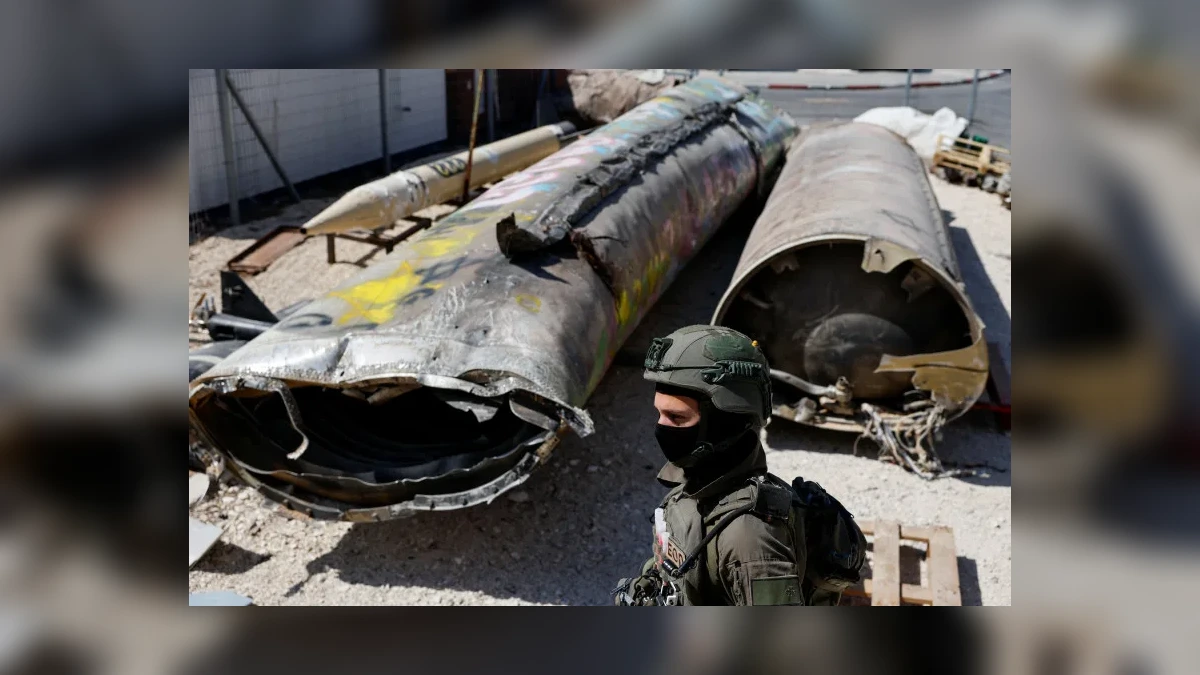
Yemen’s Iran-backed Houthi movement is reportedly developing a version of Iran’s Kheibar Shekan precision-guided ballistic missile using components sourced from Chinese companies, raising fresh concerns about the group’s growing military capabilities.
A report published by The Wall Street Journal, citing findings from UK-based arms monitor Conflict Armament Research (CAR), said the proposed missile could have a maximum range of approximately 1,200 miles.
Such a capability would potentially place all of Saudi Arabia and Israel within striking distance, significantly expanding the threat posed by the Houthis if the missile project becomes operational.
However, the extent of the group’s progress remains uncertain. Analysts say the imported components could indicate an attempt to manufacture the weapons locally, but there is insufficient evidence to establish how close the Houthis are to completing production.
Seized Shipments Reveal Possible Missile Manufacturing Programme
The findings were based on information provided by Yemeni authorities in July after officials intercepted two shipments in 2025 containing missile-related equipment concealed among other goods, according to the Wall Street Journal.
The seized materials reportedly included specially manufactured metal components for missile motors and airframes, as well as fins designed to stabilise a missile during flight.
Authorities also recovered parts associated with a solid-propellant rocket motor from the Kheibar Shekan missile series.
Other items included tools, testing equipment and raw materials used in missile production. Among the materials reportedly seized was an ablative substance designed to protect sections of a missile from the extreme heat generated during flight.
The combination of specialised components and production equipment has raised questions about whether the Houthis are attempting to establish or expand their own ballistic missile manufacturing capabilities.
Arms Experts Warn It Is Unclear How Far Production Has Advanced
Fabian Hinz, a senior analyst at Conflict Armament Research, told the Wall Street Journal that the imports could indicate either an existing manufacturing effort or an unsuccessful attempt to develop the weapon.
He cautioned that the available evidence did not establish how advanced the programme was.
The Houthis are believed to operate weapons facilities that are heavily concealed, making it difficult for outside observers to determine whether the group has begun producing the missiles or is still experimenting with the imported components.
The distinction is significant because obtaining individual missile parts does not necessarily mean a group can successfully manufacture, assemble and deploy a complete precision-guided ballistic missile.
Nevertheless, the reported shipments have drawn attention to the supply networks that could help the movement acquire more sophisticated weapons despite international restrictions.




China Says It Is Complying With the UN Arms Embargo
China has maintained that it respects the United Nations arms embargo imposed on the Houthis, according to the Wall Street Journal.
The report noted that some of the imported materials could have legitimate civilian applications. Other components, however, were reportedly designed specifically for missile production.
The presence of specialised missile parts has therefore raised questions about how such equipment reached Yemen and whether the supply chains involved are being adequately monitored.
The available reporting does not establish that the Chinese government authorised or knowingly supplied the materials for Houthi weapons production. The reference to Chinese companies concerns the reported origin of components, rather than proof of direct state involvement.
The issue adds another dimension to concerns over the movement of military-related goods into Yemen, where the Houthis remain subject to an international arms embargo.
Why Iran’s Kheibar Shekan Missile Is Considered a Significant Weapon
Iran’s Kheibar Shekan is a solid-fuel, medium-range ballistic missile that has attracted attention because of its combination of mobility, accuracy and comparatively straightforward launch preparations.
The Wall Street Journal, citing US officials in earlier reporting, said Iran had used the missile in attacks against US assets in the Middle East. Its reported range is at least 1,400 kilometres.
Unlike older missiles that require extensive pre-launch fuelling, solid-fuel systems can remain ready for deployment for longer periods and can be prepared for launch more quickly.
The Kheibar Shekan can also be transported on trucks or other vehicles, making it easier to relocate launch systems and potentially complicating efforts to detect and destroy them before they are fired.
These characteristics could make a locally produced Houthi version strategically important if the group succeeds in reproducing the system and deploying it reliably.
Yemen’s Conflict Draws Wider Regional Powers Into Focus
The Houthis, an Iran-backed movement designated as a terrorist organisation by the United States and subject to a UN arms embargo, control large parts of Yemen.
The group has been fighting Yemen’s Saudi-backed government since 2014, with the conflict becoming part of a wider regional struggle involving competing political and military interests.
The latest developments are unfolding amid an escalation linked to the broader US-Iran war, which began with US and Israeli attacks on Iran on February 28, according to the report.
The possibility of the Houthis acquiring a longer-range missile adds to regional security concerns, particularly for Saudi Arabia and Israel, which could face a wider range of potential threats if the weapon becomes operational.
Iran Offers to Mediate Between Saudi Arabia and the Houthis
Iranian Foreign Minister Abbas Araghchi said on Sunday that Tehran was willing to mediate between Saudi Arabia and the Houthis, according to statements reiterated by Iran’s Foreign Ministry on Monday.
The offer comes as the region faces renewed conflict and growing concerns over the movement’s military capabilities.
Iran and Saudi Arabia have long been regional rivals, although both countries have also pursued diplomatic engagement in an effort to manage tensions.
Whether the proposed mediation will make progress remains uncertain. The reported missile development, meanwhile, could complicate efforts to reduce regional hostilities by increasing concerns about the Houthis’ potential reach.
Missile Development Could Raise Security Concerns Beyond Yemen
The reported effort to develop a Kheibar Shekan-style missile highlights the challenge of restricting advanced weapons technology when components can be moved through international commercial supply chains.
If the Houthis successfully develop and deploy a missile with a range of around 1,200 miles, the potential threat would extend well beyond Yemen’s immediate neighbours.
For now, however, analysts have cautioned that the available evidence points to a possible manufacturing effort rather than a confirmed, fully operational missile system.
Further information about the group’s production capabilities, the origin of the seized components and the status of the reported programme will be important in determining the scale of the emerging threat.

