
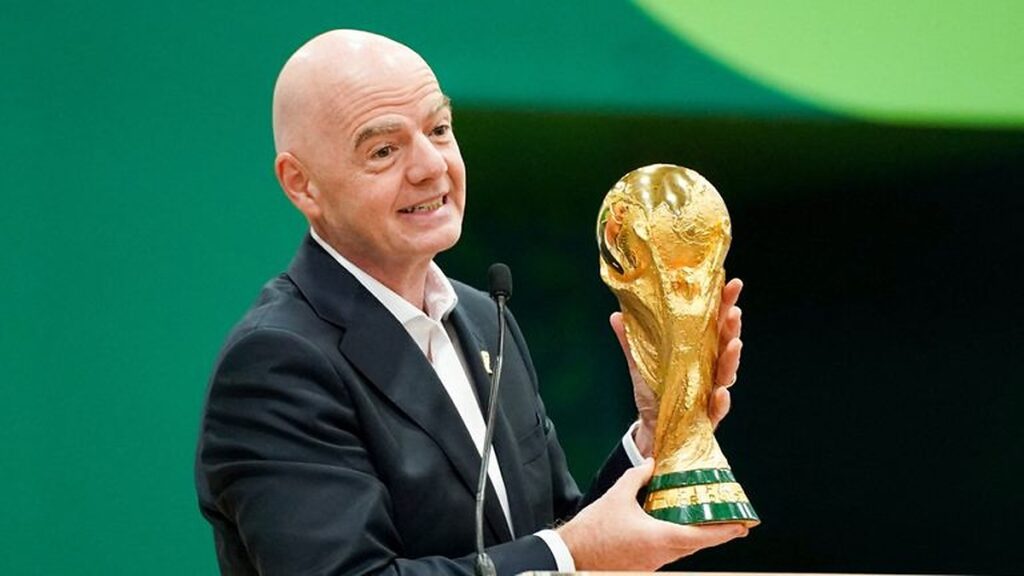
Gianni Infantino’s decade-long tenure as FIFA president is facing renewed scrutiny as critics from across football and international sport accuse him of placing personal influence, political relationships and commercial expansion ahead of the interests of the game.
Once viewed as the reformer who would restore FIFA’s reputation after years of scandal, Infantino is now being described by some former allies and football insiders as a leader whose pursuit of power has transformed both his public image and the sport itself.
Those criticisms have intensified following the latest FIFA Club World Cup and ongoing debates surrounding the future direction of global football under his administration.
Secretive IOC Vote Adds to Questions About Influence
One episode frequently cited by those questioning Infantino’s political style occurred during the International Olympic Committee presidential election held in Greece in March 2025.
According to multiple sources familiar with the process, supporters of two different candidates each believed they had secured Infantino’s backing.
Spanish candidate Juan Antonio Samaranch Jr.’s camp reportedly expected to receive his vote, while people close to British candidate Lord Sebastian Coe were also convinced they had won his support.
Neither candidate ultimately emerged victorious, but the conflicting claims have become another example of the ambiguity that critics say often surrounds FIFA’s president.
FIFA declined to comment publicly on the reports.
From Reform Candidate to Football’s Most Powerful Executive
When Infantino was elected FIFA president in February 2016, expectations were dramatically different.
He inherited an organization damaged by the corruption scandals that ended the reign of his predecessor, Sepp Blatter, and was widely seen as a consensus figure capable of rebuilding trust.
Having previously served as UEFA’s general secretary, the Swiss lawyer entered the race only after Michel Platini’s presidential ambitions collapsed amid ethics investigations.
Former English Football Association chairman Greg Dyke recalled initially viewing Infantino as approachable and capable of delivering positive change, while sports marketing pioneer Patrick Nally described him as “pleasant and unassuming” during their early meetings.
Many observers now argue that the leader who emerged over the following decade bears little resemblance to that original image.
Critics Say Celebrity and Politics Have Taken Centre Stage
One of the recurring themes surrounding Infantino’s presidency has been his increasingly visible public profile.
From regularly appearing alongside presidents, monarchs and world leaders to posting celebrity-focused content on social media, critics believe FIFA’s president has embraced the spotlight more than any of his predecessors.
Several moments have attracted particular controversy, including photographs taken near Pelé’s coffin during memorial events, highly public birthday messages to football stars, and increasingly close relationships with influential political figures across multiple World Cup host nations.


Opponents argue these appearances have shifted attention away from football itself.
Political Relationships Draw Fresh Scrutiny
Infantino’s connections with world leaders have generated repeated debate throughout successive World Cup cycles.
His appearances alongside Russian President Vladimir Putin before and after the 2018 World Cup, close ties with Qatar’s leadership during the 2022 tournament, and more recent interactions with United States President Donald Trump have all attracted criticism from human rights campaigners and football observers.
One particularly controversial appearance came when Infantino wore a red Trump cap during a public event, prompting an International Olympic Committee review into whether the display conflicted with the Olympic movement’s commitment to political neutrality.
Although he was ultimately cleared, reports suggested the incident created discomfort within Olympic leadership circles.
Vancouver Congress Sparks Further Backlash
Fresh criticism also followed FIFA’s congress in Vancouver, where Infantino reportedly attempted to encourage a public handshake between senior officials from the Israeli and Palestinian football associations.
The effort failed after Palestinian Football Association president Jibril Rajoub declined to participate and walked away from the stage.
Former Tottenham Hotspur defender Ramon Vega, who previously sought the FIFA presidency, described the episode as deeply embarrassing and argued it demonstrated poor judgement, adding that the organization’s leader had shown little understanding of the sensitivities involved.
Commercial Expansion Continues to Divide Football
Beyond his leadership style, many of the strongest objections concern the direction Infantino has taken football itself.
Under his administration, FIFA expanded the men’s World Cup from 32 to 48 participating nations beginning with the 2026 tournament.
Discussions have also taken place regarding a possible future expansion to 64 teams.
FIFA has simultaneously enlarged the Club World Cup while exploring new commercial opportunities, including proposals involving outside investment linked to World Cup revenues.
Supporters argue these initiatives increase football’s global reach and financial strength, while critics believe they risk reducing sporting quality, increasing player workloads and placing commercial priorities above competitive integrity.
Fans and Human Rights Groups Voice Wider Concerns
Growing ticket prices, player welfare concerns and human rights issues surrounding major tournaments have become recurring topics throughout Infantino’s presidency.
Human Rights Watch has repeatedly criticised FIFA’s handling of host nation policies, both during Qatar 2022 and ahead of the upcoming World Cup in North America.
The organisation has expressed concern over immigration enforcement policies in the United States and questioned whether adequate protections exist for supporters travelling to the tournament.
Human rights advocates have also argued that FIFA has become less willing to engage directly with campaign groups than it was during the early months of Infantino’s presidency.
Strong Financial Results Strengthen Infantino’s Position
Despite persistent criticism, Infantino remains firmly in control of FIFA.
He was re-elected unopposed in both 2019 and 2023 and is eligible to seek another term in 2027.
With development funding to FIFA’s member associations increasing significantly during his presidency, there has been little organised resistance among the federation’s 211 national associations.
Financially, FIFA has experienced remarkable growth.
Annual revenues have risen dramatically over the past decade, with projections for the current World Cup cycle reaching record levels.
For supporters, those figures demonstrate successful leadership and global expansion.
For detractors, however, they symbolise an administration increasingly defined by commercial ambition, political influence and a widening gap between football’s governing body and many of the supporters who follow the game.
