
A Massachusetts court has sentenced 45-year-old Alvin Campbell to life in prison after a jury found him guilty of carrying out a series of sexual assaults against intoxicated women across Boston.
The conviction follows a lengthy investigation into crimes prosecutors said took place between 2017 and 2019.
Campbell was convicted on 21 of 22 criminal charges, including rape, kidnapping and indecent assault and battery, after Suffolk County jurors concluded he deliberately preyed on vulnerable women leaving bars and entertainment districts late at night.
Prosecutors Say He Posed as a Rideshare Driver to Trap Victims
According to prosecutors, Campbell disguised himself as an Uber driver by covering his SUV with rideshare logos and stickers, despite no longer working for the company.
Investigators said he waited near popular nightlife hotspots until bars closed, searching for women who appeared heavily intoxicated.
Authorities alleged that he convinced victims he was their booked driver before taking them to isolated locations, where they were sexually assaulted.
Some attacks reportedly occurred inside his vehicle, while others took place at his apartment in Cumberland, Rhode Island, or at the victims’ own homes.
Victims Targeted When They Were Unable to Resist
During the trial, prosecutors described a disturbing pattern in which Campbell allegedly selected women who were too intoxicated to give consent or defend themselves.
Many survivors reportedly had little or no memory of the assaults because of their level of intoxication.
The prosecution argued that Campbell intentionally exploited this vulnerability, making it difficult for victims to identify him or fully recall what had happened after the attacks.
Cellphone Videos Became Critical Evidence
One of the most significant pieces of evidence presented in court came from Campbell’s own cellphone.
When investigators searched the device after his arrest, they discovered videos that prosecutors said documented several assaults.




Authorities alleged Campbell kept the recordings as personal souvenirs.
The footage reportedly showed one victim both clothed and unclothed while Campbell made comments to her during the assault.
Investigators also recovered DNA evidence and a luggage tag belonging to one survivor, further strengthening the prosecution’s case.
Investigation Began After Survivor Reported 2019 Assault
The investigation gained momentum following an incident on December 6, 2019.
According to court records, a woman leaving The Harp bar in downtown Boston believed Campbell was the Uber driver she had requested after her actual ride unexpectedly departed.
She entered his black SUV and later lost consciousness during the journey.
Prosecutors said Campbell sexually assaulted her inside the vehicle before taking her to his apartment in Rhode Island, where she was raped.
She later awoke in pain, was dropped off at a CVS pharmacy, managed to return home, underwent a sexual assault examination at a hospital, and reported the incident to Boston police.
Surveillance footage later helped detectives identify Campbell’s SUV, eventually leading investigators to his residence and the evidence that secured his arrest.
Defense Claimed Encounters Were Consensual
Throughout the trial, Campbell’s attorneys maintained that the sexual encounters were consensual.
They argued that the women had misremembered events because they had been drinking heavily.
Jurors ultimately rejected that defense after hearing testimony from multiple victims and reviewing the physical and digital evidence collected during the investigation.
Life Sentence Means Campbell Is Expected to Remain in Prison
One of Campbell’s rape convictions carries a life sentence with the possibility of parole after 15 years.
However, prosecutors noted that his additional rape convictions require lengthy consecutive prison terms, making it highly unlikely he will ever be released.
Campbell has remained behind bars since his arrest by Boston police in January 2020.
Attorney General’s Brother and Officials React
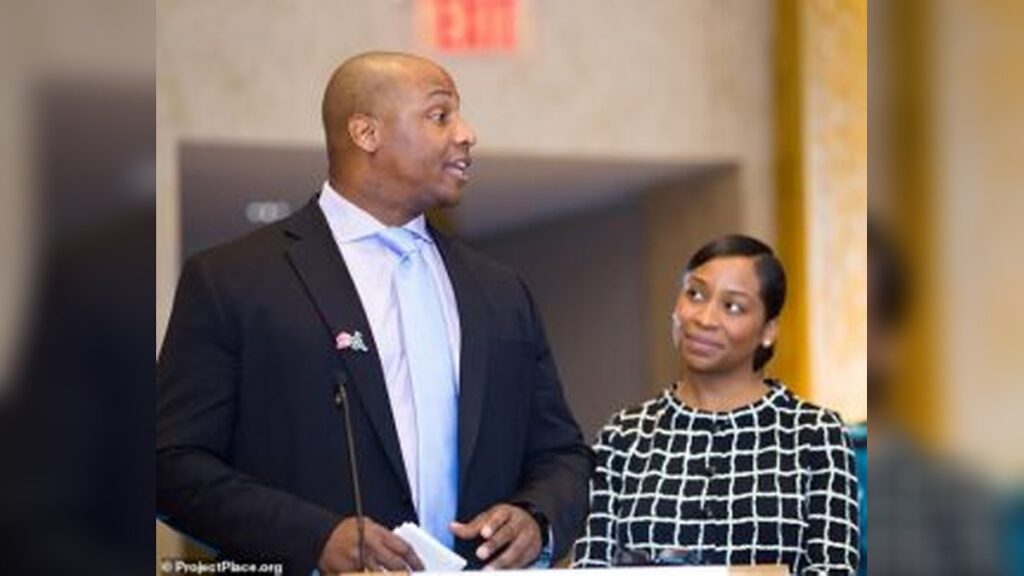
The case drew widespread attention because Campbell is the brother of Massachusetts Attorney General Andrea Campbell.
Before the trial, the attorney general expressed sympathy for the survivors, praising their courage in coming forward while acknowledging the emotional toll the case had taken on her family.
Following the conviction, prosecutors urged the public to remain alert while enjoying Boston’s nightlife, emphasizing that women should be able to socialize without fearing violence or exploitation.
They also called on men to play a greater role in challenging attitudes that contribute to violence against women and supporting efforts to prevent sexual abuse.

