
The United States has introduced a fresh round of import tariffs affecting goods from 60 trading partners, replacing the temporary global tariff that expired early Friday.
The new measures impose duties of either 10% or 12.5% on a vast range of imported products, with the White House arguing that the action targets countries that have failed to adequately prevent forced labor in their supply chains.
The latest policy affects nearly all goods entering the US, although several important industries have been granted exemptions.
White House Revives Broad Tariff Strategy
The announcement marks another major step in President Donald Trump’s long-standing effort to expand tariffs on foreign imports.
Earlier this year, the US Supreme Court struck down his previous “reciprocal” tariff policy, which had imposed rates ranging from 10% to 50% under emergency powers designed to reduce the country’s trade deficit.
Rather than abandoning the strategy, the administration has now relied on Section 301 of the Trade Act of 1974 to establish a new legal framework for import duties.
Officials believe this approach is less vulnerable to legal challenges because it has survived previous court scrutiny.
New Duties Replace Expired Global Tariff
The previous temporary 10% tariff officially expired at 12:01 a.m. EDT on Friday after remaining in place for 150 days.
At the exact moment it ended, the newly announced tariffs came into force.
Products already being transported before the deadline have been granted a temporary exemption until July 28, allowing shipments already in transit to enter without the additional charges.
Forced Labor Cited as Primary Justification
US Trade Representative Jamieson Greer defended the new policy by arguing that America has enforced restrictions on goods linked to forced labor for decades, while many trading partners have failed to uphold similar standards.
According to Greer, the new tariffs are intended not only to address human rights concerns but also to eliminate what the administration considers an unfair trade advantage enjoyed by countries that do not strictly police forced labor within their supply chains.
He also reiterated that countries which have already negotiated trade agreements with Washington will not see these new tariffs push their total duty rates above previously agreed limits.
Which Countries Are Affected?
The United States has imposed a 10% tariff on imports from countries including Britain, Canada, India, Indonesia, Malaysia, Mexico, Pakistan, Bangladesh, Cambodia and Argentina, among others.



Meanwhile, the European Union, Japan, South Korea, Taiwan and Switzerland received tariff structures that bring their combined import duties to either 10% or 12.5% when existing tariff rates are included.
Another 38 countries, including China and Vietnam, have been assigned the higher 12.5% rate.
Vietnam recently introduced stricter rules banning imports produced through forced labor, while China continues to reject US allegations regarding the treatment of Uyghur minorities in Xinjiang.
China Tariff Strategy Remains Separate
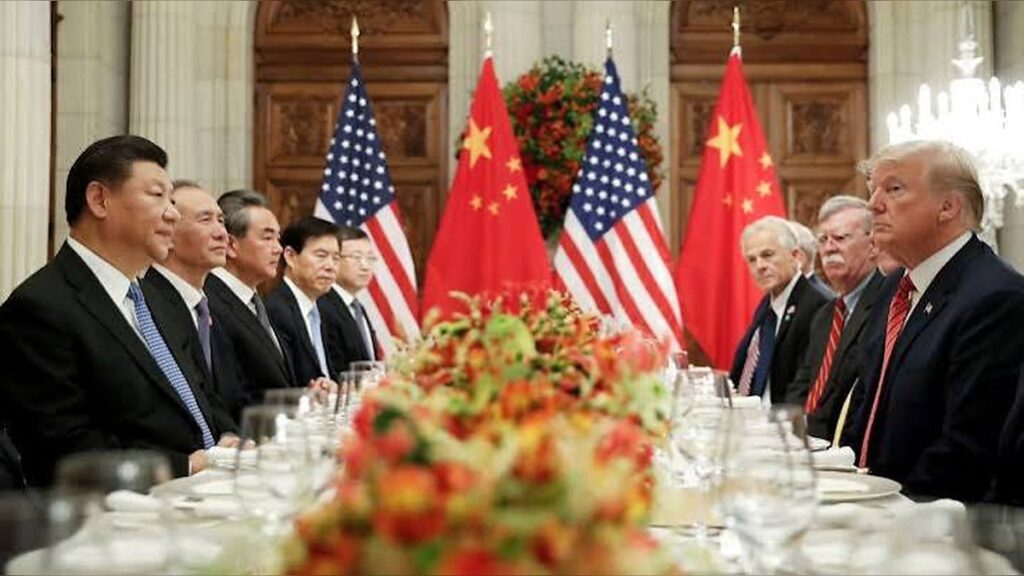
Despite the latest announcement, administration officials indicated that Washington still intends to restore tariffs on Chinese goods to the 20% level agreed during the 2025 trade truce between President Trump and Chinese President Xi Jinping.
Officials stressed that the latest forced labor tariffs are separate from that arrangement and are not intended to raise China’s overall tariff burden beyond the previously negotiated ceiling.
International Backlash Begins
Several governments quickly criticized the US decision.
European Union foreign policy chief Kaja Kallas questioned the reasoning behind the tariffs, arguing that European labor protections are among the strongest in the world.
She said the justification presented by Washington did not reflect the bloc’s employment standards, which include extensive worker protections and paid leave.
Australia and Brazil also described the tariffs as unjustified and indicated they would seek their removal, while Norway dismissed the allegations against its trade practices.
Canada, which had already been targeted earlier in the week with additional US tariffs on billions of dollars’ worth of exports, responded cautiously.
Canadian Trade Minister Dominic LeBlanc said Ottawa would continue engaging with Washington in hopes of resolving the issue through ongoing discussions.
Legal Experts See Stronger Position for Washington
Trade specialists believe the administration’s new approach may prove more resilient if challenged in court.
Former White House trade adviser Kelly Ann Shaw noted that the overall economic impact is expected to resemble existing tariff arrangements, particularly for countries that have already secured negotiated tariff caps.
Trade lawyer Ryan Majerus also argued that Section 301 provides the government with significant flexibility to modify tariff levels over time and has historically survived legal challenges, making it more difficult for opponents to overturn the policy.
Several Key Industries Escape the New Tariffs
Although the tariffs cover roughly 99.4% of US imports, a number of products have been excluded.
Exemptions include oil and gas, fertilizers, selected food products, aircraft and aircraft components, critical minerals, and products already subject to national security tariffs such as automobiles, steel, aluminum and copper.
Goods traded under the US-Mexico-Canada Agreement are also largely exempt, reflecting the deeply integrated manufacturing and supply chains shared by the three North American economies.
Administration Says Policy Protects Workers and Competition
US officials rejected suggestions that the latest tariffs simply replace the expired global duties under a different legal authority.
Instead, they argued the measures respond to growing bipartisan pressure in Congress to eliminate forced labor from international supply chains while protecting American businesses from unfair competition.
With the new tariffs now in effect, the administration has effectively restored a broad import duty covering nearly all foreign goods entering the United States, while preparing for potential legal challenges and continued diplomatic negotiations with affected trading partners.

