
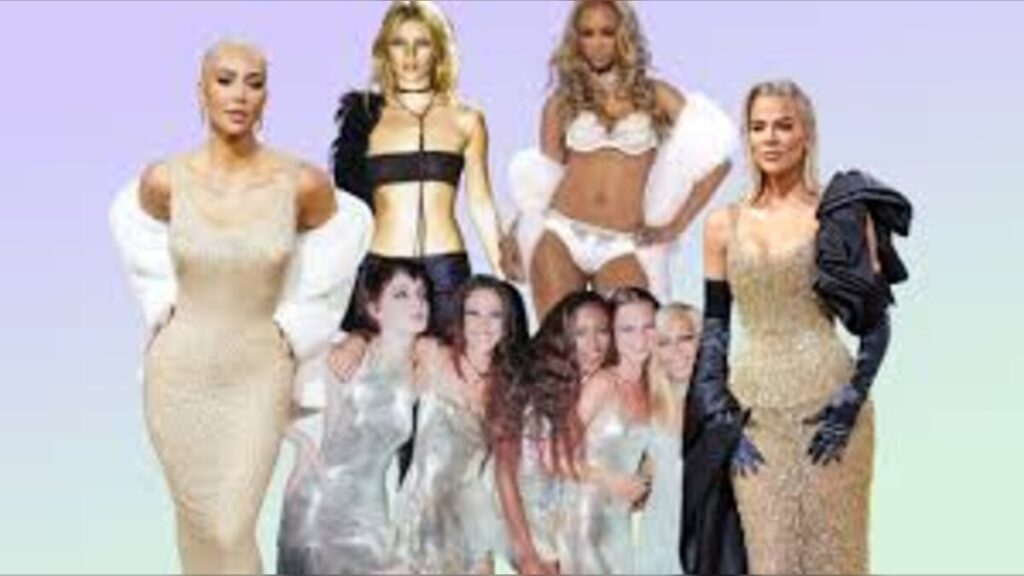
Every so often, fashion decides it has a new rule, and women are expected to quietly adjust themselves to fit it.
This time, the conversation has taken an uncomfortable turn: the idea that larger breasts are no longer “in”.
The discussion has been sparked by findings from the British Association of Aesthetic Plastic Surgeons, known as BAAPS, which show a shift in cosmetic surgery trends.
For the first time, procedures involving breast reduction and implant removal have overtaken enlargements.
In other words, more women are now moving away from enhancement and towards minimising or reshaping.
On social media and in some aesthetic circles, a new phrase has emerged: “Ballerina Boobs”.
Surgeons describe this look as smaller, lighter, and more natural-looking, often associated with a lean, athletic body type.
It is being framed as part of a wider beauty shift towards “effortless” and “natural” proportions.
The Rise of the “Natural Look” and Who Decides It
Supporters of this shift argue it reflects lifestyle changes.
The BAAPS leadership has pointed to the popularity of fitness culture, athleisure wear, and a general move away from exaggerated body shapes.
But beneath that neat explanation is a more complicated reality.
Modern beauty standards rarely disappear—they just change shape.
What used to be celebrated can quickly become “too much”, and what was once dismissed becomes fashionable again.
This is also happening alongside the rapid rise of weight-loss medications such as Mounjaro and Ozempic.
These drugs have reshaped conversations around body size, making physical change feel more accessible, but also more commercial and trend-driven than ever before.
Bodies, Trends, and the Pressure to Edit Yourself
There is something unsettling about how easily physical traits are now treated like design choices.
One season it’s curves, the next it’s minimalism.
The underlying message is rarely about health—it’s about fitting a moving ideal.




Critics argue this feeds into a cycle where women are encouraged to treat their bodies as adjustable projects.
If something feels “out of trend”, the implication is that it should be changed rather than accepted.
That tension shows up in everyday commentary too.
Aesthetic language—“silhouette”, “proportion”, “shape”—reduces real people to visual outlines.
It sounds harmless until you notice how often it replaces conversations about comfort, autonomy, or lived experience.
The Bigger Cultural Pattern Behind It
This debate isn’t happening in isolation. Similar conversations keep surfacing across public life.
Television personality Christine McGuinness has recently spoken about embracing her identity beyond her previous marriage, reframing her public image on her own terms.
Meanwhile, figures like Russell Brand continue to dominate online spaces with reinvention narratives that blur personal branding and controversy.
Even politics isn’t immune to lifestyle critique.
A newly elected Green MP, Hannah Spencer, has raised concerns about alcohol in parliamentary voting culture, questioning whether serious decisions are being made under the influence of late-night routines and social drinking norms.
And in pop culture, Millie Bobby Brown’s gel nails in period-film promotions triggered online debate about historical accuracy—another reminder of how quickly women’s appearance becomes public commentary fodder, even when it’s something as small as nails.
Why This Conversation Hits a Nerve
At the centre of all this is a familiar frustration: women’s bodies repeatedly becoming public discussion points.
Whether it’s breast size, weight, nails, clothing, or “presentation”, there is always a new angle of inspection.
Even fitness is framed in appearance terms—what shape exercise will produce, rather than what strength or wellbeing it brings.
The result is a culture where choices are rarely seen as neutral.
They are interpreted, judged, and ranked against whatever trend is currently circulating.
Impact and Consequences
The immediate impact of these shifting beauty ideals is psychological as much as physical.
More people may feel pressured to consider cosmetic procedures, not out of necessity, but out of alignment with fashion expectations.
There is also a financial layer. Cosmetic surgery, aesthetic treatments, and prescription weight-loss drugs are increasingly part of a consumer ecosystem that treats the body as something upgradeable.
Socially, it reinforces a narrow idea of what “acceptable” looks like at any given moment.
That can make body diversity feel less visible, even as society becomes more vocal about inclusion.
What’s Next?
If current trends continue, cosmetic choices may become even more closely tied to social media cycles and influencer aesthetics.
The definition of a “natural” look could keep shifting, making it harder to pin down what is considered normal at all.
At the same time, conversations around body autonomy are likely to grow louder.
More voices are pushing back against the idea that appearance should be trend-led rather than self-defined.
Regulation of cosmetic marketing and prescription weight-loss drugs may also come under closer scrutiny as their popularity increases.
Summary
A reported shift in cosmetic surgery trends has sparked wider debate about how women’s bodies are viewed and valued.
The rise of “natural” aesthetics, alongside weight-loss drugs and social media influence, has created a fast-moving beauty landscape where physical traits are increasingly treated as modifiable trends rather than personal features.
Bulleted Takeaways
- BAAPS data shows breast reduction and implant removal now outpace enlargements
- “Ballerina Boobs” has emerged as a term for smaller, natural-looking breast aesthetics
- Fitness culture and athleisure trends are influencing body ideals
- Weight-loss drugs are reshaping conversations about physical appearance
- Critics argue women’s bodies are increasingly treated as “adjustable” fashion items
- Cultural examples across media, politics, and entertainment show widespread scrutiny of appearance
- The broader debate centres on autonomy versus shifting beauty expectations
- Future trends may further blur the line between personal choice and social pressure

