
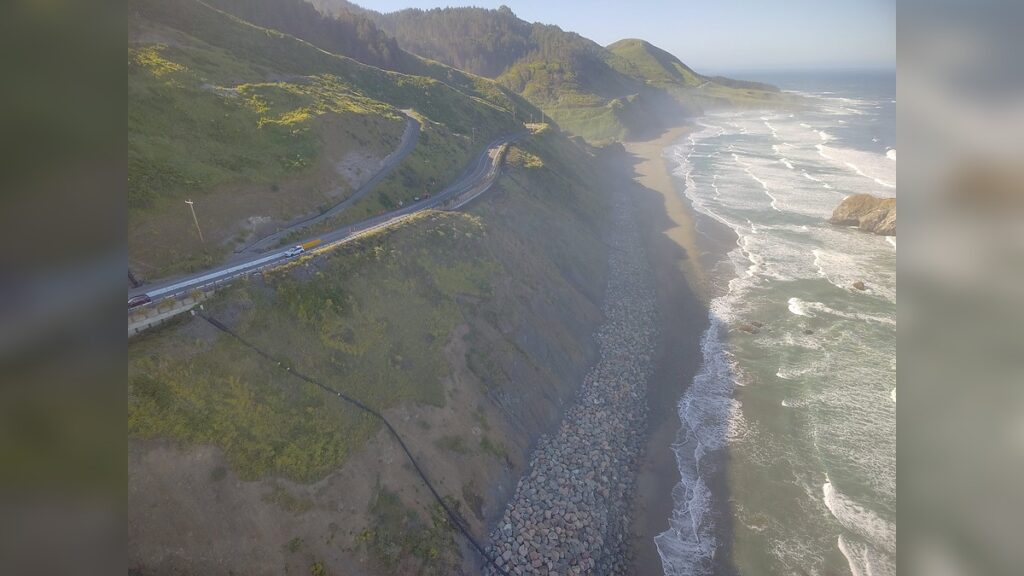
California is preparing to complete one of its most significant tribal land restoration efforts in recent years, with plans to transfer 136 acres of coastal land in Mendocino County to a nonprofit representing three Native American tribes.
The long-awaited handover of Blues Beach and the surrounding coastal bluffs is expected to be finalized within the next two months, marking another step in the state’s broader campaign to restore ancestral lands to Indigenous communities.
Historic Land Transfer Reaches Final Stage
State officials have confirmed that the transfer is now entering its final administrative phase after years of planning and negotiations.
The property will be placed under the care of Kai Poma, a nonprofit organization created by the Coyote Valley Band of Pomo Indians, the Round Valley Indian Tribes, and the Sherwood Valley Band of Pomo Indians.
These tribes have deep ancestral and cultural ties to the coastline and have long advocated for the land’s return.
The California Transportation Commission recently approved the transfer after finalizing boundary lines, environmental protections, public access agreements, and long-term management plans.
Newsom Says the Transfer Helps Correct Historic Wrongs
Governor Gavin Newsom described the move as part of California’s continued effort to address the injustices experienced by Native American communities over generations.
According to the governor, restoring the land places a culturally significant stretch of the northern California coastline back under the stewardship of the tribes that have historical connections to it.
He said the collaboration between tribal governments, state agencies, and regional partners represents an important milestone in rebuilding those relationships.
Senate Bill Opened the Door for the Return
The transfer fulfills the goals of Senate Bill 231, legislation signed by Governor Newsom in 2021.
The law authorized the California Department of Transportation (Caltrans) to transfer ownership of the property while placing several conditions on its future use.
Commercial development is prohibited, and public access to the coastline must continue after the land changes hands.




Those safeguards are intended to preserve both the natural landscape and its cultural importance while ensuring visitors can continue enjoying the area.
Tribal Leaders Welcome the Decision
Kai Poma Chairman Eddie Knight called the transfer a meaningful step toward protecting Native traditions and preserving cultural identity.
He noted that ancestral lands remain central to the practices and heritage of California’s Indigenous communities, many of which continue to live with the effects of historical displacement.
Knight said returning stewardship of Blues Beach will help protect sacred sites while allowing tribes to continue traditional activities such as gathering medicinal plants, harvesting food resources, and caring for places of spiritual and historical importance.
He added that Kai Poma is committed to preserving the landscape for future generations while balancing cultural responsibilities with environmental protection.
A Popular Coastline Will Stay Open to Visitors
The coastal property first came under state ownership during the 1960s when California acquired it as part of plans to improve recreational opportunities and scenic viewpoints along Highway 1.
While management of the site will shift to Kai Poma, the public will still be able to access the beach and surrounding coastline.
Caltrans will retain an easement that allows the agency to carry out future maintenance work, while the nonprofit assumes responsibility for protecting the area’s cultural, environmental, and recreational value.
California Transportation Secretary Toks Omishakin said the agreement recognizes the property’s longstanding significance to local tribes while advancing the state’s efforts to return stewardship of culturally important lands to Indigenous communities.
Part of a Broader Statewide Tribal Restoration Effort
The Blues Beach transfer forms part of a much larger initiative launched during Governor Newsom’s administration to strengthen partnerships with California tribes.
In 2019, Newsom issued the state’s first formal apology to California Native American communities and established the California Truth and Healing Council to examine the state’s historical treatment of Indigenous peoples and recommend measures for reconciliation.
The administration has since introduced policies encouraging tribal co-management of state-owned natural lands and expanded investments supporting conservation, cultural preservation, and climate resilience.
Millions Invested in Returning Tribal Lands
California has also committed more than $200 million through its Tribal Nature-Based Solutions grant program and other conservation initiatives to help restore land ownership to Native American tribes.
Those investments have supported the return of more than 100,000 acres across the state.
Among the major projects are the Hoopa Valley Tribe’s acquisition of more than 10,000 acres of forestland, the Tule River Tribe’s restoration of nearly 15,000 acres for conservation work, the Washoe Tribe’s recovery of over 10,000 acres to strengthen environmental and cultural priorities, and the Iipay Nation of Santa Ysabel’s acquisition of more than 1,100 acres for ecological restoration and preservation.
A Symbolic Step Toward Reconciliation
With the final paperwork now nearing completion, the return of Blues Beach represents more than a property transfer.
It reflects California’s ongoing effort to acknowledge its history, strengthen tribal partnerships, and place culturally significant landscapes back under Indigenous stewardship while preserving public access and protecting the coastline for generations to come.

