
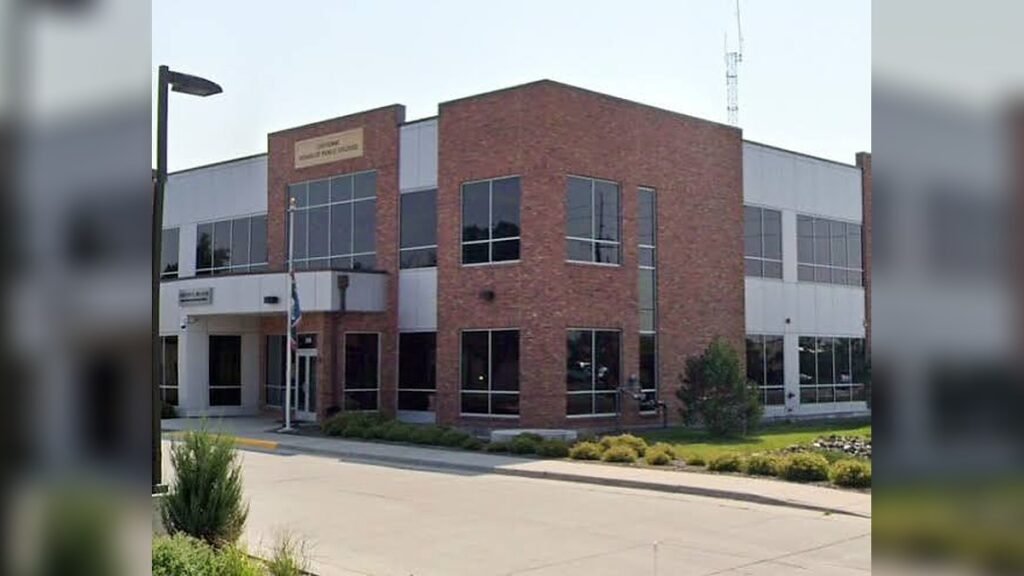
Officials in Cheyenne, Wyoming, have concluded that construction work on Meta’s massive new data center campus was responsible for contaminating part of the city’s reclaimed water system with a rare bacterium.
According to the city’s Board of Public Utilities (BOPU), the source of the contamination was traced to Goat Systems LLC, a contractor working on Meta’s 715,000-square-foot facility that is currently under construction.
Authorities emphasized that the issue was limited to recycled water used for irrigation and did not affect the city’s drinking water supply.
Rare Bacterium Found During Routine Testing
The bacterium, identified as Cupriavidus gilardii, was discovered during regular monitoring of the city’s wastewater treatment system in February.
While the microorganism naturally exists in soil and water, health officials say infections linked to it are extremely uncommon.
However, it can present a greater risk to elderly individuals and people with weakened immune systems if they are directly exposed.
Following the discovery, Cheyenne immediately suspended its reclaimed water irrigation program while officials began investigating the source of the contamination.
City Takes Immediate Action to Prevent Further Risks
As part of its response, the Board of Public Utilities revoked Meta’s wastewater discharge privileges connected to the construction project.
The board also introduced new restrictions preventing industrial wastewater generated during fill-and-flush operations from entering the city’s system.
These procedures, commonly used during data center construction, involve circulating purified water through equipment before flushing it to remove debris and construction residue.
Officials also announced that wastewater from closed-loop cooling systems, another technology widely used in data centers, would no longer be accepted.




The board classified the incident as a case of “significant non-compliance” with federal wastewater pretreatment regulations.
Extensive Cleanup Effort Underway
City officials say they have spent the past several months carrying out an extensive cleanup operation to ensure the recycled water network is safe.
The remediation included draining and disinfecting the entire reclaimed water system, along with Prairie View Pond, in an effort to eliminate any remaining traces of the bacterium before irrigation services resume.
The Board of Public Utilities has indicated that additional information will be released during an upcoming public briefing.
Meta Says It Is Cooperating With Authorities
Meta says it is working alongside its general contractor, Fortis, to resolve the issue.
According to the company, Fortis immediately stopped releasing industrial wastewater into the city’s system after learning of the board’s findings and instead began transporting wastewater offsite for disposal.
Meta also stated that environmental testing commissioned by Fortis through an independent specialist did not detect the bacterium in the contractor’s own water samples.
The company reiterated its commitment to protecting local water resources and said it will continue cooperating with city officials until the matter is fully resolved.
Growing Concerns Over Data Center Expansion
The incident comes as communities across the United States continue to debate the environmental impact of rapidly expanding artificial intelligence infrastructure.
Large data centers require significant amounts of water and electricity, prompting concerns about resource consumption and potential environmental risks.
Recent public opinion surveys have shown that many Americans remain skeptical about new data center developments in their communities, with environmental issues—including water use, pollution and land impacts—ranking among the most frequently cited concerns.
Meta’s Major Investment in Wyoming
Meta announced plans for the Cheyenne campus in 2024, describing it as one of the company’s largest infrastructure investments.
The approximately $800 million project is expected to create more than 1,000 construction jobs during its busiest phase and around 100 permanent positions once operations begin.
The facility will become Meta’s 21st data center in the United States and its 25th worldwide. Cheyenne has emerged as a growing technology hub, hosting dozens of data centers thanks to its available land, energy infrastructure and workforce.
Company Maintains Environmental Commitments
Before construction began, Meta highlighted several environmental initiatives tied to the project, including investments aimed at strengthening the local power grid and supporting regional water restoration efforts.
Among those commitments is work with local partners to help restore Crow Creek, a project intended to improve water resources connected to Wyoming’s Ogallala Aquifer.
Despite the current contamination investigation, the company says it remains committed to being a responsible community partner while continuing construction on the Cheyenne data center.

