
The United Kingdom has temporarily withdrawn its remaining diplomatic personnel from Iran as hostilities between Tehran and Washington continue to escalate.
The move comes after nearly two weeks of sustained military exchanges that have heightened security concerns across the Middle East.
In an updated statement, the UK’s Foreign, Commonwealth and Development Office (FCDO) confirmed that embassy staff had been relocated because of the deteriorating security environment.
While personnel are no longer based in the country, the government said embassy operations would continue remotely.
Foreign Office Maintains Strong Travel Warning
British authorities also renewed their warning against all travel to Iran, stressing that the risks for UK nationals remain severe.
According to the FCDO, British citizens, including dual British-Iranian nationals, could face arrest, interrogation or prolonged detention.
The government urged travellers to avoid the country until conditions improve.
US Launches Another Wave of Military Strikes
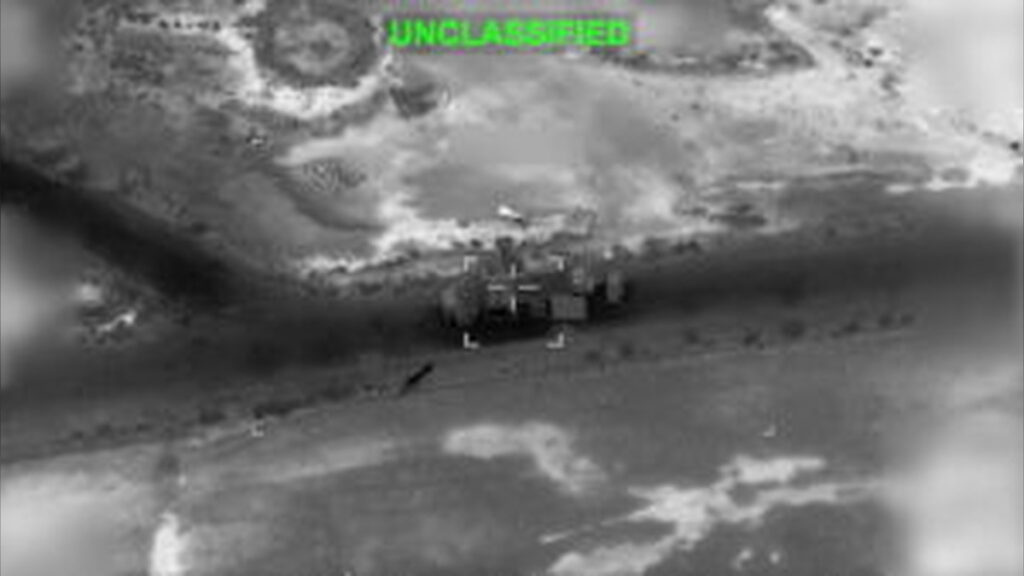
Meanwhile, the United States confirmed it carried out another round of military operations against Iran, marking the 12th consecutive night of strikes.
The US Central Command said the latest attacks were intended to further weaken Iran’s capacity to threaten commercial shipping and civilian vessels operating in regional waters.
The campaign is part of Washington’s broader effort to secure vital maritime routes amid rising tensions in the Gulf.




Iranian state media reported explosions near the western cities of Ahvaz, Ramshir and Andimeshk following the strikes.
Gulf States Report Fresh Security Threats
The conflict is increasingly affecting neighbouring countries as regional security concerns mount.
Kuwait’s military announced that its air defence systems had intercepted hostile drones, describing the incident as a response to what it called Iranian aggression.
Alerts have also been triggered in several Gulf nations as fears grow that the confrontation could spread beyond Iran’s borders.
Trump Issues Warning Over Strait of Hormuz
US President Donald Trump reinforced Washington’s hardline position by warning Tehran against disrupting shipping through the Strait of Hormuz.
He declared that every Iranian attack on commercial vessels in the strategic waterway would be met with retaliation, including strikes on critical infrastructure such as bridges or power facilities.
The Strait of Hormuz remains one of the world’s most important energy corridors, making any disruption a major concern for global markets.
Iran Promises Forceful Retaliation
Iranian Foreign Minister Seyed Abbas Araghchi responded by insisting Tehran would answer any attack with equal force.
In a message shared on social media, Araghchi said Iran would adopt an “eye for an eye” policy, warning that any strike on the country’s infrastructure would trigger what he described as a powerful and decisive response.
His remarks underscored Tehran’s determination to continue responding militarily as the confrontation with the United States deepens.
Missile Attacks Expand Regional Crisis
The previous night of fighting saw Iranian air defence systems activated over Tehran while missile attacks extended beyond Iran’s borders.
Iran launched missiles toward a city in Jordan, while emergency alerts sounded across Bahrain and Saudi Arabia, reflecting growing fears that the conflict is drawing more countries into the crisis.
Iran has also targeted energy facilities and desalination plants in neighbouring Gulf states, infrastructure that supplies drinking water to millions of people.
International Concerns Over Civilian Infrastructure
The attacks on civilian infrastructure have drawn renewed attention to international humanitarian law.
Legal experts note that international law generally prohibits strikes against facilities such as water and energy infrastructure unless they are being used for military purposes.
With both sides continuing military operations and diplomatic efforts showing little progress, concerns remain high that the conflict could further destabilise the region and threaten critical global trade routes.

