
Japan has approved one of the most significant changes to its imperial system in decades as lawmakers attempt to safeguard the future of the world’s oldest continuous hereditary monarchy.
The reforms are designed to ease mounting concerns over the shrinking number of eligible royal family members, but they stop short of changing the long-standing rule that prevents women from inheriting the throne.
The newly passed legislation allows the Imperial Family to adopt distant male relatives who are at least 15 years old, bringing them back into the royal household after generations outside the line of succession.
The measure also allows female royals to retain their imperial status after marrying commoners, reversing a rule that had steadily reduced the family’s size.
Princess Aiko Still Excluded From the Throne
Despite the changes, Emperor Naruhito’s only child, 24-year-old Princess Aiko, remains barred from becoming Japan’s future monarch.
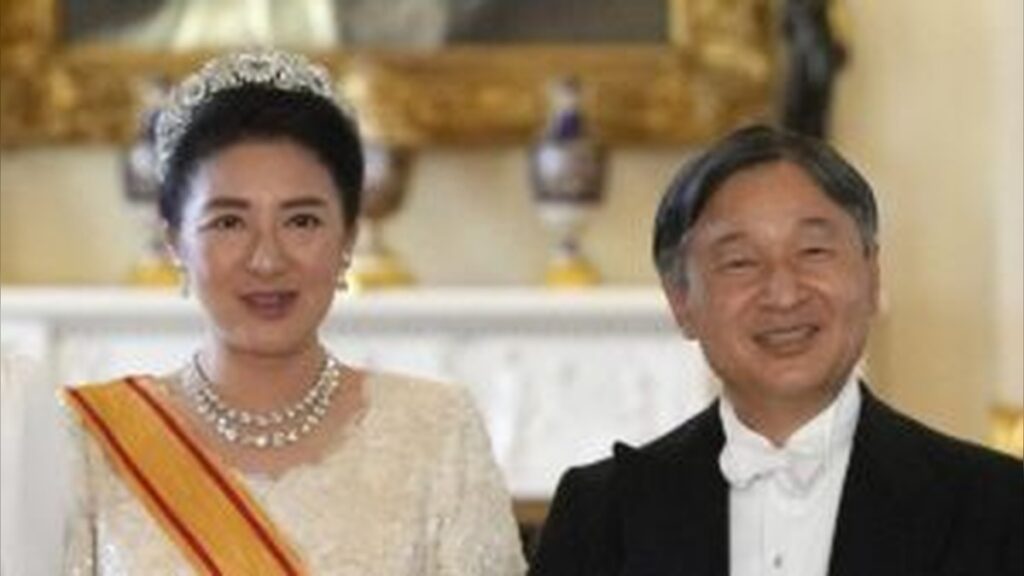
Naruhito, now 66, and Empress Masako, 62, welcomed Aiko in 2001 after undergoing fertility treatment.
Although she has become one of the most recognizable members of the Imperial Family, existing succession laws continue to recognize only male heirs.
The decision means that, despite widespread public discussions over reform in recent years, Japan’s male-only succession tradition remains firmly in place.
Few Eligible Heirs Leave Monarchy Facing Uncertain Future
The succession issue has become increasingly urgent because the Imperial Family has very few eligible male descendants.
At present, Crown Prince Fumihito, the emperor’s younger brother, is first in line to the Chrysanthemum Throne.
He is followed by his 19-year-old son, Prince Hisahito, while the third eligible successor is Prince Hitachi, Emperor Naruhito’s uncle, who is already in his 90s.
The imbalance has grown over several generations as female births have significantly outnumbered male births.
At the same time, the royal household has continued to age, with many senior members now over the age of 60.
Former Imperial Branches Could Strengthen the Dynasty
Under the revised law, male descendants from 11 former imperial branches that were removed from the royal family after the Second World War can be adopted back into the household once the legislation formally takes effect.




The reform represents the first amendment to the core text of Japan’s Imperial House Law since 1949 and is regarded as the most extensive modernization of the imperial framework in decades.
Supporters argue the measure offers a practical way to preserve the monarchy without altering centuries-old succession customs.
Married Princesses No Longer Forced to Leave Royal Life
Another major change affects female members of the Imperial Family who marry outside the nobility.
Previously, women automatically lost their royal status after marrying commoners, a rule that steadily reduced the number of working royals.
The updated legislation allows them to keep their titles and continue carrying out official duties even after marriage.
The move is viewed as an effort to strengthen the family’s public role while easing pressure on its shrinking number of active members.
Princess Mako’s Departure Became a Symbol of the Problem
The previous rules were most famously illustrated by Princess Mako, Emperor Naruhito’s niece.
After announcing her engagement to university classmate Kei Komuro in 2017, Mako became the focus of intense public attention.
The couple married in October 2021 in a deliberately modest ceremony that lacked the elaborate celebrations usually associated with Japanese royal weddings.
Because of the law at the time, Mako gave up her royal title upon marriage.
She also declined the financial settlement traditionally offered to departing female royals, becoming the first member of the Imperial Family since the Second World War to refuse the payment.
The couple later relocated to New York, where Komuro works as a lawyer, and Mako now lives as a private citizen.
Princess Aiko Continues a Life of Duty
Unlike her cousin, Princess Aiko remains within the Imperial Family and balances public engagements with her work in the Youth and Volunteer Division of the Japanese Red Cross Society.
She resides with Emperor Naruhito and Empress Masako at the Imperial Palace in Tokyo.
Like other members of the Imperial Family, her public life is tightly regulated, with restrictions extending to political activity and even voting.
Although she is unable to inherit the throne under current law, Aiko continues to play an increasingly visible role in representing the monarchy at official events.
Tradition Continues to Shape Japan’s Imperial Future
Japan’s Imperial Family traces its lineage back more than two thousand years, with official tradition recognizing Emperor Jimmu as the dynasty’s founding ruler.
While many constitutional monarchies in Europe have adopted gender-neutral succession rules, Japan continues to preserve an exclusively male line of inheritance.
Supporters of the current system, including influential conservatives within the ruling Liberal Democratic Party, argue that maintaining an uninterrupted male succession is central to protecting the monarchy’s historical identity.
The latest reforms may ease the immediate succession concerns by expanding the pool of male royals and allowing princesses to remain in the family after marriage, but they leave unresolved the debate over whether women should one day be permitted to ascend Japan’s imperial throne.

