
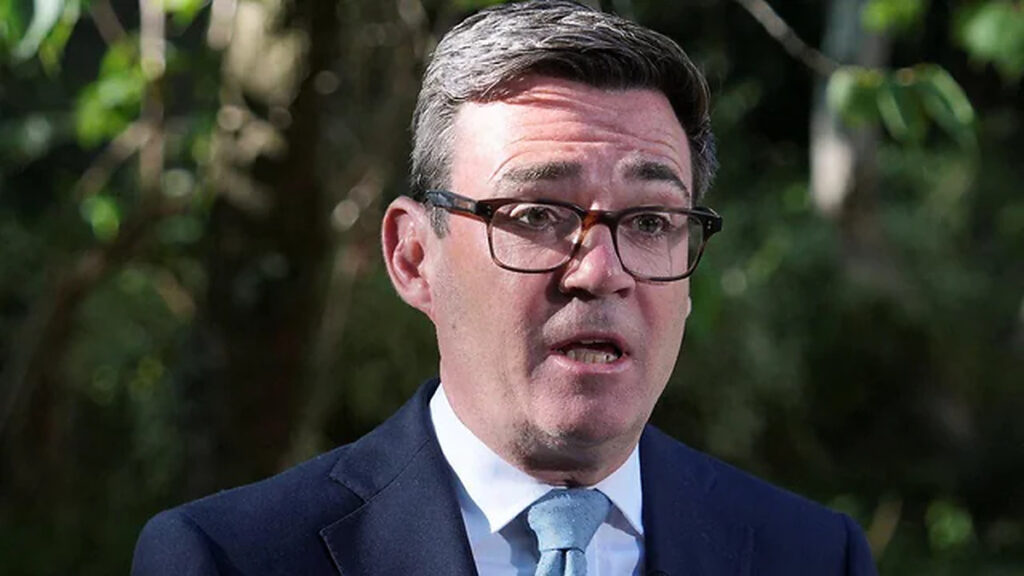
Andy Burnham is expected to press ahead with plans to distribute asylum seekers more widely across the country, including wealthier communities, even if the approach ultimately costs taxpayers more.
The Prime Minister has argued that asylum accommodation should not remain concentrated in the country’s poorest areas, saying communities across the UK should share responsibility for housing people receiving asylum support.
Government Considers Higher Housing Cost Limits
The Home Office is reportedly examining whether to increase rent limits imposed on private-sector contractors providing accommodation for asylum seekers.
The current caps, which are linked to rental values in different parts of the country, can make more expensive properties in affluent areas less attractive to contractors.
Increasing those limits could therefore open up higher-cost properties and allow asylum seekers to be placed in more expensive postcodes.
A Downing Street source said Burnham regarded changing the distribution system as a matter of principle, while acknowledging that a fairer approach could require additional public spending.
Nearly 100,000 People Receive Asylum Support
Home Office figures show that 97,519 people were receiving asylum support at the end of March.
Of that total, 20,885 people were housed in hotels, while 3,866 received subsistence-only support, meaning they were provided with weekly financial assistance for basic necessities including food, clothing and toiletries.
A further 72,768 people were living in other forms of accommodation, including dispersal housing typically consisting of flats, houses or properties converted into houses in multiple occupation.
Wealthier Areas Among Those Yet to Receive Dispersed Asylum Seekers
Analysis cited by the Daily Mail identified 17 local authority areas where no taxpayer-supported asylum seekers were currently accommodated.
The areas include the Cotswolds, Derbyshire Dales, Malvern Hills, the New Forest and the Scottish Highlands, highlighting the uneven distribution of asylum accommodation across the country.
Burnham has argued that this imbalance should be addressed rather than leaving communities with lower property costs to shoulder a disproportionate share of the responsibility.
Bicester Proposal Fuels Local Opposition
The debate has intensified around plans to use a former military site in Bicester, Oxfordshire, to accommodate as many as 1,250 male asylum seekers.




The proposal has triggered strong opposition from nearby residents.
In Piddington, a small village with a population of roughly 400, residents voted to stage a symbolic referendum on leaving the UK as part of their protest against the planned accommodation.
The controversy has added political pressure over how asylum seekers should be distributed and how much local communities should be expected to accommodate.
Minister Defends a More Balanced System
Borders minister Anna Turley defended the Government’s approach, arguing that the country needs a fairer and more equitable system for distributing asylum seekers.
She pointed to areas such as Blackpool, where lower property prices have made them more common destinations for asylum accommodation.
According to Turley, communities in such locations have already carried a substantial burden, contributing to tensions and what she described as genuine civil unrest.
The argument from ministers is that spreading accommodation more evenly could prevent a small number of communities from continuing to bear most of the pressure.
Conservatives Accuse Government of Wasting Taxpayer Money
The proposals have prompted criticism from Conservative MPs, who argue that accommodation decisions should prioritise value for money.
Dame Harriett Baldwin, whose West Worcestershire constituency includes the Malvern Hills, said residents would not welcome thousands of male asylum seekers being placed in mass accommodation, particularly when suitable facilities do not exist locally.
Joe Robertson, Conservative MP for Isle of Wight East, similarly argued that accommodation should be located where it is most cost-effective for taxpayers.
He accused the Government of potentially making political choices that would increase public expenditure.
Government Points to Falling Hotel Use
The Government has insisted that the wider asylum accommodation strategy is already reducing costs and dependence on hotels.
A Government spokesman said ministers were working to close all asylum hotels and move people into more basic forms of accommodation.
The number of asylum seekers staying in hotels has reportedly fallen by 35 per cent over the past year and by 63 per cent from its peak in 2023.
The Government also says overall asylum-related costs have fallen by £1 billion since the general election.
Dispute Centers on Cost Versus Fairness
The emerging dispute places two competing priorities at the centre of the asylum accommodation debate: reducing costs for taxpayers and distributing responsibility more evenly between communities.
Burnham’s position is that a system cannot be considered fair if areas with cheaper housing continue to accommodate a disproportionate number of asylum seekers simply because they offer lower costs.
Opponents, however, argue that deliberately expanding accommodation into more expensive areas could increase the burden on taxpayers without necessarily resolving the wider pressures surrounding the asylum system.
The Government says it is working with local authorities and listening to community concerns while attempting to create a more balanced national distribution of asylum accommodation.
